Beginner guitars
The most-bought first instrument and the one most often bought wrong. Here is what fails, what is enough, and where the money stops mattering.
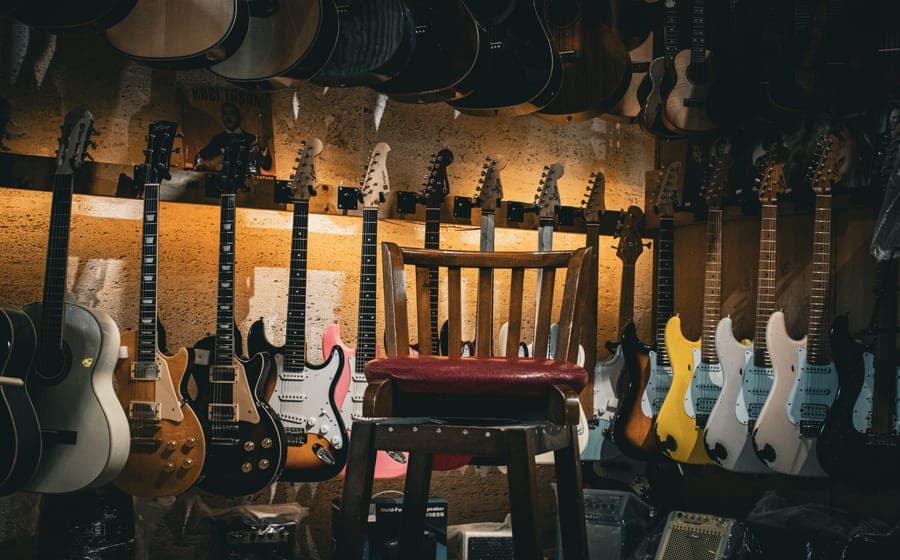
Everything in guitars
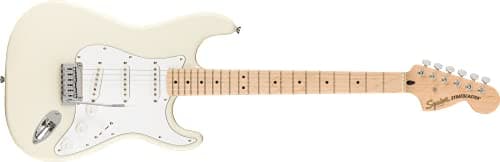
Picks
Best beginner electric guitars: what's worth it from $150 to $400
Segmented by player and price band, with the three specs that actually decide whether a first electric survives its first year.

Picks
Best beginner acoustic guitars: solid tops from $200 to $350
Solid versus laminate tops, the dreadnought body-size problem, and picks for adults and children separately.
Picks
Best beginner guitars: one pick each for adults, teens and kids
Acoustic and electric in one place, segmented by player rather than price, with a single clear pick for each situation.
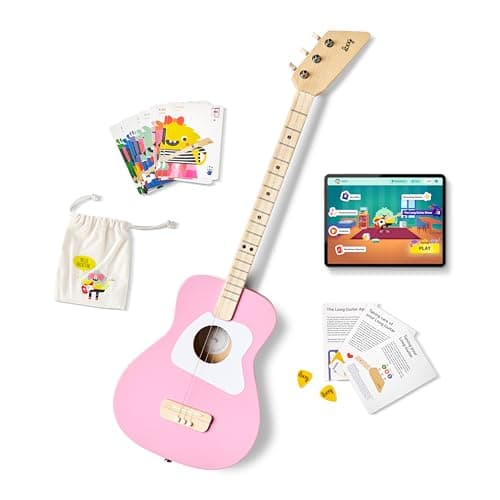
Picks
Best guitars for kids: sized by reach, not by age
Segmented by age band with real scale lengths and body dimensions, plus why buying big to grow into reliably backfires.
Comparison
Acoustic vs electric guitar for beginners
The physical difference is real but small. The cost difference is larger than most people expect. Buy CTAs for both answers.
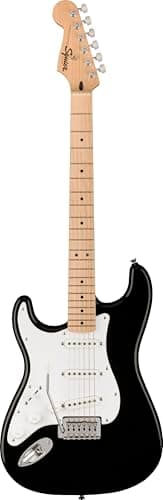
Comparison
Squier vs Epiphone vs Yamaha for a first guitar
Fender, Gibson and Yamaha lineages compared on the specs that differ: scale length, pickups, fingerboard radius.
Guide
How much should a beginner guitar cost?
Four price bands defined by specification rather than by number, plus the hidden costs that turn a $200 budget into a $270 purchase.
Guide
Are cheap guitars worth it?
The line between cheap and too cheap, named part by part, with what each failure does to a beginner who cannot diagnose it.
Guide
What size guitar does a child need?
Age and height chart with real scale lengths, the ten-second fit check, and why height beats age every time.
Picks
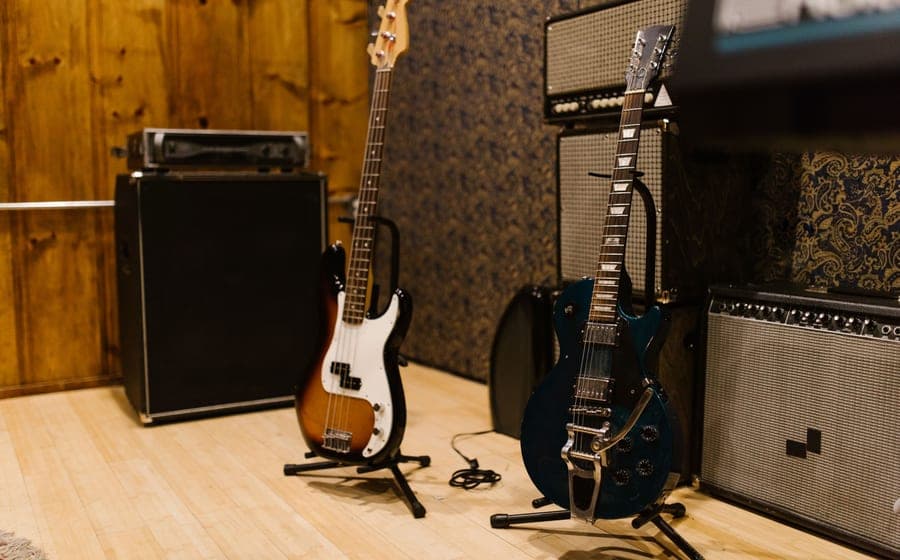
Best beginner bass guitars
Why a bass is not a big guitar, the two picks worth considering, and the amplifier cost nobody budgets for.
Picks
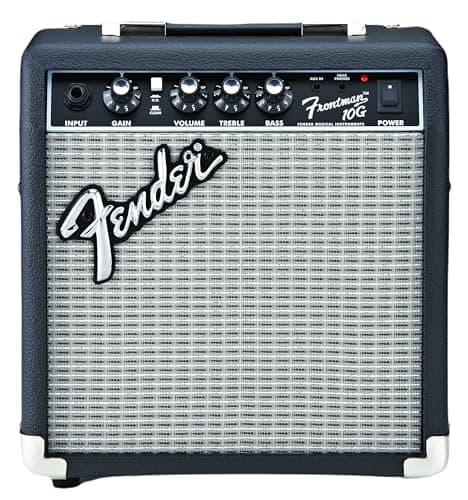
Best beginner guitar amps
Why the headphone socket outranks wattage, two picks, and the honest limits of a practice amp.
Picks
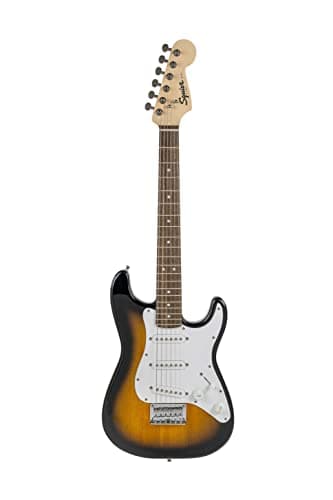
Best guitars for small hands
Scale length and nut width explained as a reach problem, with picks for adults with small hands and for children.
Picks
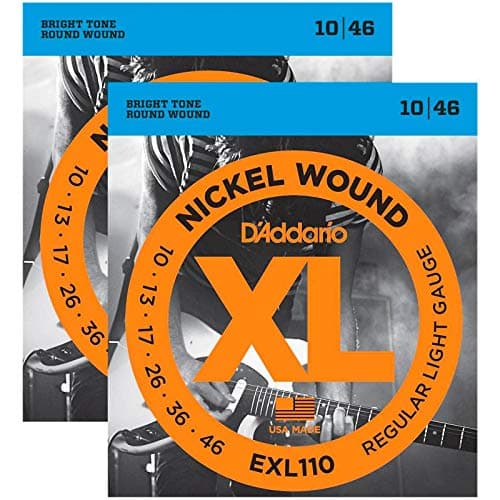
Best beginner guitar strings
Why gauge outranks brand, the default set for electric and acoustic, and when going lighter actually helps.
Guide
How to change guitar strings
The full sequence for electric and acoustic, the three common mistakes, and why new strings drift for a day.
Guide
How long does it take to learn guitar?
Milestones by practice hours rather than months, what gates each phase, and why the first three weeks matter most.
Guide
Are guitar starter packs worth it?
Which pack contents hold up, which get replaced within a month, and the four-item alternative that costs about the same.
Comparison
Guitar or bass for a first instrument?
Which one is genuinely easier, why bassists get into bands faster, and the physical differences that decide it for small hands.
Guide
Guitar maintenance a beginner actually needs
The four jobs that matter, the humidity problem that ruins acoustics, and an honest list of what you can safely ignore.
Guide
Why the guitar hurts your fingers
Normal callus pain versus a badly set-up guitar, the four adjustments that reduce effort, and when to stop rather than push through.
Guide
Do you need an amp to learn electric guitar?
What playing unplugged hides, when an amp becomes necessary, and three silent routes for players who cannot make noise.

Picks
Best guitars for adult beginners
Why adults should skip the entry tier, four picks covering electric and acoustic, and the body size question nobody warns adults about.
Guide
Guitar body shapes, and which one fits you
What dreadnought, concert, parlor and jumbo actually change, and how to pick a shape by your body rather than by the sound.
Guide
Guitar pickups, explained without the jargon
Single-coils versus humbuckers, what the hum actually is, and how to read SSS, HSS and HH against the music you listen to.
Comparison
Solid top or laminate for a first acoustic?
What a solid top does that a laminate cannot, when laminate is the smarter buy, and how to tell which one you are looking at.
Guide
Guitar scale length, and why it matters
What scale length is, how 25.5 and 24.75 inches actually feel different, and why it matters more than body size for smaller hands.
Guide
Left-handed guitars for beginners
Left-handed versus learning right-handed, why flipping a right-handed guitar rarely works, and what is actually available.
Guide
What a guitar setup actually is
The four adjustments in a setup, why budget guitars need one most, and which parts of it a beginner can safely do at home.
Guide
Guitar amp settings, explained
What each control does, a neutral starting point to dial in from, and the three settings that cover most beginner playing.
Picks
Best classical guitars for beginners
Why nylon strings suit sore fingers, why a 52 mm nut suits nobody with small hands, and the two classical guitars worth a beginner's money.
Picks
Best travel guitars
Scale length versus body volume, why laminate is a feature on a travel guitar, and three picks from carry-anywhere to sounds-like-a-real-guitar.
Picks
Best acoustic-electric guitars for beginners
When onboard electronics earn their premium, which preamp controls matter, and two picks with genuinely different voices.

Picks
Best nylon-string guitars for kids
Why nylon beats steel for young hands, the neck-width catch nobody mentions, and three picks across ages five to eleven.
Picks
Best guitar and amp pairings for beginners
Three complete first rigs matched to what you want to play, plus where to spend first when the budget only stretches to one of them.
Picks
Best guitars for fingerstyle beginners
Why string spacing and top responsiveness decide a fingerstyle guitar, and three picks covering nylon, warm steel and bright steel.
Guide
Best beginner guitar brands
What each major beginner brand is genuinely good at, across acoustic, electric, classical and kids' guitars, and how much brand actually tells you.
Guide
How to buy your first guitar
The order to decide in, the four specifications that decide whether a cheap guitar is playable, and what to check before you pay.
Picks
Guitar accessories you actually need
The four accessories that change how a beginner's guitar plays, the ones that can wait, and the ones that are pure margin.
Picks
Best guitars for teenagers
Why body size matters more than scale length at this age, what a teenager should be able to grow into, and the guitars we would buy.
Guide
Is guitar hard to learn?
Where the difficulty actually sits, the milestone that most people quit just before, and how much of it a setup removes.
Picks
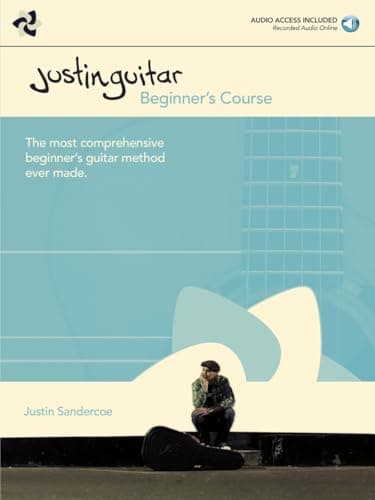
Best guitar books for beginners
The one decision that matters (chords first or reading first), five things to check on any method book, and seven picks with their weaknesses stated.
Guide
How to check a used guitar before you buy
The ten-minute inspection, what is cheap to fix versus what ends the conversation, and how to buy without playing a note.
Picks
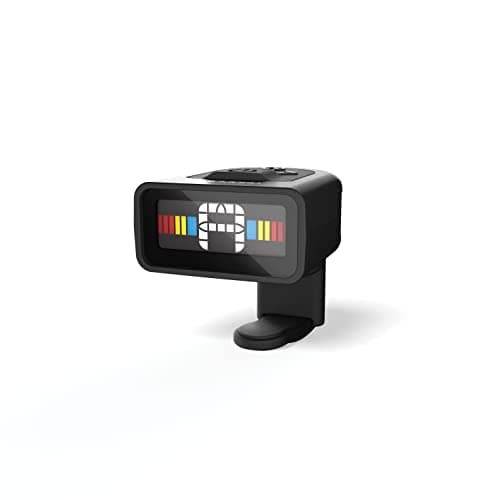
Best clip-on tuners for beginners
Why a clip-on beats a phone app, the four specs that separate them, and three tuners for guitar, ukulele and band instruments.
Picks
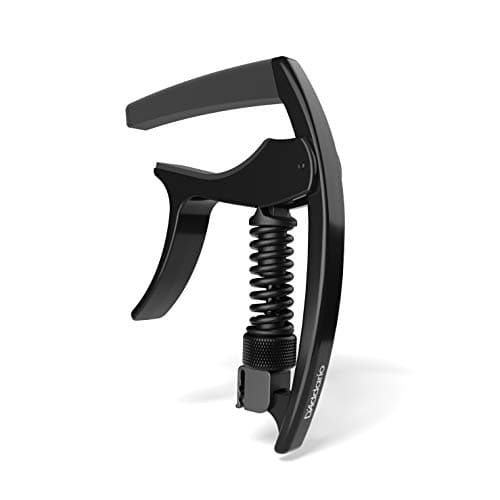
Best guitar capos for beginners
What a capo is for, the three clamping designs, why over-clamping pulls chords sharp, and three picks with honest trade-offs.
Picks
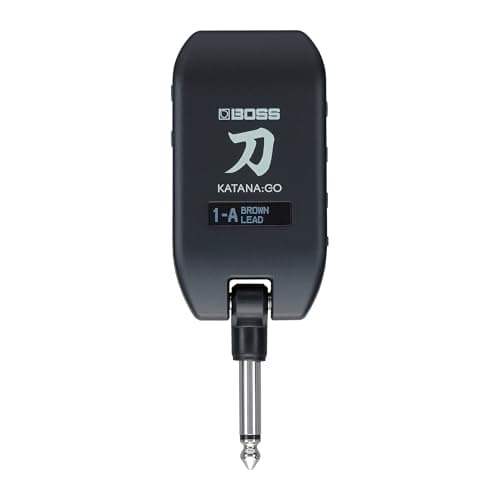
Best headphone amps for guitar
How a headphone amp differs from a practice amp, what to check before buying, and three picks for silent practice at home.
Picks
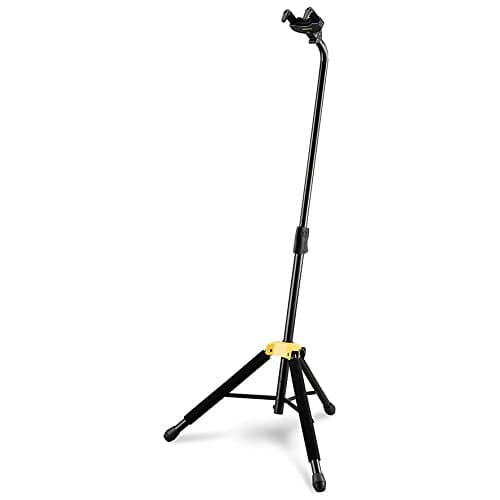
Best guitar stands and wall hangers
Why a stand raises practice time, the finish-safety question nobody covers, and four picks across floor stands, wall hangers and racks.
Comparison
Squier Sonic vs Affinity Stratocaster
What the Affinity adds over the Sonic, what stays exactly the same, and which one to buy for a first electric.
Comparison
Yamaha FG800 vs Fender CD-60S
Solid tops on both, different necks and bracing. Which one suits smaller hands, and which one grows into a better instrument.
Comparison
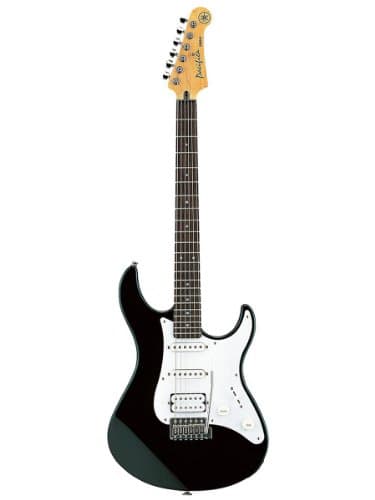
Yamaha Pacifica vs Squier Stratocaster
HSS against SSS, 22 frets against 21, and a flatter fingerboard. Which layout suits rock, and which suits everything else.
Comparison
Taylor GS Mini vs Little Martin
Scaled-down against designed-small, solid tops against HPL, and which one actually survives being carried around.
Comparison
Yamaha C40 vs Cordoba C5
Same 650 mm scale and 52 mm nut on both. What a solid cedar top and bone nut actually buy, and when the C40 is enough.
Comparison
Fender Frontman 10G vs Boss Katana Mini
Headphones and mains power against battery power and three amp voices. The one spec that decides it for apartment players.
Comparison
Squier Affinity P Bass vs Yamaha TRBX174
PJ pickups on both, 24 frets against 20, and different fingerboard radii. Which first bass suits which player.
Picks
Best guitars for worship and church players
Why acoustic-electric is the default, what onboard electronics actually need to do, and three guitars that suit a church stage.
Picks
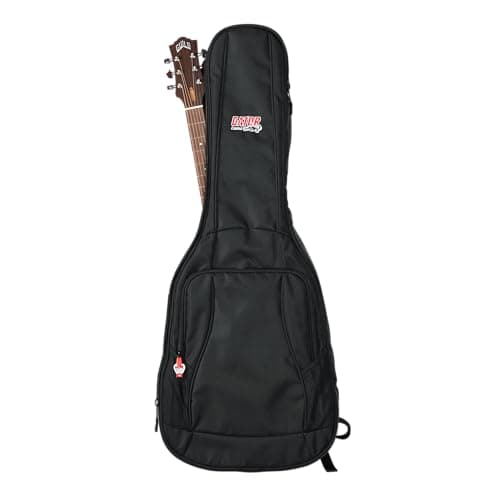
Best guitar cases and gig bags for beginners
Padding depth in millimeters, interior dimensions that tell you whether your guitar fits, and five cases across acoustic, electric and hard-case duty.
Picks
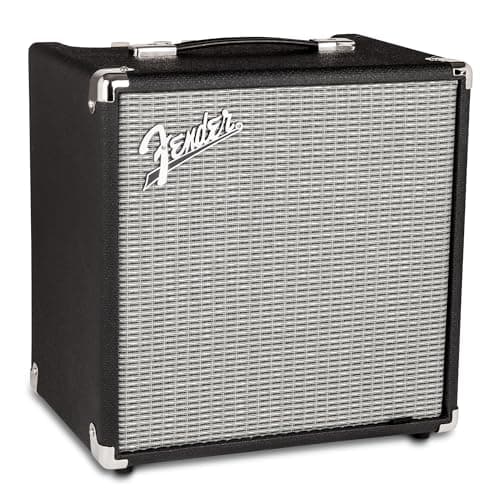
Best bass amps for beginners
Why an eight-inch speaker is the floor for bass and a six-inch one is not, what the jump to ten inches actually buys, and three Fender Rumble combos on published specifications.
Picks
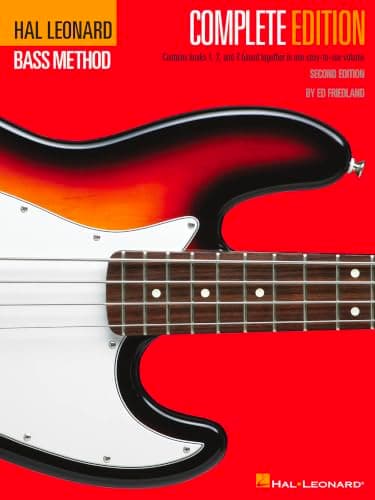
Best bass guitar books for beginners
The method, the guide and the exercise book are three different products. Which one teaches, which one explains, which one is useless bought first, and what each publisher actually prints.
Top pick: Hal Leonard Electric Bass Method, Complete Edition
$19.52 · View on Amazon#ad How we’re funded
Picks
Best gifts for guitar players
Strings and straps are the two gifts that go wrong, because both depend on specs of their specific guitar. Four that fit any guitar, ranked by how certain you can be.

Picks
Best guitar humidifiers
Solid top or laminate decides whether you need one at all. Two-way against refillable, why a sealed case is non-negotiable, and three humidifiers on published specifications.
The guitar is the most-bought first instrument and the most often bought wrong. Both facts have the same cause: a guitar looks simple, and the three specifications that decide whether it works are never on the front of the box.
The honest starter path for a guitar
What fails below the floor is tuning stability and correctable action. A guitar whose tuning machines drift, or whose plastic nut binds the string so tuning happens in jumps, cannot be kept in tune by a beginner — and a beginner cannot tell an out-of-tune guitar from their own bad fretting. So every chord that sounds wrong becomes evidence they have no ear. That confusion is the single most common way someone quits, and it is entirely a hardware problem.
Underneath that is the truss rod: an adjustable steel rod in the neck. A guitar with one can be set up and made good. A guitar without one plays however it plays, permanently. That is why our floor is defined by an adjustable neck rather than by a price.
What is enough is a solid top on an acoustic, or better fretwire and hardware on an electric. A solid spruce top is a single piece of wood rather than glued layers, and it keeps opening up over years of playing while a laminate sounds the same in year ten as on day one. It is the one acoustic specification worth paying up for, and the price of entry has fallen far enough that there is no longer a good reason for an adult to buy a laminate-top full-size acoustic.
Where overspending starts is around the point where you are paying for a nicer top wood, a better-finished fretboard and a more careful factory setup. All three are real. None is something a beginner can hear or feel in their first year. The reasoning band by band is in what a first guitar should cost.
Acoustic or electric
Electrics are physically easier — thinner strings, lower action, less hand strength needed in the first month. Acoustics are cheaper to complete, because there is no amplifier to fund. Both differences are real and both are smaller than whether the player wants the sound the instrument makes.
One thing most people get backwards: the electric is the quieter instrument for a household. An unplugged electric is barely audible, and through headphones it is silent. An acoustic has exactly one volume and it carries. If someone needs to practice at ten in the evening, the electric is the considerate choice by a wide margin. Full comparison in acoustic vs electric.
Sizing, if the player is a child
The most common mistake in this whole category is buying one size up so the child grows into it. It does not work, and the reason is arithmetic rather than opinion.
A first-position chord requires a hand to span three or four frets with the wrist at a workable angle. On a full 25.5 inch scale the frets near the nut are around 36 mm apart; on a 3/4 instrument at 22.75 inches they are around 32 mm. Across a four-fret stretch, for a hand that is itself two-thirds of adult size, that is the whole difference between reachable and not. Buy the size that fits now; used 3/4 guitars sell quickly because every family hits this. The table is in guitar sizes for kids.
The purchase almost nobody budgets for
A setup. Every guitar at this price leaves the factory adjusted to a safe average and then travels through a warehouse and a climate change to reach you. A setup adjusts the neck relief and the string height so the strings sit as low as they can without buzzing.
A well-set-up inexpensive guitar plays better than a badly-set-up expensive one, and it is not a close contest. It is the highest-return money in the entire purchase and almost nobody mentions it.
The words you will run into
- Scale length
- The vibrating length of the string, from nut to bridge. 25.5 inches on a Fender design, about 24.75 on a Gibson design, around 23 or less on a 3/4 instrument.
- Nut
- The slotted piece at the top of the fingerboard. Synthetic bone or graphite is slippery and lets a string tune smoothly; soft plastic binds and makes precise tuning impossible.
- Truss rod
- An adjustable steel rod inside the neck. It is what makes a guitar correctable; an instrument without one cannot be set up.
- Action
- The height of the strings above the frets. Lower action needs less finger force. High unadjustable action is the main reason cheap acoustics get abandoned.
- Solid top vs laminate
- A solid top is one piece of wood and keeps improving over years of playing. A laminate is glued layers and sounds the same forever.
- Humbucker vs single coil
- Pickup types. Single coils are bright and clear and pick up electrical hum. Humbuckers cancel the hum and sound thicker and warmer.
If this is not the right instrument
- Ukuleles →
Smaller hands, softer strings, and a real song in the first week. Start here instead if the guitar is a struggle.
- Keys →
Quieter to practice and the most transferable musical foundation.
- How we pick →
The method behind every recommendation here, including what we refuse to claim.