Beginner drum sets
Two problems no other instrument has: the player has to physically reach four things at once, and everyone in the building can hear it.
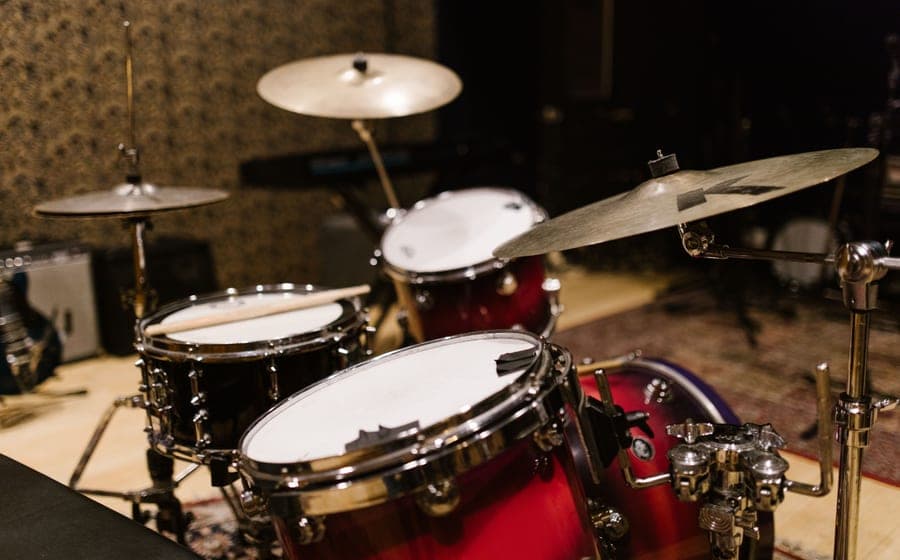
Everything in drums
Picks
Best beginner drum sets: complete kits for teens and adults
Complete acoustic and electronic kits for adult players, with the total-purchase problem and the noise question both addressed.
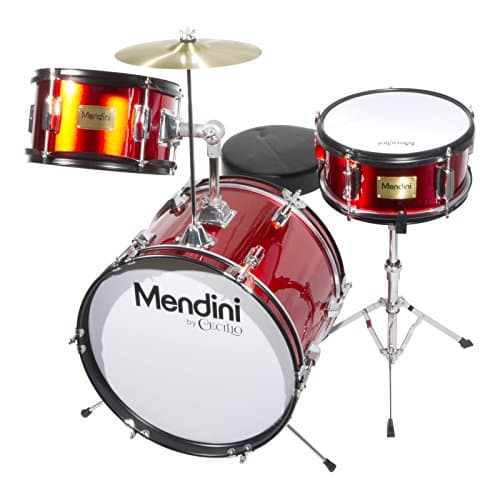
Picks
Best drum sets for kids
Picks by age band with real shell dimensions, plus the electronic option that makes a kids kit possible in an apartment.
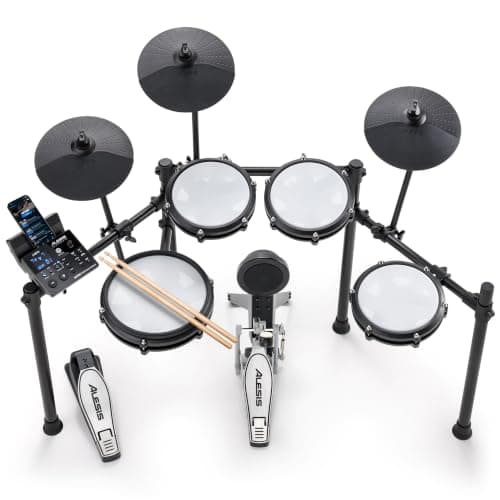
Picks
Best electronic drum sets for beginners
Mesh versus rubber pads, the kick-thump problem that headphones do not solve, and picks for adults and children.
Comparison
Acoustic vs electronic drums for beginners
Feel against practice hours, what transfers in each direction, and the building question that settles it. Buy paths for both.
Comparison
Drum kit or practice pad first?
What a pad genuinely teaches, what it cannot, and when starting on one is the right call rather than a compromise.
Guide
Drum set sizes by age
Bass drum diameter by age with a reach test, and the throne-height problem that no chart can capture.
Guide
How much should a beginner drum set cost?
Four bands defined by completeness and hardware quality, with the shells-only trap and the real running costs.
Guide
How loud are drums?
Measured decibel levels against the NIOSH limit, what travels through walls and floors, and which quieting options actually work.
Picks
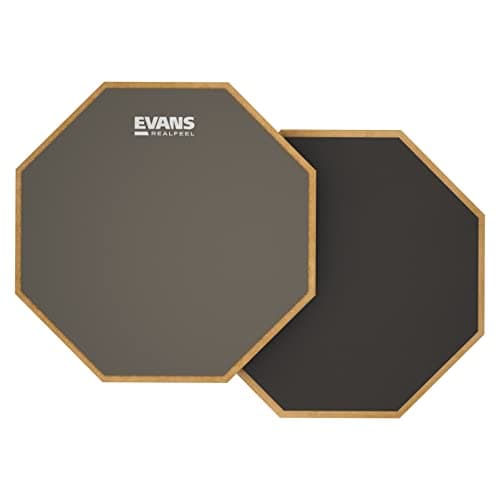
Best drum practice pads
Gum rubber versus neoprene, why 12 inches is the right size, and the honest limit of what pad practice builds.
Picks
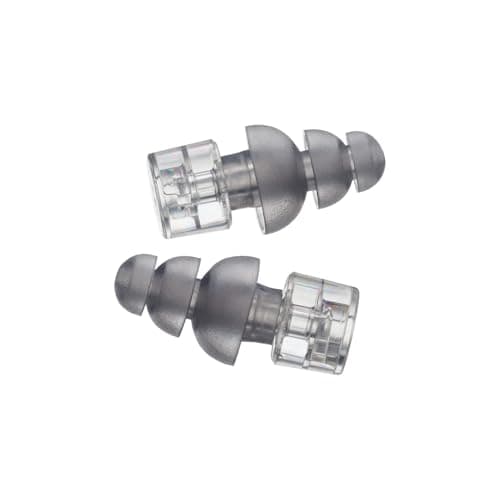
Best hearing protection for drummers
Why foam plugs are the wrong tool, filtered plugs versus isolation headphones, and what the exposure numbers actually say.
Guide
How to tune a drum set
The finger-tight starting method, what order to tune the kit in, and why a well-tuned cheap kit beats a badly tuned expensive one.
Guide
Drum accessories you actually need
Sticks, a pad, hearing protection and a throne, in priority order, plus the upgrades that genuinely change how a cheap kit sounds.
Guide
How to set up a drum set
Build order from the throne outward, the angles that prevent wrist and back trouble, and how an electronic rack differs.
Picks
Best drum sets for adult beginners
Full-size acoustic versus mesh-head electronic for an adult in a real house, and the pad-only route that costs almost nothing.
Guide
Drum rudiments a beginner should learn
The five rudiments that matter, what each one builds, and a practice routine that fits fifteen minutes on a pad.
Comparison
Mesh heads or rubber pads?
How mesh and rubber differ in rebound and struck noise, what tensioning does, and which kits use which.
Guide
Every part of a drum kit, explained
What every drum, cymbal and stand is for, which parts are the weak link on a budget kit, and what a five-piece actually means.
Guide
How to choose drum sticks
What the numbers and letters mean, which size suits which player, tip materials, and why sticks are a consumable.
Guide
What an electronic drum module actually does
Sounds, sensitivity, inputs and outputs decoded, plus the three module specs that genuinely affect how a kit plays.
Picks
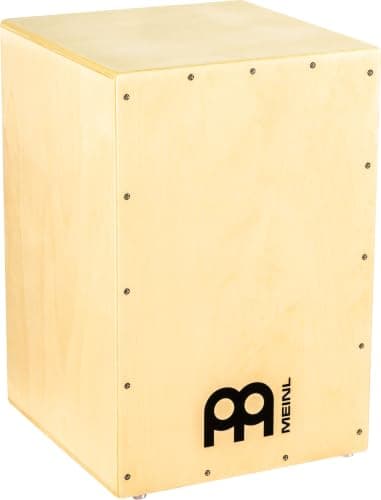
Best cajons for beginners
The four specs that separate a real cajon from a wooden box, three picks at different sizes, and an honest account of what a cajon cannot do.
Picks
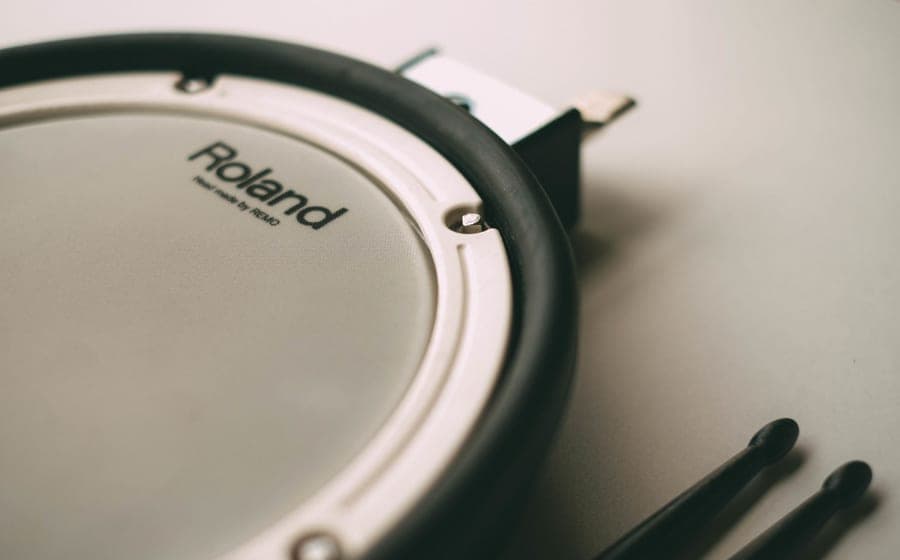
Best headphones for electronic drums
Why sticks on pads defeat ordinary headphones, isolation versus attenuation, and the hearing-safety trap of just turning it up.
Picks
Best first percussion instruments
Cajon, practice pad and junior kit compared on noise, cost, space and what each actually teaches.
Guide
Is drumming hard to learn?
Why the first beat is easy, what limb independence really demands, and an honest stage-by-stage timeline.
Guide
How long does it take to learn drums?
Milestone-by-milestone timeline from first beat to playing with a band, and the four variables that move it most.
Guide
How to soundproof a drum room
Airborne versus structure-borne sound, why acoustic foam is the classic wasted purchase, and what genuinely reduces what your neighbors hear.
Picks
Best drums for apartments and small homes
Airborne noise versus structure-borne noise, why mesh heads only solve one of them, and the three setups that work in a shared building.
Guide
Best drum brands for beginners
What Alesis, Pearl, Meinl, Evans and Mendini each do well at the beginner end, and why hardware and heads matter more than the shell badge.
Guide
How to buy your first drum set
The order to decide in, why the room comes before the player, and the parts that are missing from a kit that says it is complete.
Picks
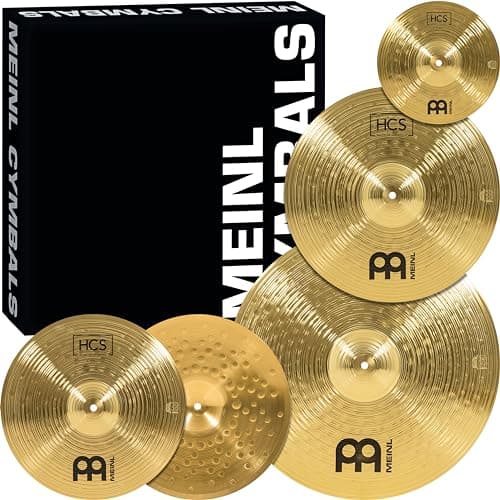
Best cymbal packs for beginners
Why starter cymbals get replaced first, what the makers themselves say about brass against bronze, and three packs with the alloys published.
Picks
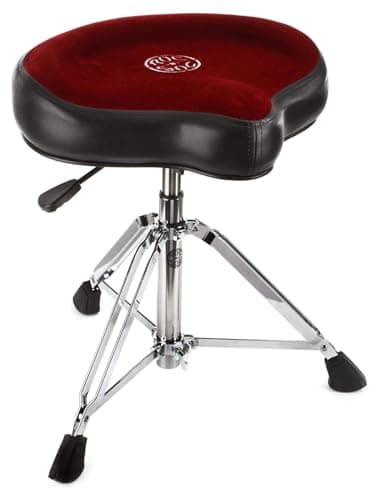
Best drum thrones for beginners
Why the included stool causes back pain, what height range and double bracing actually mean, and three thrones at three prices.
Comparison
Alesis Nitro Max vs Debut Kit
6 inch pads against 10 and 8 inch, 120 sounds against 440, and which kit a child outgrows.
Picks
Best drum sets for teenagers
Full-size acoustic against mesh-pad electronic, the noise conversation to have first, and three kits that suit a teenage player.
Picks
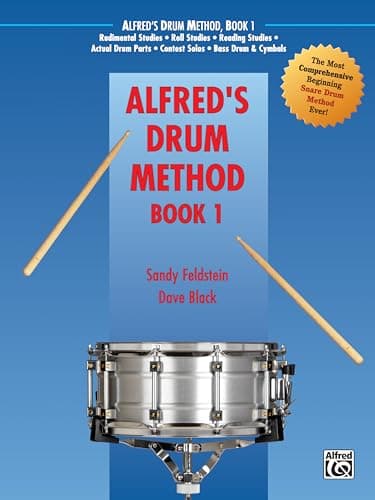
Best drum books for beginners
Snare method against drumset method is the whole first decision, and it is not printed on the cover in plain language. Four books on published contents, page counts and what each one leaves out.
Picks
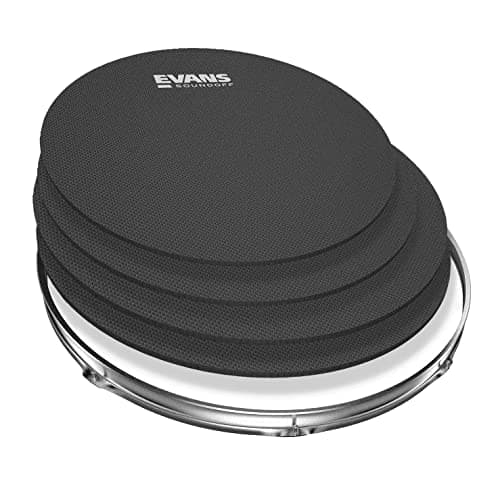
Best drum mutes and silencer pads
Pads sit on the heads, mesh heads replace them, and low-volume cymbals replace the loudest thing on the kit. What each one removes, what none of them touch, and four sets on published specifications.
Picks
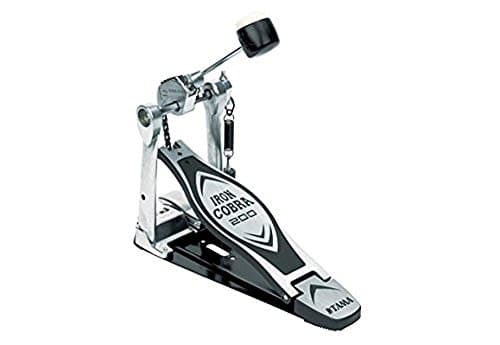
Best bass drum pedals for beginners
Squeaking, sliding and beater bounce are usually setup, not the pedal. What an offset cam and a steel base plate actually change, and four pedals on published specifications.
Picks
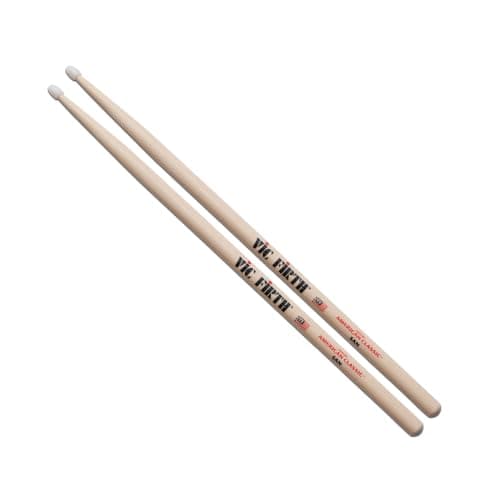
Best gifts for drummers
Sticks wear out, so they are never a duplicate. Hearing protection is the gift drummers skip for themselves. Four picks, and why a cymbal is the one to avoid.
Drums have two problems no other instrument has. The player has to physically reach four things at once, and everyone in the building can hear it. Both of those decide the purchase before any musical consideration does.
A drum kit is not one purchase
It is about fifteen. Shells, a hi-hat stand, a cymbal stand, a snare stand, a bass pedal, a throne and cymbals, at minimum. Bought separately those add up to more than an entry kit costs.
This matters because a listing can honestly describe a box of five shells as a “5-piece drum set,” and a beginner who buys one has bought furniture. Shell packs exist for drummers upgrading their shells who already own stands. The first question about any drum kit price is not whether it is good value; it is what is actually in the box.
The noise question, answered honestly
Published measurements put an acoustic kit well above the 85 dB level treated as the limit for prolonged exposure, with snare rimshots and cymbals considerably higher. There is no way to play an acoustic kit quietly. Muting it enough to be inaudible next door also makes it unrewarding to play, which matters, because a kit that is unrewarding gets played less.
So work out where the kit will live and when it will be played, and let that choose acoustic or electronic. Twenty minutes every evening beats two hours on a Saturday by a wide margin, and a kit that can only be used at weekends accumulates a fraction of the practice. The numbers, and which quieting options genuinely work, are in how loud are drums.
Two things follow. Hearing protection on an acoustic kit is required from the first session, not a later upgrade — musicians’ earplugs attenuate evenly so the kit still sounds like a kit. And if the building will not tolerate an acoustic kit, the answer is a mesh-head electronic kit, not a muted acoustic one.
The honest starter path for drums
Below the floor is a full-size acoustic kit at the very bottom of the market, or any electronic kit with rubber pads. Drums are one of the few instruments where the cheap version genuinely breaks rather than merely underperforming, because every part is being struck thousands of times per session: stands that sink under a cymbal, a pedal with a sloppy return, lugs that strip when the drum is tuned.
Rubber pads fail differently. They are louder in the room than mesh — a wooden stick on hard rubber makes a real clack — and they have almost no rebound, which is a problem because controlling stick rebound is the foundation of drum technique. A drummer who learns on rubber develops a stroke that does not work on a real drum.
The floor is a genuinely complete acoustic kit with four stands, a pedal, a throne and cymbals, or a mesh-head electronic kit with a headphone socket and a proper kick pedal. Enough adds double-braced stands, a better pedal and bronze cymbals rather than brass — and the cymbals are the upgrade that changes the experience most, because entry cymbals are the component drummers replace first. Bands in what a first drum set should cost.
Sizing, if the player is a child
The bass drum diameter is the number that matters, because it sets how far forward the pedal sits. A 22 inch drum puts the pedal six inches further from the throne than a 16 inch one, and six inches is a great deal of leg on a six-year-old.
Everything else on a kit adjusts. The pedal-to-throne distance does not, and throne height cannot rescue it — lowering the seat so their feet reach drops their hands below the snare, and raising it so their hands work lifts their feet off the pedals. There is no setting that solves both. Roughly, 16 inch kits suit ages 3 to 6, 18 to 20 inch kits suit 6 to 10, and full-size 22 inch kits suit 11 and up. The chart and the reach test are in drum set sizes by age.
The cheapest useful thing you can buy
A practice pad. Rubber, on a stand, essentially silent, and where a large share of early technique work happens. Every drum teacher assigns pad work, and it is the thing that lets a drummer practice hand technique at 9pm, in a hotel room, or in front of a television. It does not replace a kit — it cannot teach limb independence — and every kit owner worth taking advice from owns one.
The words you will run into
- 5-piece
- Five drums. It says nothing about hardware or cymbals, which is why a shells-only listing can honestly use the phrase.
- Hardware
- The stands, pedal and throne. Bought separately it costs more than an entry kit's shells, which is why completeness is the specification to compare.
- Mesh head
- A woven fabric drum head on an electronic pad. It rebounds like a real drum and is much quieter than rubber.
- Bearing edge
- The angled edge where the shell meets the head. A cleanly cut edge is what lets a drum be tuned at all.
- Limb independence
- Four limbs doing different things at once. The defining skill of kit drumming, and the one a practice pad cannot teach.
- Triple-flanged hoop
- A pressed steel rim with three bends for strength. Better than the flat pressed hoops on the cheapest kits.
If this is not the right instrument
- Keys →
If the noise problem turns out to be unsolvable, keys are silent with headphones.
- Guitars →
If the player wants to carry the instrument and play to people.
- How we pick →
The method behind every recommendation here, including what we refuse to claim.