Guitars
Best acoustic-electric guitars for beginners
Most beginners who buy an acoustic-electric never plug it in once. Here is how to work out in advance whether you are one of them.
By Sawyer V. · Published · Last updated
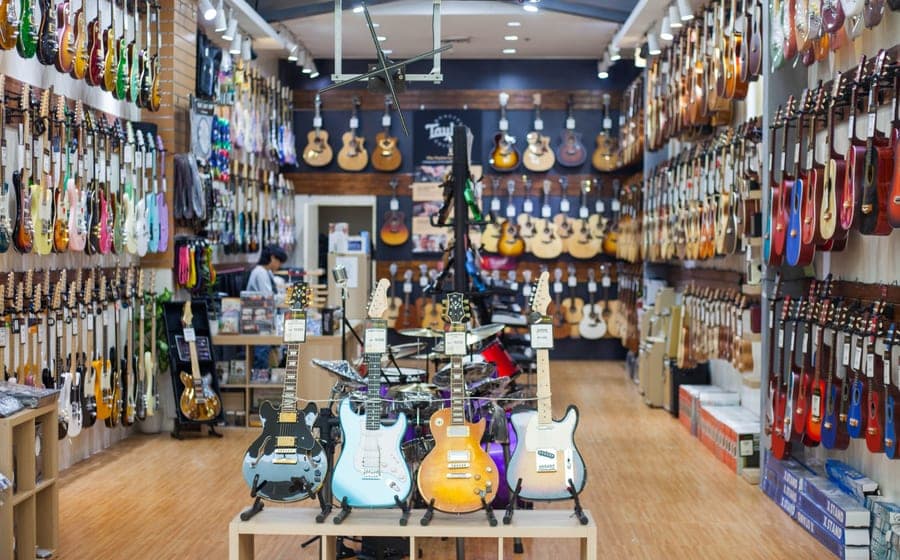
An acoustic-electric is an acoustic guitar with a pickup and a preamp built in. It costs more than the same guitar without them, and the great majority of beginners who buy one never once plug it into anything.
That is the whole decision, so it is worth making deliberately rather than by default because the shop had one in stock.
Both picks state their Starter Path band, and we have not physically tested either — the method is on how we pick. Specifications here come from named published spec comparisons, cited below.
Buy an acoustic-electric if you will play through a PA, record, or perform — open mics, church, a band. If the guitar will live in a bedroom, buy the better plain acoustic instead and add a clip-in soundhole pickup later if you ever need one.
When the electronics are worth it
You play with other people. An acoustic guitar loses instantly to a drum kit or an amplified bass. If there is any chance of that, a pickup is not a luxury.
You perform, even casually. Open mics, church groups, community events. Every one of those has a PA and expects you to have a socket.
You want a built-in tuner. A small point that turns out to matter. A tuner in the preamp is always there, always charged from the same battery, and cannot be left at home — and a beginner cannot tell an out-of-tune guitar from their own mistakes.
When it is not worth it: bedroom practice, learning chords, playing for yourself. The money is better spent on a solid top or on a setup.
The picks
The Yamaha FGX800C#ad is the FG800 platform with a cutaway and Yamaha’s System66 preamp. Solid Sitka spruce top — the specification that matters most on any acoustic — plus volume, three-band EQ, a mid-frequency Q control and an onboard tuner.
That mid-frequency control is the reason to choose it. An amplified acoustic in a room tends to develop a boxy honk somewhere in the mids, and a sweepable mid control is the one knob that fixes it. Very few guitars at this price have one.
Against it: the voice is brighter and less warm than the Fender, the cutaway costs a little unplugged volume, and the preamp runs on a battery that will die at the worst possible moment.
The Fender CD-60SCE#ad is the CD-60S with a cutaway and Fishman electronics. Solid spruce top with mahogany back and sides, which gives it a warmer, rounder voice than the Yamaha, and it inherits the easy-playing neck profile the CD-60S is known for — a genuine advantage in month one.
Against it: fewer preamp controls than the Yamaha, so less ability to fix a bad amplified sound; and that warmer voice can read as muddy through a cheap amplifier.
The cutaway question
Almost every acoustic-electric has a cutaway — the scoop that lets the fretting hand reach the highest frets. It is bundled with the electronics rather than chosen separately.
For a beginner it is close to irrelevant, because nothing in the first year happens above the twelfth fret. It costs a small amount of body volume and therefore a little bass. Do not pay extra for one and do not avoid a guitar that has one.
What you still need
A cable. Not usually included, and the guitar is an acoustic until you have one.
Spare batteries. Preamps run on a 9V or on AAs depending on the system. They always die mid-song.
Somewhere to plug in. An acoustic guitar does not want a guitar amp — a guitar amp is voiced to color the sound, which is the opposite of what an acoustic needs. A PA, a small keyboard amp, or a dedicated acoustic amp is the right target. This is a genuinely different question from the electric-guitar one in do you need an amp to learn electric guitar.
If none of that applies to you yet, the plain acoustic picks are in best beginner acoustic guitars and they are the better buy.
Quick picks
Best onboard electronics
Solid Sitka spruce and a preamp with a three-band EQ, a mid-frequency control and a built-in tuner. The controls a beginner actually uses.
| # | Product | Best for | Score | Price |
|---|---|---|---|---|
| 1 | No image Yamaha FGX800CThe FG800 with a cutaway and Yamaha's System66 preamp bolted in. | Best onboard electronicsEnough | 8.8 | Check price on Amazon → #ad How we’re funded |
Warmer voice, easier neck
Mahogany back and sides and the easy-playing neck the CD-60S is known for. The better guitar if it spends most of its life unplugged.
| # | Product | Best for | Score | Price |
|---|---|---|---|---|
| 1 | No image Fender CD-60SCEThe CD-60S with a cutaway and Fishman electronics. | Warmer voice, easier neckEnough | 8.5 | Check price on Amazon → #ad How we’re funded |
The picks in full
Yamaha FGX800C
YamahaBest for: Best onboard electronics
The FG800 with a cutaway and Yamaha's System66 preamp bolted in. The onboard tuner and three-band EQ are the parts a beginner actually uses, and they are better here than at any comparable price.
Published specifications
- Top:
- Solid Sitka spruce
- Scale length:
- 25.6"
- Electronics:
- System66 preamp with SRT pickup
- Preamp controls:
- Volume, 3-band EQ, mid-frequency Q control, onboard tuner
- Body:
- Dreadnought with cutaway
What it gets right
- Solid Sitka spruce top — the specification that matters most on any acoustic, present here
- Onboard tuner means the guitar tunes itself without a clip-on, which beginners genuinely use
- Mid-frequency Q control is unusual at this price and is the knob that fixes a boxy amplified sound
- Same well-regarded FG platform as the acoustic-only FG800
Where it gives ground
- Slightly brighter and less warm than the Fender, which not everyone prefers
- The cutaway removes a little body volume when played unplugged
- Preamp runs on a battery that will die at the worst moment
- More guitar than a player who never plugs in actually needs
What it is not good at
A player who will never amplify it. If the guitar lives in a bedroom and never leaves, the plain FG800 is the same instrument without a battery compartment or a preamp to pay for.
How the specs score against a beginner’s needs
Scores are our reading of the published specifications above against what a beginner physically needs. They are not test results — we have not played this instrument.
Specifications from ReviewFinder — Fender CD-60SCE vs Yamaha FGX800C published comparison, ScoreGuitar — Fender CD-60SCE vs Yamaha FGX800C spec comparison.
Fender CD-60SCE
FenderBest for: Warmer voice, easier neck
The CD-60S with a cutaway and Fishman electronics. Mahogany back and sides give it a warmer, rounder voice than the Yamaha, and it inherits the easy-to-play neck the CD-60S is known for.
Published specifications
- Top:
- Solid spruce
- Back and sides:
- Mahogany
- Electronics:
- Fishman
- Body:
- Dreadnought with cutaway
- Scale length:
- 25.3"
What it gets right
- Mahogany back and sides produce a warmer, rounder tone than the Yamaha's brighter voice
- Solid spruce top
- Inherits the CD-60S easy-to-play neck profile, which is a real advantage in month one
- Shorter 25.3 inch scale means slightly lower string tension and easier fretting
Where it gives ground
- Fishman system here has fewer controls than Yamaha's System66 — less ability to fix a bad amplified sound
- Warmer voice can read as muddy through a cheap amplifier
- Cutaway costs a little unplugged volume
- Battery-powered preamp, same caveat as the Yamaha
What it is not good at
Playing loud with a band. The electronics are fine for a coffee shop or a church group and will fight feedback at volume, which is a limitation of the price rather than of this guitar specifically.
How the specs score against a beginner’s needs
Scores are our reading of the published specifications above against what a beginner physically needs. They are not test results — we have not played this instrument.
Specifications from ReviewFinder — Fender CD-60SCE vs Yamaha FGX800C published comparison, ScoreGuitar — Fender CD-60SCE vs Yamaha FGX800C spec comparison.
Questions people actually ask
Do beginners need an acoustic-electric guitar?
Only if they will plug in. If the guitar lives in a bedroom, the electronics are a premium paid for a socket nobody uses — and the same money buys a better plain acoustic.
Does a pickup change how an acoustic guitar sounds unplugged?
Barely, from the pickup itself. What does change the unplugged sound is the cutaway most acoustic-electrics have, which removes a little body volume and slightly reduces bass.
What preamp controls actually matter?
A built-in tuner, which beginners use constantly, and a mid-frequency control, which is the knob that fixes the boxy honk an amplified acoustic gets in a room. Volume and bass and treble are table stakes.
Can you add a pickup to an acoustic guitar later?
Yes. Soundhole pickups clip in with no modification at all, and undersaddle systems can be fitted by a technician. That is a legitimate reason to buy the better plain acoustic now and electrify it if you ever need to.
Sources
Still deciding?
Every recommendation on this site is built the same way, and the method is published in full — including what we do not do and what would get a pick dropped.
Read next
- Best beginner acoustic guitars: solid tops from $200 to $350
Solid versus laminate tops, the dreadnought body-size problem, and picks for adults and children separately.
- Solid top or laminate for a first acoustic?
What a solid top does that a laminate cannot, when laminate is the smarter buy, and how to tell which one you are looking at.
- Do you need an amp to learn electric guitar?
What playing unplugged hides, when an amp becomes necessary, and three silent routes for players who cannot make noise.
- Guitar body shapes, and which one fits you
What dreadnought, concert, parlor and jumbo actually change, and how to pick a shape by your body rather than by the sound.
- Best guitars for adult beginners
Why adults should skip the entry tier, four picks covering electric and acoustic, and the body size question nobody warns adults about.