Beginner violins and orchestral strings
The family where fit is not a comfort question. A violin one size too big cannot be played correctly by anyone, at any level.
Everything in strings
Picks
Best beginner violins: measure first, then buy
Arm-length sizing chart, why workshop setup is the spec that matters most, and one pick available in five sizes.
Guide
Violin sizes by age and arm length
The full fractional chart by arm length, how to measure, and why a violin one size too big cannot be played correctly.
Guide
What comes with a violin outfit, and what doesn't
What an outfit contains, what each part is worth bought separately, and the two items nearly everyone still needs.
Picks
Best beginner cellos
Why outfit completeness is the spec that matters on a cello, sizing by height, and the setup cost to budget for.
Picks
Best beginner mandolins
A-style versus F-style, why a carved solid top matters more here than on a guitar, and the setup a mandolin needs.
Guide
Violin accessories you actually need
The shoulder rest and tuner that outfits leave out, what to upgrade first, and which popular accessories to skip.
Guide
How to tune a violin
Fine tuners versus pegs, the correct order, how to stop a peg slipping, and the two mistakes that cause real damage.
Comparison
Violin or cello for a beginner?
Posture, early tone, transport, cost and orchestral demand, compared for a beginner choosing between the two.
Guide
How to look after a violin
The after-playing routine, why bow hair must be loosened, how much rosin is too much, and the bridge check nobody is taught.
Comparison
Violin or viola for a beginner?
Size, sound, the alto clef problem, and why violists get asked to play in things while violinists queue.
Guide
How to hold a violin and bow
Instrument position, the shoulder rest question, a bow hold that stays relaxed, and why the bow must stay parallel to the bridge.
Guide
Cello sizes by age and height
The fractional size chart, the two measurements that decide it, and how to check a cello fits in thirty seconds.
Guide
How to tune a mandolin
GDAE in pairs, why unison courses are unforgiving, the tuning order that converges, and what to do when a course will not settle.

Comparison
Mandolin or ukulele to start on?
Finger comfort, time to a first song, what each is for musically, and which suits a player with a guitar or violin background.
Comparison
Bowed or fretted strings for a beginner?
What frets actually do for a beginner, why bowing is a second instrument, and which family suits a child, an adult or a self-teacher.
Picks
Best beginner banjos
Open-back versus resonator, what a multi-ply rim actually buys, and two open-back banjos with their weaknesses stated.
Picks
Best instruments to start bluegrass on
What each instrument does in a bluegrass band, which are easiest to start, and a pick for the three most accessible seats.
Guide
What a beginner violin should cost
Four price bands for a first violin, the workshop setup that decides everything, and why renting usually beats buying in year one.

Picks
Best string instruments for adult beginners
Four string instruments ranked by how quickly an adult gets a sound worth hearing, and which ones need a teacher.
Comparison
Violin or guitar for a beginner?
Frets versus a fretless fingerboard, what each first year actually sounds like, and which one you can teach yourself.
Guide
Is the violin hard to learn?
The two skills that have to be built simultaneously, a realistic stage-by-stage timeline, and the four things that make it easier.
Comparison
Banjo or guitar for a beginner?
Open tuning versus standard tuning, the right-hand hurdle, volume at home, and which one gets you into a group faster.
Comparison
Mandolin vs banjo for beginners
Fingertip pain, tuning stability, volume and what each instrument does in a band, compared honestly for someone choosing between them.
Guide
Best violin brands for beginners
What each beginner violin brand is actually known for, the specifications a teacher checks first, and why setup outranks the label.
Picks
Best violin strings for beginners
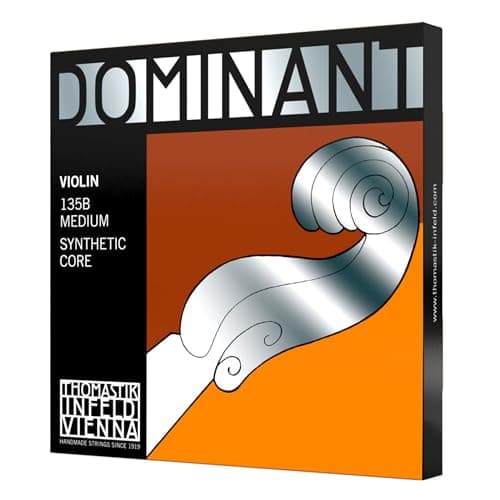
Steel against synthetic cores in the makers' own words, what ball-end and loop-end mean, and three sets for student players.
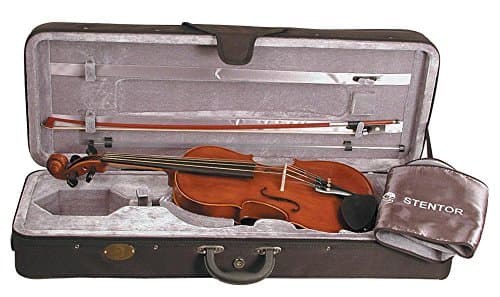
Top pick: Thomastik-Infeld Dominant violin set 135B (4/4)
$67.00 · View on Amazon#ad How we’re funded
Picks
Best beginner violas
Why viola sizing is in inches, what fittings to insist on at student prices, and three outfits from 12 inch to 16 inch bodies.
Comparison
Violin vs fiddle
What is identical, what genuinely differs in setup and technique, and what to buy if you want to play fiddle tunes.
Picks
Best violins for adult beginners
Why the setup matters more than the brand, what an outfit should include, and the honest first-six-months expectation.
Picks
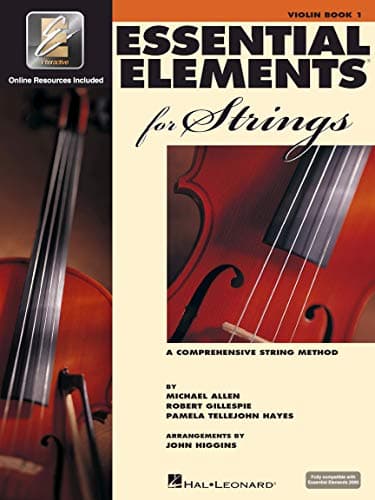
Best violin books for beginners
Essential Elements teaches reading from page one; Suzuki deliberately does not. Which suits which child, the book that fills the gap Suzuki leaves, and what no violin book can do.
Picks
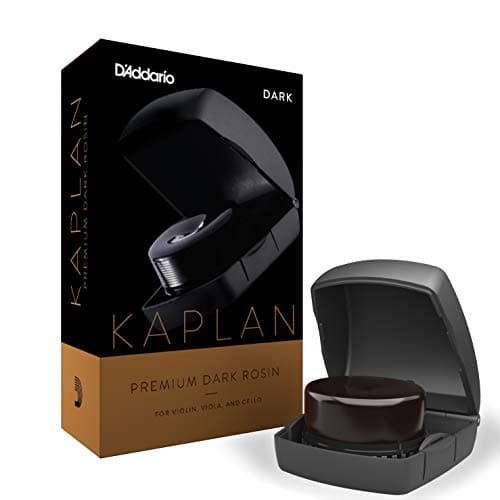
Best gifts for violin players
Strings and shoulder rests are both sized to the instrument, which is why so many violin gifts go wrong. Rosin is size-free. Four picks, ranked by how much you need to know first.
Picks
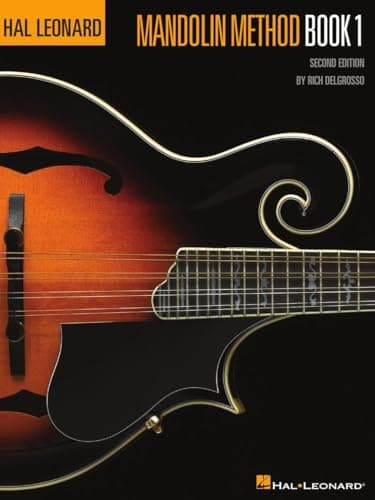
Best mandolin books for beginners
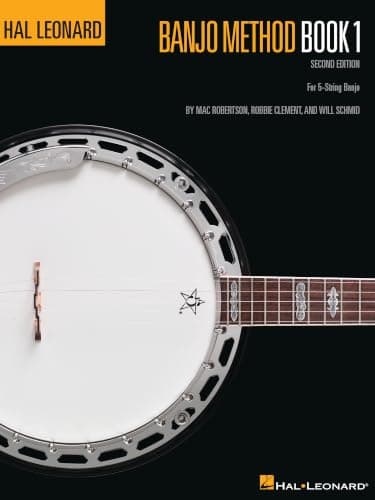
The method that starts from nothing, the chord book that answers week-three questions, and the song collection that keeps a beginner going. Three books on published page counts.
Top pick: Hal Leonard Mandolin Method — Book 1, Second Edition
$10.99 · View on Amazon#ad How we’re funded
Picks
Best banjo books for beginners
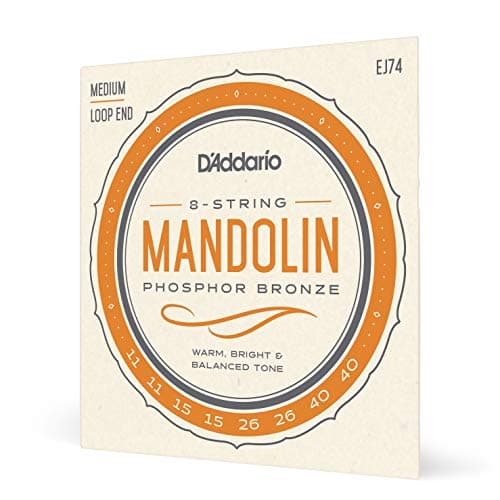
The cheap method that starts from nothing, the self-teaching book for adults, and the 200-page reference that is the wrong first purchase. Published page counts.
Guide
Mandolin accessories you actually need
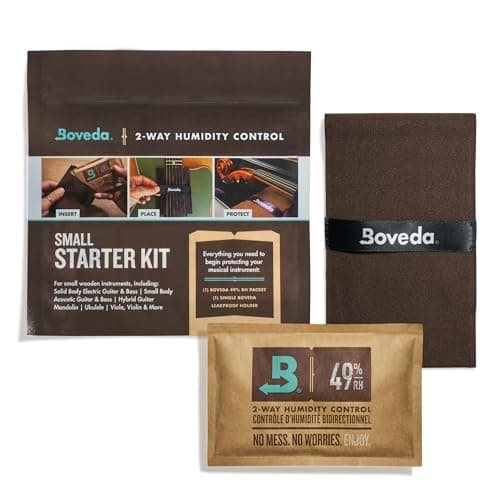
Strings and a stiff enough pick are the two upgrades that change how a budget mandolin sounds. Then a tuner, because eight strings is twice the tuning work.
Top pick: D'Addario EJ74 Phosphor Bronze Mandolin Strings, Medium 11-40
$9.99 · View on Amazon#ad How we’re funded
Picks
Best violin humidifiers
Two-way case packs hold 40 to 60 percent and cannot be over-filled; a refillable sponge is cheaper to run and only adds moisture. Why we skip the f-hole tube.
Top pick: Boveda 49% Instrument Humidifier Kit, 1 Pack + 1 Holder (small instruments)
$15.99 · View on Amazon#ad How we’re funded
Orchestral strings are the one family on this site where the size question has to be settled before any shopping happens. A violin one size too big is not awkward, it is unplayable — the left arm has to reach around the instrument with the hand in a specific position, and if the arm is too short the hand cannot get there.
Measure first
Violin size is set by arm length, not age. Have the player extend their left arm straight out to the side, palm up, and measure from where the neck meets the shoulder to the middle of the palm. Roughly: 17.5 to 20 inches is a 1/4, 20 to 22 inches is a 1/2, 22 to 23.5 inches is a 3/4, and 23.5 inches or more is full size.
A tall seven-year-old may need a 3/4 while a small eleven-year-old is still on a 1/2, and both are entirely normal. When the measurement falls between sizes, size down: a slightly small violin is cramped and playable, while a slightly large one puts the hand out of position and builds a technique that has to be dismantled later. The chart is in beginner violins.
The honest starter path for strings
Below the floor is a violin that has not been set up. This is the failure that defines the bottom of the market, and it is worth explaining because it is invisible in a listing.
A violin arrives from a factory as an assembled instrument that is not ready to play. The bridge is unfitted — its feet have to be carved to match the curve of that specific instrument’s top. The soundpost inside has to be positioned. The pegs have to be fitted so they turn smoothly and hold. The string grooves have to be cut to the right depth. That work is skilled and takes time, which is why the cheapest instruments do not have it done.
What arrives instead is a violin with the bridge loose in the case, pegs that slip so it cannot be tuned, and a bow that is unusable. A parent with no violin experience cannot fix any of it, and a shop setup afterward costs more than the instrument did.
The floor is therefore an instrument set up in a workshop before it ships, with solid carved spruce and maple rather than laminate, and ebony fingerboard and pegs rather than stained softwood that wears through and will not hold a tuning.
Rent or buy
For a growing child, renting is genuinely reasonable, because they will move through three or four sizes before reaching full size. Many shops apply rental payments toward an eventual purchase. For an adult, who will stay on one size, buying makes more sense immediately.
What this hub covers
Violin first, because it is where nearly everyone starts and because the sizing problem is most acute there. Viola, cello and mandolin follow the same principles — measured fit before purchase, workshop setup over specification sheets — and this hub will grow into them.
If a violin is proving to be the wrong fit for a child, the cross-instrument comparison works through guitar, keys, ukulele and drums on the same physical-fit basis. And if the interest is school orchestra rather than solo playing, the band and orchestra hub covers the rent-first question that applies to school programs.
The one thing worth more than the instrument
A teacher, and here more than anywhere else on this site. Violin posture and bow hold are close to impossible to self-correct, because the player cannot see what they are doing and there are no frets to tell them when a note is wrong. An hour of instruction on a violin is worth more than the same money spent on a better instrument, by a wide margin.
The words you will run into
- Outfit
- A violin sold with a bow, rosin and a case. Bought separately these are a meaningful fraction of the instrument price.
- Setup
- Fitting the bridge, positioning the soundpost, fitting the pegs and cutting the string grooves. The single biggest variable on an inexpensive violin.
- Soundpost
- A small wooden dowel inside the body transmitting vibration between the top and back. Its position materially changes the sound.
- Fractional sizing
- 1/16 through 4/4, selected by the player's arm length rather than their age.
- Shoulder rest
- A support filling the gap between the instrument and the collarbone. Not usually included and needed by almost every player.
If this is not the right instrument
- Ukuleles →
A small wooden instrument with a far gentler first month, if the violin is proving frustrating.
- Band & Orchestra →
If this is for a school program, start with the rent-or-buy question.
- How we pick →
The method behind every recommendation here, including what we refuse to claim.