Guitars
How to buy your first guitar
Six decisions, in order. Most first-time buyers make the second one first and the fourth one never, which is precisely backwards.
By Sawyer V. · Published · Last updated
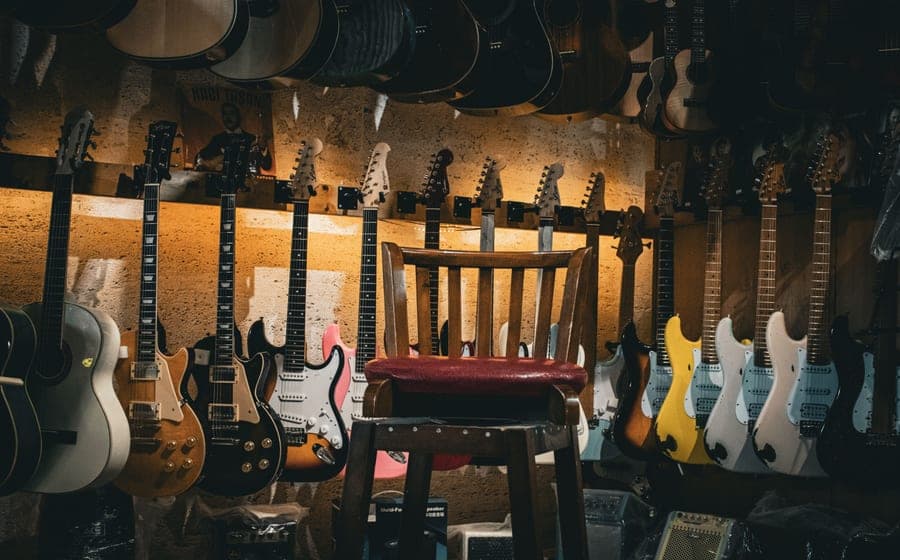
A first guitar goes wrong in a predictable way. The buyer picks a look, pays a price that feels safe, and ends up with an instrument that is physically harder to play than a good one — which the beginner experiences as a lack of talent rather than as a lack of setup.
Here are the six decisions in the order that avoids that. Each pick states its Starter Path band, and we have not physically tested any of them.
Decide who is playing it, then acoustic or electric, then the size. Only then check the four specifications that decide playability: scale length, nut material, tuner type and action. Budget for a setup. Brand and finish come last, and they matter least.
One: who is actually going to play it
Everything downstream follows from this and it is worth being blunt about. A guitar bought for a household is a guitar sized for nobody.
An adult or a teenager of roughly adult height wants a full-scale instrument. A child needs a fraction size, and the sizing is by the player’s reach rather than their age — the chart is in guitar sizes for kids. A player with small hands, at any age, should read guitars for small hands before anything else.
Two: acoustic or electric
This is the decision most people make first, and it is less consequential than they think.
Electric guitars are physically easier. The strings are lighter, the action is usually lower, the neck is often narrower and the body is thinner. The catch is that an electric is not a complete instrument — it needs an amplifier and a cable before it makes a usable sound.
Acoustics are simpler to own and harder to fret. Nothing to plug in, nothing to forget, and heavier strings under more tension. The Yamaha FG800#ad is the default acoustic recommendation: a solid Sitka spruce top with scalloped bracing, which is the one acoustic specification that changes what the instrument does over years.
The honest tiebreaker is not physics. It is which one the player wants to hear themselves play, because that decides whether they pick it up on a Tuesday. We argue both sides properly in acoustic versus electric for beginners.
Three: size
Two measurements, and they are independent of each other.
Scale length is nut to saddle, and it sets fret spacing and string tension. The Squier Sonic Stratocaster#ad is a full 25.5 inches; the FG800 is 650 mm. A three-quarter instrument is around 22.75 inches.
Body size is separate and often forgotten. A full dreadnought like the FG800 is 412 mm across and up to 118 mm deep, and a small teenager can struggle to get their strumming arm over it comfortably even though the scale length suits them fine. Scale length and body size are two different objections and a listing rarely addresses the second.
Why scale length matters mechanically is in guitar scale length explained, and the body question in guitar body shapes explained.
Four: the four specifications that decide playability
This is the step first-time buyers skip entirely, and it is the one that matters.
Nut material. The slotted piece at the top of the fingerboard. Soft molded plastic slots bind the strings so they do not return to pitch, which is why a cheap guitar can feel permanently out of tune. Synthetic bone, as on the Squier Sonic, does not.
Tuner type. Sealed-gear tuners hold pitch; open unsealed ones slip and collect dust. This is the single most important specification on a first electric.
Action. How high the strings sit above the frets. High action at the first three frets is where a beginner spends their first six months, and it is what makes their fingertips hurt enough to stop. It is also adjustable, which is why step six exists.
Scale length, published. Not because the number itself is hard to guess, but because a seller who publishes it is a seller confident in it.
If a listing gives you none of these and instead gives you a color name and a photograph, that omission is the answer. The full version of this argument is in are cheap guitars worth it.
Five: where to buy it
A shop lets you hold the instrument, which resolves the size question in under a minute and is worth a trip for a child in particular. It also means a human has taken the guitar out of the box, which is not nothing.
Buying online is fine for a model whose specifications are published, because the risk you are avoiding in a shop is mostly variance between unbranded instruments. Buying a well-documented guitar sight unseen is low risk; buying an unbranded one is a lottery either way.
Used is the genuinely underrated option for an adult, and the reasoning is in used versus new first instrument.
Six: budget for a setup
On any guitar under a few hundred dollars, a proper setup changes the instrument more than moving up a brand tier does.
Factory setups are cut to a production tolerance, not to a player. Nut slots left high make the first three frets much harder to press, and that is exactly where a beginner lives. A well set-up inexpensive guitar beats a badly set-up expensive one, reliably.
What is actually involved is in what a guitar setup actually is.
What you still need on day one
A tuner. A Snark clip-on chromatic tuner#ad reads pitch through the headstock rather than a microphone, so it works in a room with a television on. This is not optional: an out-of-tune guitar sounds wrong no matter how correctly it is being played, and a beginner cannot tell which problem they have.
An amp, if the guitar is electric. The Fender Frontman 10G#ad is the default: ten watts, a six inch speaker, and a headphone socket that is worth more than the wattage in a shared house. Alternatives are in best beginner guitar amps.
A strap, spare strings and picks. Cheap and genuinely used. The full list in priority order is in guitar accessories you actually need.
What all of this should add up to is in how much a beginner guitar should cost, and the models themselves are in best beginner guitars.
What we would buy
Yamaha FG800
YamahaBest for: Buy once, acoustic
A solid Sitka spruce top with scalloped bracing at the entry price. Solid-versus-laminate is the one acoustic spec that changes what the instrument does over years, and this is the cheapest place to get it done right.
Published specifications
- Top:
- Solid Sitka spruce
- Back / sides:
- Nato / okume
- Neck / fingerboard:
- Nato neck, rosewood fingerboard, R400 mm (23-5/8") radius
- Scale length:
- 650 mm (25-9/16")
- Nut width:
- 43 mm (1-11/16")
- Bracing:
- Scalloped
- Body:
- Traditional Western (dreadnought), 412 mm (16-1/4") wide, 100-118 mm deep
- Hardware:
- Die-cast chrome tuners, urea nut and saddle
What it gets right
- A solid top, not a laminate — the only acoustic spec at this price that genuinely changes over time
- Scalloped bracing and die-cast tuners are specifications you normally pay considerably more for
- Yamaha's most-copied entry acoustic; parts, setups and advice are everywhere
Where it gives ground
- A full dreadnought body is a big box — 412 mm across and up to 118 mm deep
- Nato and okume back and sides are the cost saving; the top is where the money went
What it is not good at
Fitting a smaller player. The dreadnought body is wide and deep enough that a young teenager can struggle to get their arm over it comfortably. If that is the buyer, look at the JR1 or a concert-size body instead.
How the specs score against a beginner’s needs
Scores are our reading of the published specifications above against what a beginner physically needs. They are not test results — we have not played this instrument.
Specifications from Yamaha Europe — FG/FS800 series specifications.
Squier Sonic Stratocaster
Squier by FenderBest for: The honest floor, electric
The cheapest electric that still has full-scale geometry, sealed tuners and a real 9.5 inch fingerboard radius. Nothing about it will make a beginner's first year harder.
Published specifications
- Scale length:
- 25.5" (647.7 mm) — full size
- Body / neck:
- Poplar body, maple neck, "C" profile
- Fingerboard:
- Maple or Indian laurel, 9.5" (241 mm) radius
- Frets:
- 21, narrow tall
- Nut width:
- 1.650" (42 mm), synthetic bone
- Pickups:
- Three ceramic single-coils (SSS)
- Bridge:
- 6-saddle vintage-style synchronized tremolo
What it gets right
- Full 25.5 inch scale, so nothing learned here has to be relearned later
- Synthetic bone nut rather than a soft plastic one — the part that decides whether a cheap guitar stays in tune
- Sealed-gear tuners, which is the single most important spec on a first electric
Where it gives ground
- Poplar body and ceramic pickups are exactly what you would expect at this tier
- The tremolo bridge will pull the guitar out of tune if a beginner uses it, and beginners always use it
What it is not good at
Staying in tune if you use the whammy bar. If that matters, buy the hardtail (HT) version of the same guitar instead — it is the identical instrument with the tremolo deleted.
How the specs score against a beginner’s needs
Scores are our reading of the published specifications above against what a beginner physically needs. They are not test results — we have not played this instrument.
Specifications from Squier Wiki — Sonic Stratocaster specifications.
Fender Frontman 10G
FenderBest for: The default first amp
Ten watts, a 6 inch speaker, a headphone socket and an aux input. It is the amplifier almost every first electric guitar gets paired with, and there is no reason to argue with that.
Published specifications
- Power:
- 10 W
- Speaker:
- 6" special design
- Channels:
- Normal and drive, switchable
- EQ:
- 2-band
- Connections:
- 1/8" aux in, 1/8" headphone out
- Cabinet:
- Closed back
- Dimensions:
- 11" H x 10.25" W x 5.75" D
- Weight:
- 8.5 lb
What it gets right
- Headphone output — the single feature that decides whether an electric guitar can be practiced in the evening
- Aux input, so a beginner can play along with a phone without any extra hardware
- Two channels, so clean and distorted are a knob apart rather than a pedal purchase away
Where it gives ground
- The drive channel is fizzy at high gain, which is what you expect from a solid-state amp at this size
- A 6 inch speaker has no low end to speak of
What it is not good at
Playing with a drummer. Ten watts through a 6 inch speaker is a bedroom amplifier, and it will disappear the moment anyone hits a snare. That is fine — it is not what it is for.
How the specs score against a beginner’s needs
Scores are our reading of the published specifications above against what a beginner physically needs. They are not test results — we have not played this instrument.
Specifications from Sweetwater — Fender Frontman 10G specifications.
Snark clip-on chromatic tuner
SnarkBest for: Tuning anything with strings
Clips to the headstock and reads pitch from the vibration of the wood, so it works in a noisy room and an adult who plays nothing can tune the instrument in twenty seconds.
Published specifications
- Type:
- Clip-on chromatic
- Sensing:
- Vibration through the headstock, not the microphone
- Fits:
- Guitar, bass, ukulele, violin, mandolin
- Display:
- Full-color rotating screen
What it gets right
- Vibration sensing means it works in a room with a television on, which a microphone tuner does not
- Chromatic, so one tuner covers every instrument in the house
- The rotating display means it reads correctly whichever way the instrument is held
Where it gives ground
- The clip is plastic and it is the part that eventually breaks
- Battery-powered, and it will be flat the one time you need it in a hurry
What it is not good at
Wind and brass instruments. It reads vibration through a solid body, so there is nothing for it to clip to on a flute or a trumpet.
How the specs score against a beginner’s needs
Scores are our reading of the published specifications above against what a beginner physically needs. They are not test results — we have not played this instrument.
Specifications from Snark tuners (retail listing with published feature set).
Questions people actually ask
How do I choose my first guitar?
Decide who is playing it, then acoustic or electric, then the body and scale size that fits them, then check four specifications: scale length, nut material, tuner type and action. Brand and color come last.
Should a beginner start on acoustic or electric?
Electric is physically easier — lighter strings, lower action, a thinner body. Acoustic is simpler to own, with nothing to plug in. Start with whichever the player actually wants to hear themselves play.
What specs should I check before buying a guitar?
Scale length, nut material, tuner type and how high the strings sit at the twelfth fret. A seller who publishes none of those is telling you something useful.
Does a new guitar need a setup?
Usually, and on an inexpensive guitar it changes the instrument more than moving up a brand tier does. Factory setups are built to a production tolerance rather than to a player.
Sources
Still deciding?
Every recommendation on this site is built the same way, and the method is published in full — including what we do not do and what would get a pick dropped.
Read next
- Best beginner guitars: one pick each for adults, teens and kids
Acoustic and electric in one place, segmented by player rather than price, with a single clear pick for each situation.
- Acoustic vs electric guitar for beginners
The physical difference is real but small. The cost difference is larger than most people expect. Buy CTAs for both answers.
- How much should a beginner guitar cost?
Four price bands defined by specification rather than by number, plus the hidden costs that turn a $200 budget into a $270 purchase.
- What a guitar setup actually is
The four adjustments in a setup, why budget guitars need one most, and which parts of it a beginner can safely do at home.
- What size guitar does a child need?
Age and height chart with real scale lengths, the ten-second fit check, and why height beats age every time.