Guitars
Is guitar hard to learn?
Easier than people fear for the first month, harder than they expect in the second, and much of the difficulty is the instrument rather than the player.
By Sawyer V. · Published · Last updated
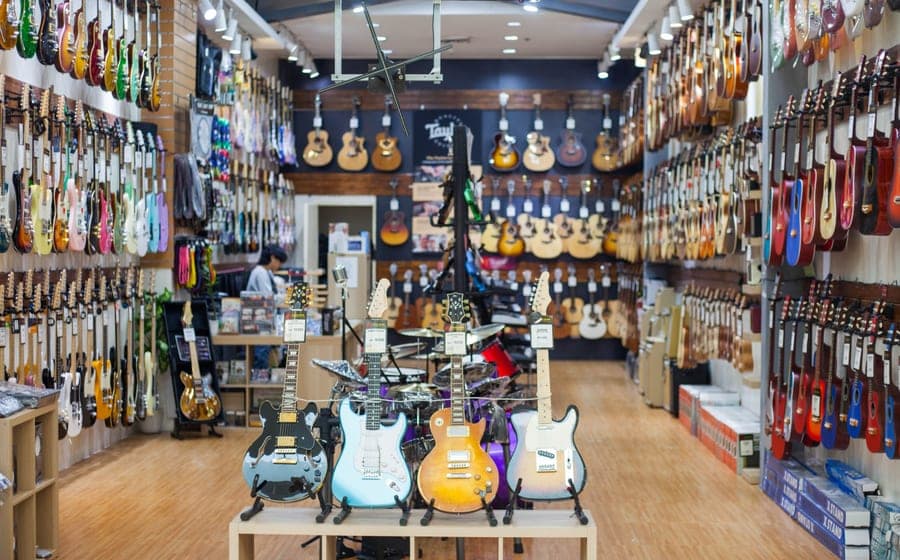
Guitar has a reputation for being the approachable instrument, and it half deserves it. Five chords will get you through a surprising amount of popular music. Nothing needs assembling. It is the most commonly self-taught instrument on this site.
It is also, in weeks two to eight, physically uncomfortable in a way a piano is not, and that is where nearly everyone who quits does so.
The picks below state their Starter Path band, and we have not physically tested any of them.
Guitar is easy to start and hard to be good at. The difficulty is concentrated in the first two months, when fingertips hurt and chord changes are too slow to sound like music. A properly set-up guitar removes a large part of that, and most beginners never find out because their instrument was never set up.
What is genuinely hard, in order
Fingertips, weeks one to four. Pressing a steel string against a metal fret with an uncalloused fingertip hurts. It is not a sign of doing it wrong; it is the skin adapting, and it resolves in two to four weeks of regular playing. Why, and what shortens it, is in why your guitar hurts your fingers.
Chord changes, weeks two to eight. This is the real wall. Individual chords come quickly; moving between them in time does not. For several weeks a learner can play every chord in a song and cannot play the song, and that gap is where the instrument goes in the cupboard.
The F chord, somewhere around month two. A barre chord asks one finger to hold down six strings at once, and it is the first thing on guitar that feels impossible. It becomes possible. It also becomes far easier on an instrument with correctly cut nut slots, which is not a coincidence.
Rhythm, permanently. The genuinely hard part, and the one nobody warns about, because it never announces itself as a milestone.
What is easier than people expect
The first chord takes about ten minutes. The first recognizable song takes a week or two. You do not need to read music to play guitar and most guitarists never do, which removes a barrier that stops people on other instruments entirely.
And the ceiling is a long way up, which means the instrument stays interesting for decades. Milestone timings are in how long does it take to learn guitar.
How much of the difficulty is the guitar
More than most beginners are ever told. This is the part of the answer we think is genuinely underreported.
Action set too high. If the strings sit too far above the frets at the first three positions, every chord takes more force. The beginner experiences weak hands. The cause is a nut slot cut a fraction of a millimeter high at the factory, and it is fixable in twenty minutes by someone with the right file.
A guitar that will not hold tune. Slipping tuners or a plastic nut mean the instrument sounds wrong whatever the player does, and a beginner cannot tell whether the problem is the chord or the tuning. The Squier Sonic Stratocaster#ad uses sealed tuners and a synthetic bone nut specifically to avoid this, and it is why we recommend it over cheaper electrics.
Heavy strings on a dreadnought. Acoustic strings are under considerably more tension than electric ones. The Fender CD-60S#ad uses a slightly shorter 25.3 inch scale and rolled fingerboard edges, and the rolled edges in particular remove the sharp edge that makes a new player’s hand ache after twenty minutes.
A well set-up inexpensive guitar is easier to play than a badly set-up expensive one. That sentence is the most useful thing on this page, and the detail is in what a guitar setup actually is.
Acoustic or electric, if difficulty is the deciding factor
Electric is physically easier: lighter strings, lower action, a thinner neck and a thinner body. If the player’s hands are the obstacle, electric removes part of it.
Acoustic is simpler to own and it is always ready. There is nothing to plug in, nothing that needs batteries, and no reason not to pick it up for four minutes.
The Yamaha FG800#ad remains the default acoustic recommendation on the strength of its solid spruce top. Both cases are argued properly in acoustic versus electric for beginners.
Compared with the other instruments on this site
Easier than guitar to start: ukulele, clearly. Four nylon strings under low tension, no fingertip pain worth the name, and simpler chord shapes.
Similar: keys, which is easier in week one and harder in year two, because two independent hands is a genuinely difficult coordination problem.
Harder: violin, where you have to produce the pitch yourself with no frets to help, and most band instruments, where you have to produce a sound at all before anything else.
What actually stops people, and what to do about it
Almost nobody quits guitar because it turned out to be too hard. They quit because the gap between their playing and the record they love was discouraging, at a point where the instrument was also physically uncomfortable.
Both of those are addressable. Get the guitar set up. Learn songs you actually want to hear rather than exercises. Practice for fifteen minutes daily rather than two hours on a Sunday. And expect week six to be the worst of it, because knowing that in advance is most of surviving it.
More on the quitting problem specifically in how to stop a beginner quitting.
What we would buy
Yamaha FG800
YamahaBest for: Buy once, acoustic
A solid Sitka spruce top with scalloped bracing at the entry price. Solid-versus-laminate is the one acoustic spec that changes what the instrument does over years, and this is the cheapest place to get it done right.
Published specifications
- Top:
- Solid Sitka spruce
- Back / sides:
- Nato / okume
- Neck / fingerboard:
- Nato neck, rosewood fingerboard, R400 mm (23-5/8") radius
- Scale length:
- 650 mm (25-9/16")
- Nut width:
- 43 mm (1-11/16")
- Bracing:
- Scalloped
- Body:
- Traditional Western (dreadnought), 412 mm (16-1/4") wide, 100-118 mm deep
- Hardware:
- Die-cast chrome tuners, urea nut and saddle
What it gets right
- A solid top, not a laminate — the only acoustic spec at this price that genuinely changes over time
- Scalloped bracing and die-cast tuners are specifications you normally pay considerably more for
- Yamaha's most-copied entry acoustic; parts, setups and advice are everywhere
Where it gives ground
- A full dreadnought body is a big box — 412 mm across and up to 118 mm deep
- Nato and okume back and sides are the cost saving; the top is where the money went
What it is not good at
Fitting a smaller player. The dreadnought body is wide and deep enough that a young teenager can struggle to get their arm over it comfortably. If that is the buyer, look at the JR1 or a concert-size body instead.
How the specs score against a beginner’s needs
Scores are our reading of the published specifications above against what a beginner physically needs. They are not test results — we have not played this instrument.
Specifications from Yamaha Europe — FG/FS800 series specifications.
Squier Sonic Stratocaster
Squier by FenderBest for: The honest floor, electric
The cheapest electric that still has full-scale geometry, sealed tuners and a real 9.5 inch fingerboard radius. Nothing about it will make a beginner's first year harder.
Published specifications
- Scale length:
- 25.5" (647.7 mm) — full size
- Body / neck:
- Poplar body, maple neck, "C" profile
- Fingerboard:
- Maple or Indian laurel, 9.5" (241 mm) radius
- Frets:
- 21, narrow tall
- Nut width:
- 1.650" (42 mm), synthetic bone
- Pickups:
- Three ceramic single-coils (SSS)
- Bridge:
- 6-saddle vintage-style synchronized tremolo
What it gets right
- Full 25.5 inch scale, so nothing learned here has to be relearned later
- Synthetic bone nut rather than a soft plastic one — the part that decides whether a cheap guitar stays in tune
- Sealed-gear tuners, which is the single most important spec on a first electric
Where it gives ground
- Poplar body and ceramic pickups are exactly what you would expect at this tier
- The tremolo bridge will pull the guitar out of tune if a beginner uses it, and beginners always use it
What it is not good at
Staying in tune if you use the whammy bar. If that matters, buy the hardtail (HT) version of the same guitar instead — it is the identical instrument with the tremolo deleted.
How the specs score against a beginner’s needs
Scores are our reading of the published specifications above against what a beginner physically needs. They are not test results — we have not played this instrument.
Specifications from Squier Wiki — Sonic Stratocaster specifications.
Fender CD-60S
FenderBest for: Easiest acoustic to fret
Solid spruce top, mahogany back and sides, and rolled fingerboard edges on a slightly shorter 25.3 inch scale. The rolled edges are the reason to pick this one.
Published specifications
- Top:
- Solid spruce
- Back / sides:
- Mahogany
- Scale length:
- 25.3" (643 mm)
- Nut width:
- 1.69" (43 mm)
- Fingerboard:
- 12" radius, 20 frets, rolled edges
- Bracing:
- Quartersawn scalloped "X"
- Neck:
- Fender "Easy-to-Play" shape
What it gets right
- Rolled fingerboard edges remove the sharp edge that makes a new player's hand hurt after twenty minutes
- Solid spruce top at the same tier as the FG800, with mahogany rather than nato back and sides
- The 25.3 inch scale is slightly shorter than most dreadnoughts — marginally lower string tension
Where it gives ground
- Still a full dreadnought body, so the size objection is the same as the FG800's
- The 12 inch fingerboard radius is quite round compared with the FG800's flatter 400 mm
What it is not good at
Being obviously better than the FG800. These two are genuinely close, they trade blows on back-and-sides wood versus bracing, and anyone telling you one is clearly superior has not looked at the spec sheets.
How the specs score against a beginner’s needs
Scores are our reading of the published specifications above against what a beginner physically needs. They are not test results — we have not played this instrument.
Specifications from Fender — CD-60S Dreadnought.
Questions people actually ask
Is guitar hard to learn?
It is easy to start and hard to master, like every instrument. The specific difficulty is concentrated in weeks two to eight, when fingertips hurt and chord changes are slow, and most people who quit do so inside that window.
Is guitar harder than piano?
Harder at the very start, easier in the middle. A piano makes a good sound the moment you press a key; a guitar does not until your fingers can hold a shape. But a guitar’s first five chords cover an enormous amount of music.
How long before guitar stops hurting?
Two to four weeks of regular playing for fingertips to toughen. If it is still painful after that, the instrument is the likely cause — usually action set too high at the nut.
Can you teach yourself guitar?
Yes, and more people do than with any other instrument. The risk is habits: a thumb wrapped over the neck or a collapsed wrist is easy to build and slow to remove. A few early lessons are worth more than the same money spent later.
Sources
Still deciding?
Every recommendation on this site is built the same way, and the method is published in full — including what we do not do and what would get a pick dropped.
Read next
- How long does it take to learn guitar?
Milestones by practice hours rather than months, what gates each phase, and why the first three weeks matter most.
- Why the guitar hurts your fingers
Normal callus pain versus a badly set-up guitar, the four adjustments that reduce effort, and when to stop rather than push through.
- Acoustic vs electric guitar for beginners
The physical difference is real but small. The cost difference is larger than most people expect. Buy CTAs for both answers.
- Why beginners quit, and what prevents it
The three points where beginners stop, what causes each, and the interventions that work at each stage.
- What a guitar setup actually is
The four adjustments in a setup, why budget guitars need one most, and which parts of it a beginner can safely do at home.