Beginner keyboards and digital pianos
The instrument where the wrong purchase is least obvious and most expensive. Key count and key action decide almost everything.
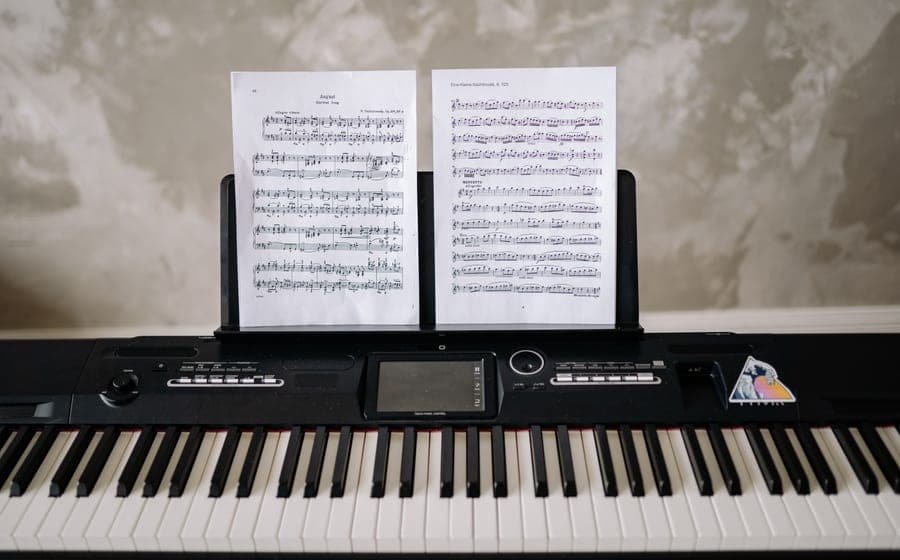
Everything in keys
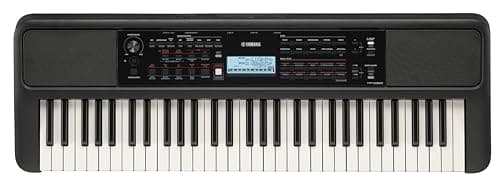
Picks
Best beginner keyboards: 61 keys that suit real lessons
Touch response over tone count, segmented for children and adult learners, with the 61-key ceiling stated plainly.
Picks
Best beginner digital pianos: 88 keys, honestly compared
Hammer action versus semi-weighted at the entry price, with the polyphony and weight trade-offs both stated.
Comparison
61 vs 88 key keyboard
When 61 keys stops being enough, what 88 actually costs in money and floor space, and buy paths for both answers.
Comparison
Weighted vs unweighted keys
Hammer, semi-weighted and synth action explained by effect on the hands, with the one question that settles the choice.
Comparison
Keyboard vs digital piano
What each instrument is built for, what each costs to complete, and the question that decides between them.
Guide
How much should a beginner keyboard cost?
Four bands from touch response to hammer action, plus the stand, bench and pedal costs that turn a keyboard budget into a bigger one.
Guide
Are cheap keyboards worth it?
Why cheap keyboards fail invisibly rather than mechanically, and the three specs that separate a cheap board from a too-cheap one.
Guide
What you actually need to start piano
The complete accessory list in priority order, with what each one is for and which ones can genuinely wait.
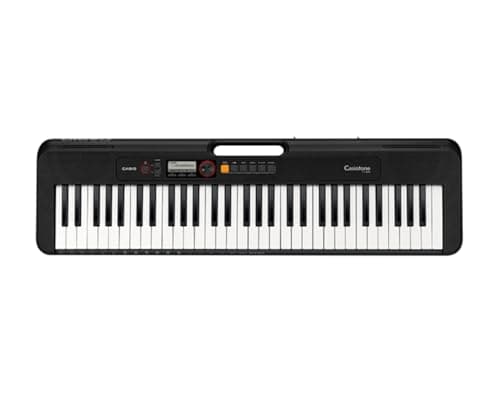
Picks
Best keyboards for kids
Why mini keys are disqualifying, and two picks that keep full-size touch-sensitive keys within a child's budget.
Picks
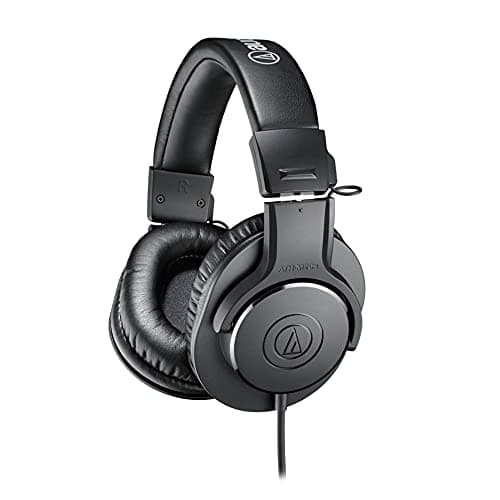
Best headphones for a digital piano
Closed-back over-ear picks, the quarter-inch adapter problem, and why open-back headphones are the wrong tool here.
Guide
Keyboard stands and benches
How to set the correct playing height, X-stand versus Z-stand, and why the adjustable bench is the item to buy first.
Picks
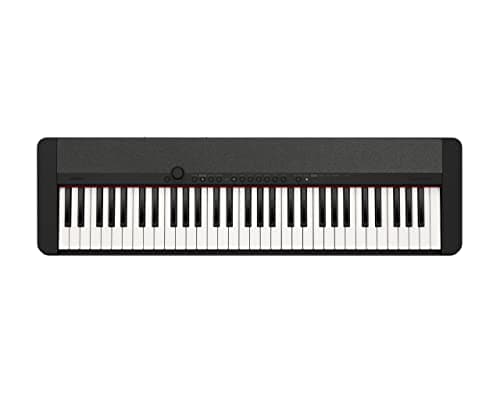
Best portable keyboards
The three specs that decide whether a keyboard actually travels, and the boards that get all three right at a beginner price.
Guide
Keyboard accessories you actually need
Stand, bench, sustain pedal and headphones, ranked by how much they change your playing, plus the bundle items that get thrown away.
Comparison
Digital piano or acoustic piano to start?
Running costs, tuning, volume control and why a neglected acoustic is worse than a good digital, with the case for each stated fairly.
Picks
Best keyboards for adult beginners
Why adults should weight the key action over the feature list, and four boards covering buy-once down to the honest floor.
Comparison
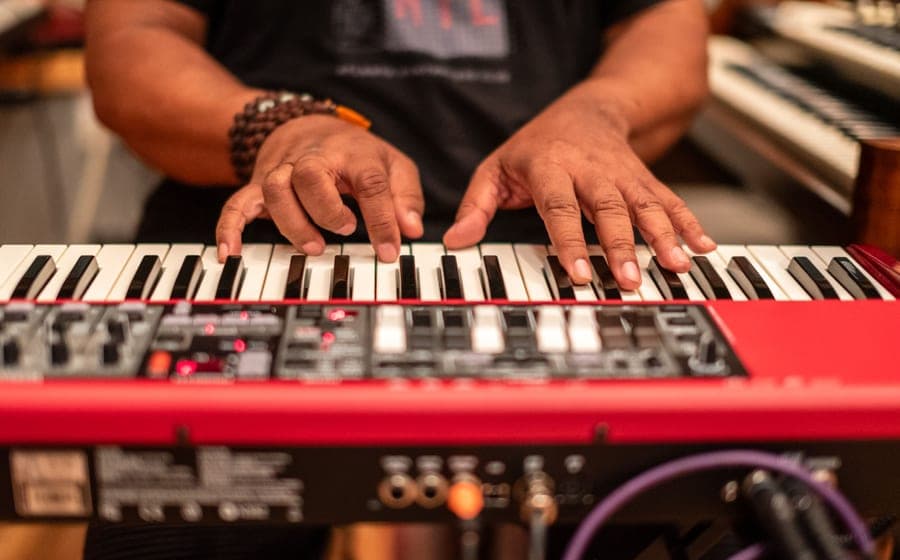
MIDI keyboard or digital piano?
What a controller does and does not include, the hidden costs, and why a beginner learning piano almost always wants the standalone instrument.
Guide
Keyboard specs, and which ones matter
What polyphony really limits, why 700 voices is not a feature, and the four specs that genuinely decide whether a keyboard is good.
Guide
How to practice piano so it actually works
A session structure that fits twenty minutes, why hands-separate practice works, and the equipment that removes excuses.
Guide
How to look after a digital piano
The short maintenance list, the three failure modes worth preventing, and how to test a keyboard properly before or after buying.
Comparison
Keyboard or guitar to start on?
Which is genuinely easier in month one, the total cost of each, noise, portability, and what each instrument leads to.
Guide
Piano lessons or a learning app?
What apps do well, the two things only a person can catch, and a hybrid approach that costs a fraction of weekly lessons.
Picks
Best MIDI keyboards for beginners
Pads versus keys, what each bundle actually includes, and the one check to run before buying a controller instead of an instrument.
Picks
Best weighted keyboards
Hammer action versus semi-weighted versus spring-loaded, what a teacher actually means by weighted, and the two boards that deliver it at a beginner price.
Picks
Best arranger keyboards for beginners
What auto-accompaniment actually does, who it suits, and three boards from full arranger to deliberately stripped back.
Picks
Best digital pianos for apartments
Why hammer actions are mechanically noisy, what carries through a floor, and the boards and setup that make evening practice actually workable.
Picks
Best keyboards for bedroom producers
Controller versus standalone-with-USB, the latency problem nobody budgets for, and three boards covering both approaches.
Guide
How long does it take to learn piano?
Milestone-by-milestone timeline from first note to playing comfortably, where the plateau hits, and what genuinely speeds it up.
Guide
Best keyboard brands for beginners
What Yamaha, Casio, Alesis, Roland and Korg each do well at the beginner end, and the specifications that outrank the badge.
Comparison
Casio vs Yamaha for beginner keyboards
A spec-by-spec comparison of the models that actually compete, and a clear rule for which brand suits a child, an adult and a future piano student.
Picks
Best keyboards with built-in lessons
Which built-in lesson features do real work, which are marketing, and the keyboards that carry the useful ones.
Picks
Best keyboards for older beginners
What changes about the purchase when the player is older: weight, panel clarity, key resistance, and why the headphone socket matters most of all.
Comparison
49 vs 61 keys
What a 49-key board runs out of and when, the two cases where 49 keys is genuinely the right buy, and why 61 is the floor for learning piano.
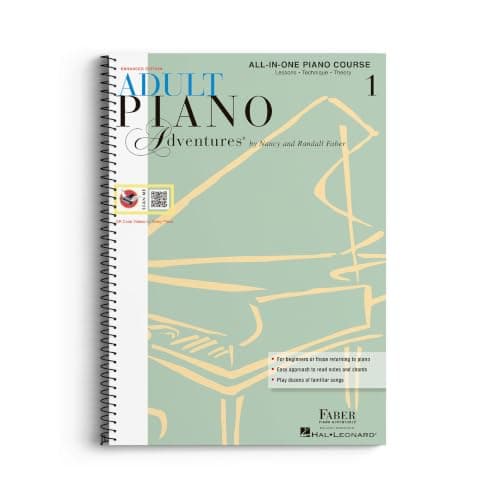
Picks
Best piano books for beginners
Adult or child, teacher or alone: the two questions that pick the book, plus four current methods with their weaknesses stated.
Top pick: Adult Piano Adventures All-in-One Course Book 1
$19.99 · View on Amazon#ad How we’re funded
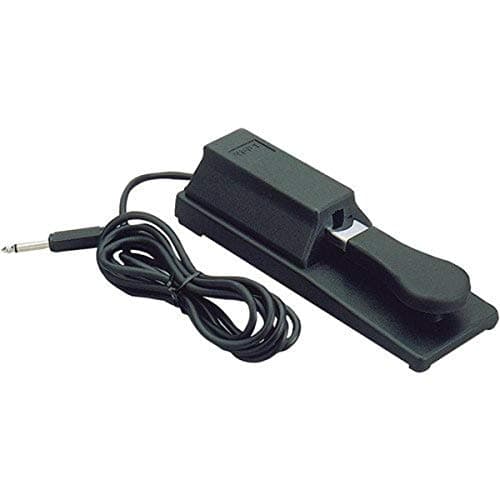
Picks
Best sustain pedals for keyboards
Polarity, half-damper and grip explained, plus three pedals for keyboards that came with a plastic footswitch or nothing.
Comparison
Yamaha P-145 vs Alesis Recital
Fully weighted graded hammer action against semi-weighted keys, and what each one costs you in the second year.
Comparison
Akai MPK Mini MK3 vs Arturia MiniLab 3
Pads and beat-making against aftertouch and DAW control, plus what each software bundle actually gives you.
Picks
Best keyboards for teenagers
Why headphones and music taste decide this purchase, what to check before buying, and four keyboards for four kinds of teenager.
Picks
Best keyboards for worship
Dedicated line outputs and a split point are the two specifications that matter, and they are not on most beginner keyboards. What a DI box fixes, what it does not, and four keyboards on published specs.
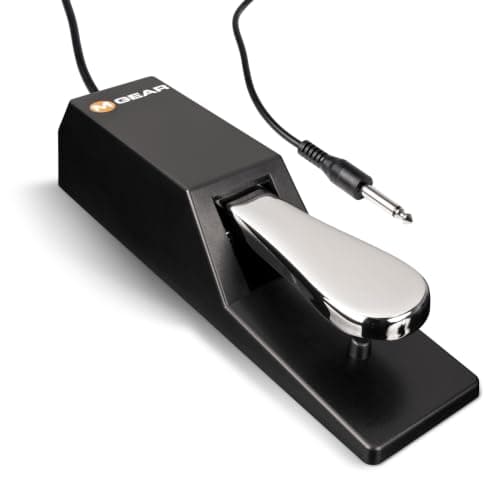
Picks
Best gifts for piano players
The bundled plastic footswitch is the weakest part of most beginner keyboards, and a real sustain pedal fixes it. Four gifts that fit any keyboard, and why a bench is riskier than it looks.
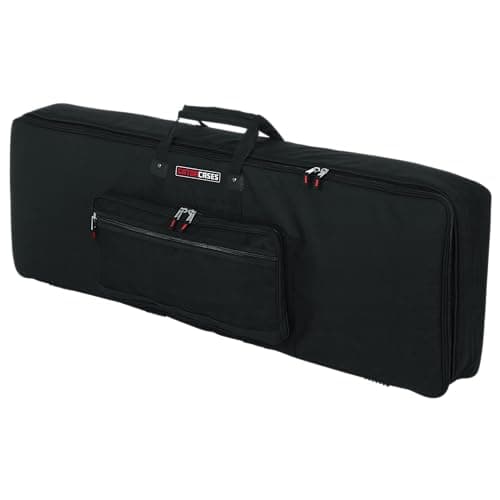
Picks
Best keyboard gig bags and cases
Published interior lengths for 88-key bags run from 53 to 59 inches, so the label tells you nothing. How to measure, when wheels earn their 22 pounds, and four bags on real dimensions.
Keys are the instrument where the marketing is furthest from what matters. The box shouts about 650 tones and 200 rhythms, and neither has any bearing on whether a beginner learns to play. Two specifications that go almost unmentioned decide nearly everything.
The honest starter path for keys
Below the floor is a keyboard with narrow keys, or no touch response, or fewer than 61 keys — frequently all three. Narrow keys teach a hand span that is wrong on every other instrument, which is worst for young children, precisely when hand position is being set. And a keyboard without touch response plays every note at the same volume no matter what the player does, so dynamics cannot be practiced at all. The student is not doing it wrong; there is nothing to do.
The floor is 61 full-size touch-sensitive keys with a headphone socket and a power adapter in the box. That is a real instrument and it will not be the reason anyone stops.
Enough is 88 weighted keys, and it is worth being precise about what that buys: key action, not features. A hammer-action digital piano has dramatically fewer sounds than a keyboard a third of its price. Its 88 small weighted mechanisms are the product.
Overspending starts above the entry hammer-action tier, where more money buys better samples, more polyphony, escapement simulation and furniture cabinets. All real, none of it changing whether someone learns.
The question that decides between a keyboard and a digital piano
Is there a teacher, and will lessons happen on an acoustic piano?
If yes, buy weighted keys. On an acoustic piano, pressing a key throws a felt hammer at a string, and the resistance you feel is that hammer’s inertia — heavier in the bass where the hammers are larger. A pianist’s entire dynamic control is learning to accelerate that mass with different amounts of force. A spring-loaded unweighted key does not reproduce it, so a student who practices for a year on unweighted keys sits at a real piano and finds everything heavier than expected, fast passages beyond their endurance, and dynamics simply absent.
If no, buy touch-sensitive and unweighted, spend considerably less, and put the difference toward lessons. There are plenty of good reasons to prefer unweighted: it is lighter, it stores easily, and a young child’s hands may genuinely not have the strength to drive a hammer action yet. The argument is laid out in weighted vs unweighted keys.
61 keys or 88
61 keys covers five octaves and is enough for essentially all first-year and second-year method-book material. Beginner books are written for the middle of the keyboard on purpose, and a student never approaches the ends.
Then a piece arrives with a left-hand octave in the bass and the note is not there. That is roughly year two of structured lessons, and for someone working on pop songs and chords it may never arrive at all. The hidden variable is that 61-key instruments are almost always unweighted and 88-key ones almost always are not, so the choice is usually about action as much as range. Both sides in 61 vs 88 keys.
The accessories are not optional here
Keys are the instrument where the accessories most reliably blow the budget, because several of them are genuinely required. A stand at the right height, an adjustable bench so the forearms sit level with the keys, a sustain pedal that method books ask for within a few months, and headphones that make evening practice possible.
The bench in particular is the item most often skipped and the one with the most lasting effect — a dining chair puts nearly every adult and dramatically every child too low, which pushes the wrists up into an angle that limits control and, over years, causes strain. Full list in what you actually need to start piano.
The words you will run into
- Touch response
- Whether playing harder makes the note louder. The single most important specification on a beginner keyboard, and routinely absent at the bottom of the market.
- Hammer action
- A physical weighted lever under each key reproducing an acoustic piano's hammer inertia. Found on 88-key digital pianos.
- Graded weighting
- Keys that are heavier in the bass and lighter in the treble, matching an acoustic piano where the bass hammers are physically larger.
- Semi-weighted
- Springs adding constant resistance rather than inertia. Firmer than a synth action, and not the same as a hammer action.
- Polyphony
- How many notes the instrument can sound at once, including notes still ringing under the sustain pedal. 64 is comfortable for a beginner.
- Mini keys
- Keys narrower than the standard width. They teach a hand span that is wrong on every other keyboard and should be avoided, especially for children.
If this is not the right instrument
- Guitars →
If the player wants to carry the instrument around and play to people.
- Drums →
If sitting still at a fixed station is the problem rather than the music.
- How we pick →
The method behind every recommendation here, including what we refuse to claim.