Guitars
Guitar accessories you actually need
The accessory wall is designed to convert a guitar purchase into three more purchases. Four of the items on it earn their place.
By Sawyer V. · Published · Last updated
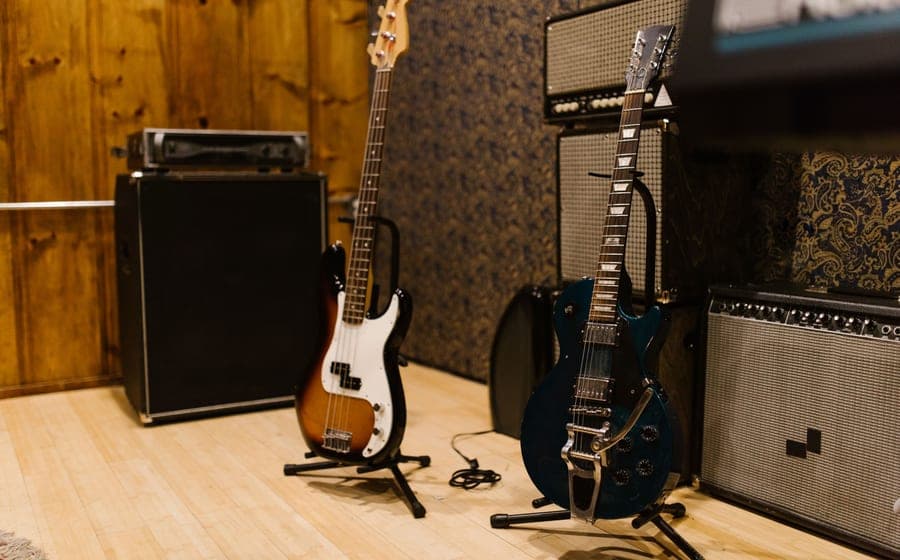
Buy a guitar and you will immediately be offered eleven other things. Four of them change how the instrument plays or whether it gets played at all. The rest are margin.
Every pick states its Starter Path band, and we have not physically tested any of them — the method is on how we pick.
A tuner, spare strings, picks and a strap. That is the list. An electric guitar also needs an amplifier and a cable, which are not accessories. A stand is the best optional purchase because it decides how often the guitar gets picked up.
1. A tuner — the only genuinely non-negotiable item
An out-of-tune guitar sounds wrong no matter how correctly it is being played, and a beginner has no way of telling which of those two problems they have. That is the whole argument, and it is enough.
The Snark clip-on chromatic tuner#ad clips to the headstock and reads pitch from vibration in the wood rather than through a microphone, which means it works in a room with a television on — a real distinction in a family house. It is chromatic, so one unit covers the guitar, the ukulele and anything else with strings.
Phone apps work and they use the microphone, so they need a quiet room and they need the phone, which is also where the distractions are.
2. Strings — and the right gauge, not the cheapest
Strings are consumable. They dull, they corrode, and on a guitar being learned on daily they are noticeably worse within a couple of months. Most beginners leave the factory set on for a year and conclude the guitar sounds dull, which it does, because the strings are.
For electrics, D'Addario EXL110 (10-46)#ad in regular light 10-46 is the gauge nearly every electric ships with and the gauge every factory setup assumes. Changing gauge changes string tension, which changes neck relief, which means a setup.
For steel-string acoustics, D'Addario EJ16 (12-53)#ad in light 12-53 phosphor bronze is the equivalent default.
One warning worth repeating: steel strings on a guitar built for nylon will damage it. Check what your instrument takes. The gauge argument in full is in best beginner guitar strings, and the how-to in how to change guitar strings.
3. Picks — thin ones, and more than you think
Buy a variety pack of thin and medium picks. Thin picks are more forgiving for strumming, which is what a beginner does for the first several months; heavy picks suit single-note playing and make early strumming sound clumsy.
Buy a dozen. They disappear at a rate that has never been satisfactorily explained.
4. A strap — including for acoustic
Standing up changes the angle of the fretting wrist substantially, and a player who only ever practices sitting down discovers this the first time somebody asks them to play at a gathering.
For acoustics without a top strap button, a simple lace ties to the headstock; that is the standard solution and it is fine.
Not an accessory: the amp
An electric guitar without an amplifier is not a quiet electric guitar. It is an incomplete instrument.
The Fender Frontman 10G#ad is the default first amp: 10 watts, a six inch speaker, clean and drive channels, and a headphone socket. That last item is worth more than the wattage in a house with other people in it, and it is the reason we would not recommend an amp without one.
Whether you need one at all, and the headphone-only alternatives, are in do you need an amp for electric guitar.
Worth it, but not yet
A stand. The best optional purchase on this page, for a behavioral reason rather than a protective one: a guitar on a stand in the living room gets picked up several times a day, and a guitar in a case under a bed gets picked up on Sundays.
A capo. Genuinely useful once you want to play along with recordings in other keys. That is month three, not day one.
A case or gig bag. Required the moment the guitar leaves the house for a lesson. Not before.
A string winder and cutters. Turns a twenty-minute string change into a five-minute one. Buy it with your second set of strings, not your first.
Skip
String cleaner and fretboard oils. Wiping the strings with a dry cloth after playing does most of the work. What maintenance a beginner genuinely needs to do is in guitar maintenance for beginners.
A multi-effects pedal, at the start. Buying effects before you know what a clean tone sounds like is buying capability you cannot yet use. What the amp controls already do is in guitar amp settings for beginners.
A second cable, a second strap, a humidifier. All have their moment, and none of those moments is in week one.
Quick picks
Buy this first
A clip-on chromatic tuner that reads vibration through the headstock, so it works in a noisy room and covers every stringed instrument in the house.
| # | Product | Best for | Score | Price |
|---|---|---|---|---|
| 1 | No image Snark clip-on chromatic tunerClips to the headstock and reads pitch from the vibration of the wood, so it works in a noisy room and an adult who plays nothing can tune the instrument in twenty seconds. | Tuning anything with stringsThe honest floor | 9.0 | Check price on Amazon → #ad How we’re funded |
Strings, electric
Regular light 10-46 nickel wound: the gauge nearly every electric leaves the factory with and the one every setup assumes.
| # | Product | Best for | Score | Price |
|---|---|---|---|---|
| 1 | No image D'Addario EXL110 (10-46)Regular light 10-46 nickel-wound, which is the gauge nearly every electric guitar leaves the factory with and the one every setup assumes. | Electric, the default gaugeThe honest floor | 8.8 | Check price on Amazon → #ad How we’re funded |
Strings, acoustic
Light-gauge 12-53 phosphor bronze, the acoustic default and the gauge most steel-strings are set up for.
| # | Product | Best for | Score | Price |
|---|---|---|---|---|
| 1 | No image D'Addario EJ16 (12-53)Light-gauge phosphor bronze at 12-53, the acoustic equivalent of the EXL110: the gauge most steel-string acoustics ship with and the one they are set up for. | Acoustic, the default gaugeThe honest floor | 8.7 | Check price on Amazon → #ad How we’re funded |
If the guitar is electric, this is not an accessory
Ten watts, a six inch speaker and a headphone socket. An electric guitar without an amplifier is not a complete instrument.
| # | Product | Best for | Score | Price |
|---|---|---|---|---|
| 1 | No image Fender Frontman 10GTen watts, a 6 inch speaker, a headphone socket and an aux input. | The default first ampThe honest floor | 8.2 | Check price on Amazon → #ad How we’re funded |
The picks in full
Snark clip-on chromatic tuner
SnarkBest for: Tuning anything with strings
Clips to the headstock and reads pitch from the vibration of the wood, so it works in a noisy room and an adult who plays nothing can tune the instrument in twenty seconds.
Published specifications
- Type:
- Clip-on chromatic
- Sensing:
- Vibration through the headstock, not the microphone
- Fits:
- Guitar, bass, ukulele, violin, mandolin
- Display:
- Full-color rotating screen
What it gets right
- Vibration sensing means it works in a room with a television on, which a microphone tuner does not
- Chromatic, so one tuner covers every instrument in the house
- The rotating display means it reads correctly whichever way the instrument is held
Where it gives ground
- The clip is plastic and it is the part that eventually breaks
- Battery-powered, and it will be flat the one time you need it in a hurry
What it is not good at
Wind and brass instruments. It reads vibration through a solid body, so there is nothing for it to clip to on a flute or a trumpet.
How the specs score against a beginner’s needs
Scores are our reading of the published specifications above against what a beginner physically needs. They are not test results — we have not played this instrument.
Specifications from Snark tuners (retail listing with published feature set).
D'Addario EXL110 (10-46)
D'AddarioBest for: Electric, the default gauge
Regular light 10-46 nickel-wound, which is the gauge nearly every electric guitar leaves the factory with and the one every setup assumes.
Published specifications
- Gauge:
- 10-46, regular light
- Core:
- High carbon steel hex core
- Wrap:
- Nickel-plated steel
- Fits:
- Electric guitar, standard tuning
What it gets right
- The gauge most electrics ship with, so changing to these keeps the existing setup correct with no truss rod adjustment
- Nickel-plated steel is bright without being harsh, and it suits every style a beginner will try
- Cheap enough to keep a spare set in the case, which every guitarist should
Where it gives ground
- Nickel-wound strings dull faster than coated sets, so they need changing more often
- 10-46 is a compromise gauge: heavier players may want more tension, benders may want less
What it is not good at
Drop tunings. Tuned down, a 10-46 set goes slack and buzzes. Anyone tuning below standard should move to a heavier gauge and expect a setup afterward.
How the specs score against a beginner’s needs
Scores are our reading of the published specifications above against what a beginner physically needs. They are not test results — we have not played this instrument.
Specifications from D'Addario — EXL110 XL Nickel Wound.
D'Addario EJ16 (12-53)
D'AddarioBest for: Acoustic, the default gauge
Light-gauge phosphor bronze at 12-53, the acoustic equivalent of the EXL110: the gauge most steel-string acoustics ship with and the one they are set up for.
Published specifications
- Gauge:
- 12-53, light
- Wrap:
- Phosphor bronze
- Fits:
- Steel-string acoustic guitar
What it gets right
- Phosphor bronze is warmer and lasts longer than plain 80/20 bronze, which is the other common acoustic wrap
- 12-53 matches what most acoustics leave the factory with, so no setup change is needed
- Widely stocked, so a broken string on a Sunday is solvable
Where it gives ground
- Light gauge on a dreadnought gives up some volume against a medium set
- Uncoated, so they dull faster than a coated string in humid hands
What it is not good at
A classical or nylon-string guitar. Steel strings on an instrument built for nylon will damage it — check what your guitar takes before buying any set.
How the specs score against a beginner’s needs
Scores are our reading of the published specifications above against what a beginner physically needs. They are not test results — we have not played this instrument.
Specifications from D'Addario — EJ16 Phosphor Bronze acoustic strings.
Fender Frontman 10G
FenderBest for: The default first amp
Ten watts, a 6 inch speaker, a headphone socket and an aux input. It is the amplifier almost every first electric guitar gets paired with, and there is no reason to argue with that.
Published specifications
- Power:
- 10 W
- Speaker:
- 6" special design
- Channels:
- Normal and drive, switchable
- EQ:
- 2-band
- Connections:
- 1/8" aux in, 1/8" headphone out
- Cabinet:
- Closed back
- Dimensions:
- 11" H x 10.25" W x 5.75" D
- Weight:
- 8.5 lb
What it gets right
- Headphone output — the single feature that decides whether an electric guitar can be practiced in the evening
- Aux input, so a beginner can play along with a phone without any extra hardware
- Two channels, so clean and distorted are a knob apart rather than a pedal purchase away
Where it gives ground
- The drive channel is fizzy at high gain, which is what you expect from a solid-state amp at this size
- A 6 inch speaker has no low end to speak of
What it is not good at
Playing with a drummer. Ten watts through a 6 inch speaker is a bedroom amplifier, and it will disappear the moment anyone hits a snare. That is fine — it is not what it is for.
How the specs score against a beginner’s needs
Scores are our reading of the published specifications above against what a beginner physically needs. They are not test results — we have not played this instrument.
Specifications from Sweetwater — Fender Frontman 10G specifications.
Questions people actually ask
What accessories does a beginner guitarist need?
A tuner, a spare set of strings, picks and a strap. If the guitar is electric, add an amplifier and a cable, which are not accessories but part of the instrument.
Do I need a capo as a beginner?
Not in the first months. A capo is useful the moment you want to play along with a recording in a different key, which for most beginners is a few months in rather than on day one.
Is a guitar stand worth buying?
Yes, and for a reason that is not about protection. A guitar on a stand in the room gets picked up several times a day. A guitar in a case under a bed does not.
What guitar accessories are a waste of money for beginners?
String cleaners and conditioning oils, multi-effects units bought before the player knows what a clean tone sounds like, and thick premium picks that make strumming harder rather than easier.
Sources
Still deciding?
Every recommendation on this site is built the same way, and the method is published in full — including what we do not do and what would get a pick dropped.
Read next
- Best beginner guitar strings
Why gauge outranks brand, the default set for electric and acoustic, and when going lighter actually helps.
- How to change guitar strings
The full sequence for electric and acoustic, the three common mistakes, and why new strings drift for a day.
- Best beginner guitar amps
Why the headphone socket outranks wattage, two picks, and the honest limits of a practice amp.
- Guitar maintenance a beginner actually needs
The four jobs that matter, the humidity problem that ruins acoustics, and an honest list of what you can safely ignore.
- Do you need an amp to learn electric guitar?
What playing unplugged hides, when an amp becomes necessary, and three silent routes for players who cannot make noise.