Which instrument should you actually start on?
Four questions decide this, and none of them are about talent. Answer them here, then go straight to the instrument that fits.
Everything in start here
Guide
What instrument should I learn?
Four practical constraints instead of a personality quiz, each one routing straight to the instrument that fits.
Guide
The best first instrument for a child
Instrument by instrument, the real starting age set by hand size and reach, with a pick for each and the noise column filled in.

Guide
Learning an instrument as an adult
What genuinely changes for an adult starter, which instruments suit it, and the three mistakes that end most attempts.
Guide
The easiest instruments to learn
Ranked by time to a first real song, with the ceiling each one trades away, and a pick for the top three.
Guide
Should you rent or buy a first instrument?
Rent-or-buy answered per instrument family, with the two questions that decide it and the maintenance cost people miss.
Guide
What age should a child start an instrument?
Realistic starting ages set by each instrument's physical demands, why starting early backfires, and what to do while waiting.
Picks
Best instruments for an apartment
Four instruments that survive a shared wall, ranked by how quiet they are at their loudest, plus the headphones that make the difference.
Picks
Instrument gifts that actually get played
What to give when you cannot ask the recipient first: four instruments that work out of the box, plus the ten-dollar accessory that saves any of them.
Guide
Setting up a practice space that gets used
Why the instrument should never live in its case, the seat height that prevents wrist problems, and the two cheap accessories that matter most.

Comparison
Should a first instrument be used or new?
Where secondhand is the best value on the site and where it hides expensive faults, plus a check-before-you-pay list per family.
Guide
What it really costs to start an instrument
Complete first-year cost by instrument family, the recurring items nobody quotes, and where the cheapest total actually is.
Guide
Lessons or teaching yourself?
Which instruments are self-teachable and which are not, what a teacher actually provides, and the hybrid most adults should use.
Picks
Best instruments to start later in life
Four instruments chosen for hand comfort and low physical demand, plus honest notes on the ones that ask more.
Picks
Best instruments for a teenager to start
Four picks matched to what teenagers actually want to play, plus the noise and cost problems that end teenage instruments.
Guide
Learning an instrument alongside your child
Why parallel learning works, the competitive failure mode to avoid, and which instruments suit two players at different sizes.
Guide
Why beginners quit, and what prevents it
The three points where beginners stop, what causes each, and the interventions that work at each stage.
Guide
What should your second instrument be?
What transfers between instruments, sensible pairings by what you already play, and the right time to add a second.
Guide
Eight ways a first instrument purchase goes wrong
The eight recurring first-purchase mistakes, what each costs, and a one-minute check that prevents each one.
Picks
Best instruments for worship and church music
What a worship team actually needs, why chord charts change the instrument choice, and four picks that slot into an existing group.
Picks
Best instruments for songwriting
Why guitar and keys dominate songwriting, what each one shows you that the other hides, and the case for a third small instrument.
Picks
Best instruments for small hands
Which instruments genuinely demand hand span, which do not, and four picks that fit without compromising on what matters.
Picks
Best instruments for left-handed players
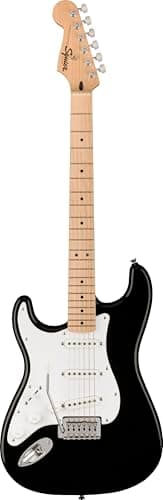
Which instruments are handedness-neutral, why fretted strings are the exception, and the one family where left-handed versions are discouraged.
Picks
Best instruments for coming back to music
What returns fast and what does not, why to buy above the beginner tier this time, and three picks for the most common returns.
Picks
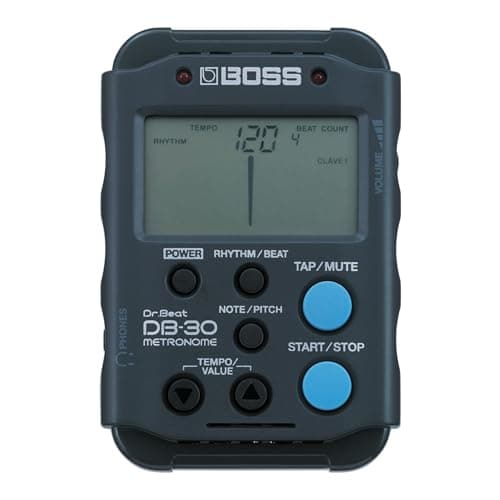
Best metronomes for beginners
Why an app is not always enough, the four specs that matter, and three metronomes from a card-sized digital to a wind-up mechanical.
Picks
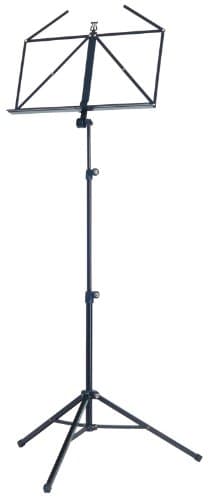
Best music stands for beginners
Why cheap wire stands fail, the three specs that matter, and three stands for home, for school and for carrying.
Picks
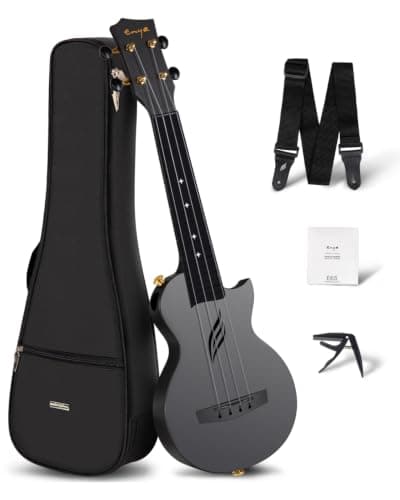
Best instruments for college dorms
Why headphones and footprint decide this, what dorm rules usually forbid, and four instruments that work in a shared room.
Picks
Best instruments for travel
Durability over tone, what airlines and climates do to wooden instruments, and four instruments that genuinely travel.
Picks
Best instruments if you cannot read music
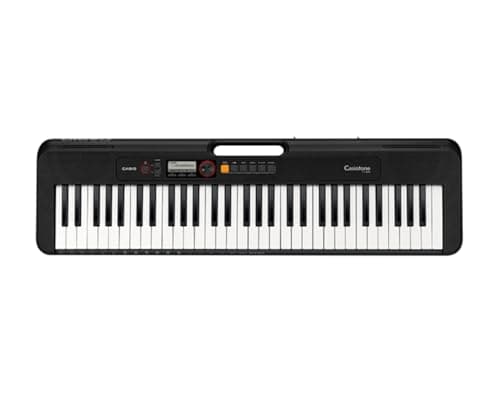
Which instruments have a real alternative to notation, which do not, and three picks for learning without the dots.
Picks
Best instruments for a whole family
What makes an instrument shareable across ages, which ones must be bought per-person, and three picks for a household.
Picks
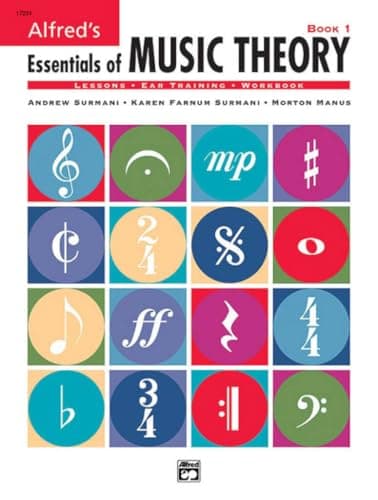
Best music theory books for beginners
Workbook or prose, and how much theory you actually need. Four books with published page counts and contents, including the one that costs double for two CDs nobody can play.
Picks
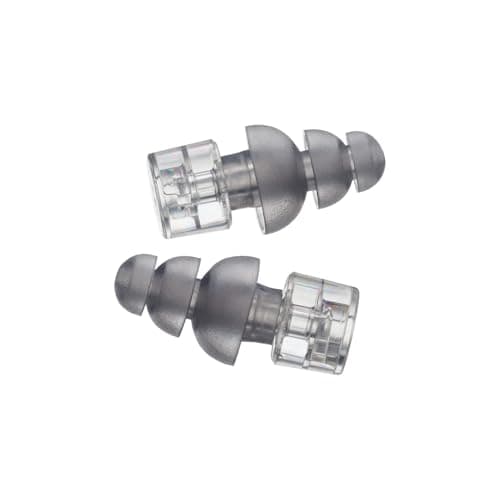
Best stocking stuffers for musicians
Under about twenty-five dollars and useful whatever they play. Four that pass, three that are usually duplicates, and the one segment where you do need to know the instrument.
Picks
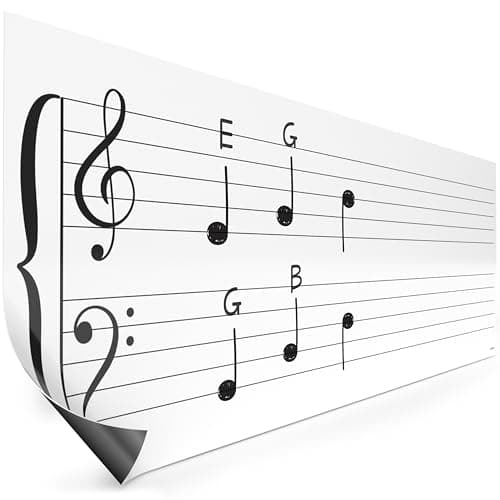
Best gifts for music teachers
Teachers buy their own studio equipment and it shows. Four things they use every lesson, what changes if they travel to students, and why instrument accessories are the wrong instinct.
Top pick: SCRIBBLEDO Magnetic Dry-Erase Music Staff, 45 x 17 inch
$27.99 · View on Amazon#ad How we’re funded
Picks
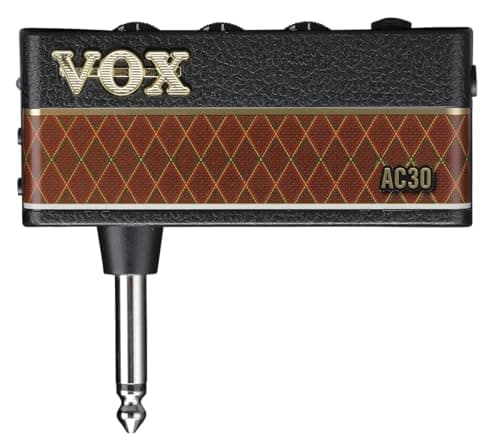
Best gifts for teenage musicians
For a teenager who already plays. Every pick solves the same problem — practicing in a shared house at an unreasonable hour — and none of them is an instrument.
If you already know which instrument you want, skip this page and go straight to the hub for it. This one is for the harder situation: someone in the house wants to play music and nobody has decided what.
The usual advice here is a personality quiz, and it is entertaining and useless. The questions that actually decide are practical, and there are four of them: can the player physically reach the instrument, can it be played in the house at the hours they are free, does the complete purchase fit the budget, and will the first month be rewarding enough to reach the second.
Start with the sound, then apply the filters
The single largest factor in whether someone is still playing in six months is how much they wanted to play that instrument. Beginners do not quit because an instrument was too hard; they quit because the first month was unrewarding and they did not want it enough to push through. Ergonomic advantages do not compensate for a player who is not excited.
So the honest starting point is: what music does this person listen to, and what is carrying the tune in it? Then the four questions act as filters, not overrides.
The reach filter
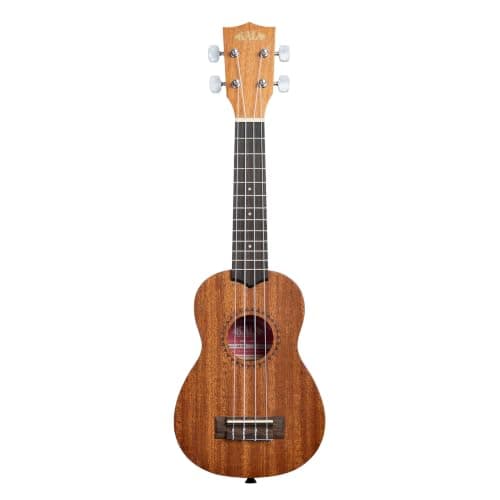
This one disqualifies absolutely rather than by degree. A ukulele works from about four or five. A keyboard from about five. A guitar from about six with a correctly sized instrument. Drums need a kit sized so the pedals are reachable until roughly eleven. A violin needs a measured fractional size set by arm length rather than age.
A child who cannot form a chord shape does not conclude the guitar is too big. They conclude they are bad at guitar, and then they stop. This is the most common and most preventable failure in the whole category.
The noise filter
Underrated, and it decides more purchases than it should be allowed to.
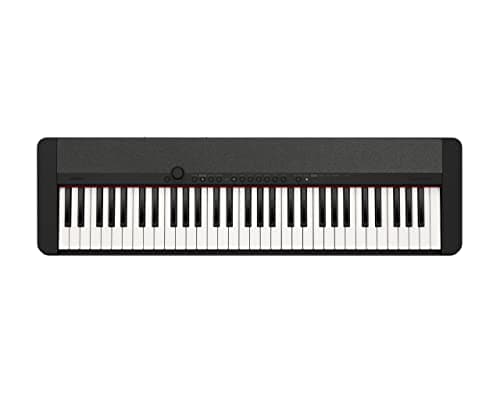
A keyboard and an electric guitar can be practiced silently with headphones at any hour. A ukulele is genuinely quiet. An acoustic guitar has one volume and it carries through a wall. An acoustic drum kit is very loud indeed — loud enough that hearing protection is required for the player, every session.
The arithmetic matters. Twenty minutes every evening is around two and a half hours a week across seven sessions. Two hours on a Saturday afternoon is two hours, once, when the player may not feel like it. The first schedule produces a musician; the second one frequently does not. An instrument that can be played whenever the player is free beats a better instrument they can only use at weekends.
The budget filter, which is not the sticker price
What varies between instruments is not the cost of the instrument. It is the cost of everything else needed to make it usable.
A ukulele is the instrument plus a clip-on tuner, and that is genuinely the whole list. An electric guitar needs an amplifier and a cable, which is the most commonly forgotten cost in the category. A keyboard needs a stand, a bench, a sustain pedal and headphones — not optional extras, but the things that make it playable at the correct height. A drum kit is about fifteen separate items, and one sold without hardware cannot be played at all.
Every instrument hub here has its own cost page, and they all use the same four-band framework, so reading one teaches you how to read the rest.
The Starter Path, applied to any instrument
Below the floor
The instrument fails at something the player physically needs — it will not hold a tuning, the action is too high to fret, the pedal is out of reach, the keys do not respond to how hard you press. This is not a cheaper version of the instrument. It is a different, worse thing that teaches a beginner they cannot play.
The honest floor
The cheapest configuration that genuinely works, defined by a checkable list of specifications rather than by a price. Nothing spare and nothing missing. Most first-time buyers should land here and put the difference toward lessons.
Enough
Buy-once. A beginner will not outgrow an instrument from this band inside a year or two, and many people never replace theirs at all.
Where overspending starts
The point at which more money buys capability a beginner cannot yet use. All real improvements, all inaudible in the first year. Naming this band is what makes the other three credible — a site that only ever argues upward is a sales page.
The words you will run into
- Action
- How high the strings sit above the fingerboard. High action needs more finger force and is the most common reason a cheap stringed instrument feels hard to play.
- Scale length
- The vibrating length of a string, which sets how far apart the frets are. It is the number that decides whether a player can reach a chord shape.
- Touch response
- On a keyboard, whether playing harder makes it louder. Without it the instrument cannot teach dynamics at all.
- Setup
- Adjusting an instrument's neck relief and string height after it leaves the factory. The highest-return money in most first purchases.
- Intonation
- Whether an instrument plays in tune along the whole neck, not just at the open strings. Poor intonation on a cheap instrument usually cannot be corrected.
If this is not the right instrument
- Guitars →
The most-wanted first instrument and the hardest first month.
- Keys →
The most transferable foundation, and the quietest to practice.
- Ukuleles →
The fastest route from nothing to a real song.
- How we pick →
The method behind every recommendation here, including what we refuse to claim.