Beginner band instruments
The one family where our honest advice is usually not to buy anything yet. Here is why, and what to do instead.
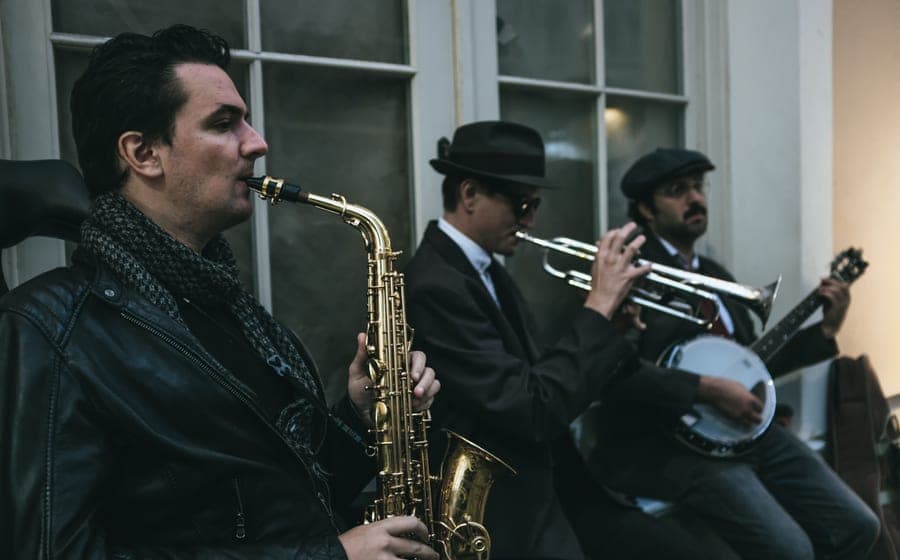
Everything in band & orchestra
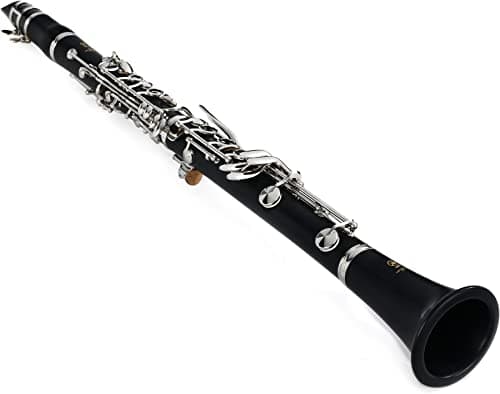
Guide
Choosing a school band instrument
Which instrument suits which child, what school rental covers, and the honest case for not buying in year one.
Guide
The easiest band instruments to learn
Ranked by time to a reliable first note, with what embouchure is and why it decides the ranking.
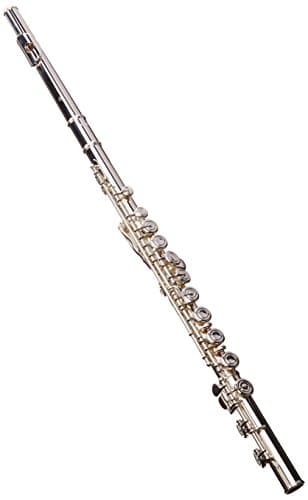
Guide
Renting vs buying a school band instrument
Why year one is a rental year, what programs cover, the maintenance nobody warns you about, and when buying starts to win.
Picks
Best beginner flutes
Closed-hole and offset G explained, the split E mechanism, and the two picks for a year-two step-up.
Picks
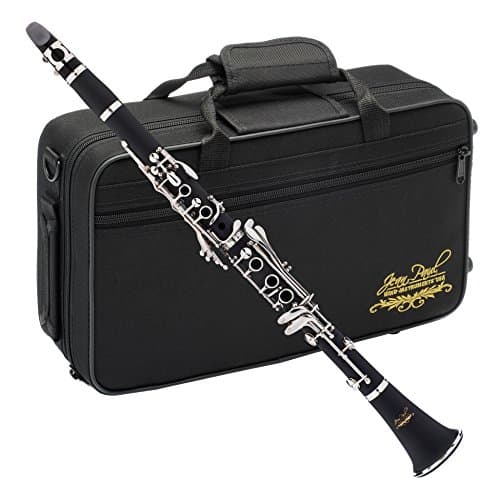
Best beginner clarinets
Why resin beats wood for a student, what a 65mm barrel does for intonation, and two picks for the year-two step-up.
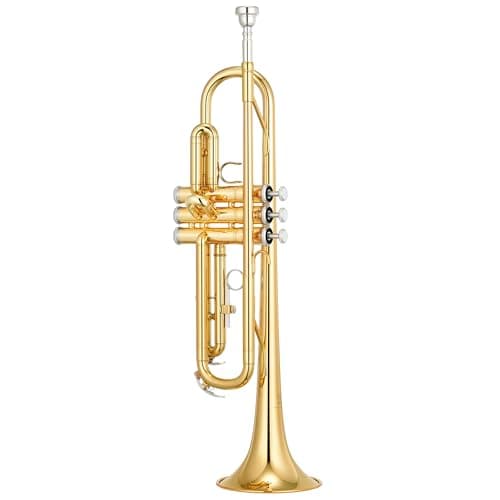
Picks
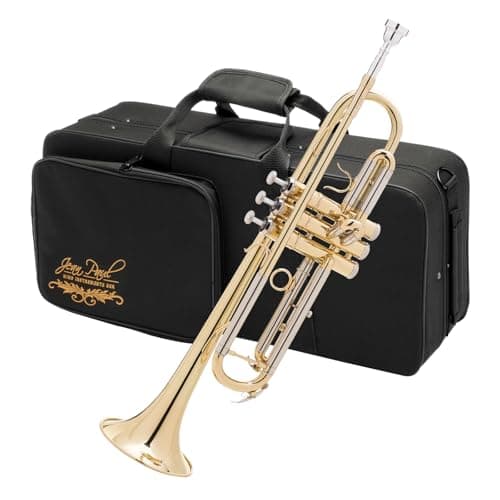
Best beginner trumpets
Bore size, monel versus stainless valves, the third valve trigger, and two picks for when buying is right.
Picks
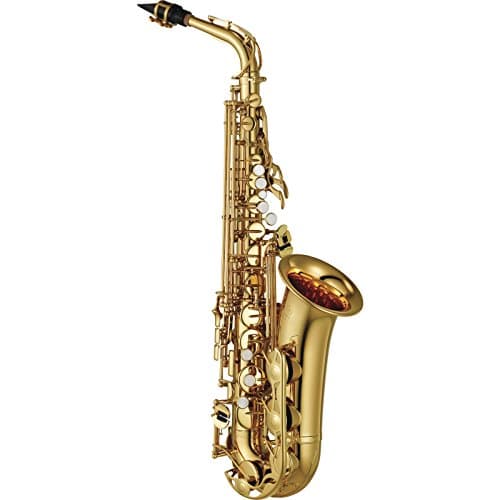
Best beginner saxophones
Why alto is the beginner size, the ergonomic details that matter at eleven, and two picks for when buying is right.
Comparison
Flute or clarinet for a first band instrument?
Embouchure versus reeds, the first-two-weeks failure on each, running costs, and which suits smaller players.
Comparison
Saxophone or clarinet to start on?
Weight and reach, the register break, cost per instrument, and why starting on clarinet makes the saxophone easier later.
Comparison
Trumpet or saxophone for a beginner?
Embouchure versus fingering, weight and reach, running costs, and how each one sounds in the first six months.
Comparison
Woodwind or brass for a first band instrument?
How each family produces sound, what that means for the first month, running costs, and how each suits different students.
Guide
How to clean a band instrument
The two-minute after-playing routine per family, what happens when it is skipped, and the jobs that belong to a technician.
Guide
Reeds, and why they decide how hard playing feels
What reed strength means, why beginners start soft, how to rotate a set, and the signs a reed is finished.
Picks
Best band instruments for smaller players
The physical constraint on each band instrument, which ones suit a small player, and the picks that fit without compromise.
Guide
What a school band instrument should cost
The four Starter Path bands applied to band instruments, the specific way ultra-cheap ones fail, and the real cost of year one.
Picks
Step-up band instruments for year two
What separates a step-up from a budget instrument, the timing that makes the purchase sensible, and the pick for each section.
Picks
Best harmonicas for beginners
Diatonic versus chromatic, why key of C, what bending is and why it decides the purchase, and two harps compared honestly.
Picks
Best first wind instruments for adults
Why adults should skip the rent-first rule, which wind instrument suits which adult, and the picks worth buying outright.
Guide
Is the saxophone hard to learn?
Why the first note comes easily, the three things that actually take time, and a realistic stage-by-stage timeline.
Picks
Best marching band instruments for beginners
What marching adds to a beginner's load, which instruments carry well, and why most programs supply the heavy ones.
Comparison
Flute or saxophone for a beginner?
Reed versus airstream, the weight problem, the reed budget, and which suits a smaller or a louder player.
Guide
Which harmonica key should you buy?
Why key of C first, what straight harp and cross harp mean, and a sensible order for buying your second and third harmonicas.
Guide
Is trumpet hard to learn?
Why the embouchure is the whole difficulty, how long the first weeks take, and what a beginner should actually buy while they find out.
Comparison
Clarinet vs trumpet for beginners
Sound production, fingering load, home volume, running costs and reassignment risk, compared for a student choosing a first band instrument.
Picks
Best beginner trombones
What bore size means for a beginner, why slide material is the spec to check, and three trombones with honest limits stated.
Comparison
Trombone vs trumpet for beginners
Valves against a slide, what each demands physically, cost and carrying, and which instrument suits which beginner.
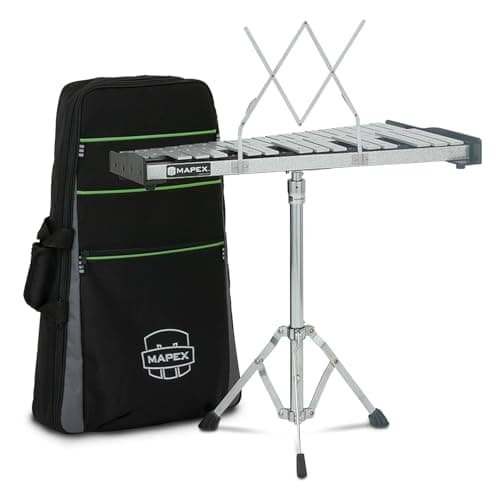
Picks
Best percussion kits for school band
What a school percussion supply list actually asks for, what 2.5 octaves means, and two kits with published contents.
Comparison
Yamaha vs Jean Paul for a first band instrument
What the Yamaha premium actually buys across flute, clarinet, trumpet and sax, and when Jean Paul is the sensible purchase.

Picks
Best recorders for beginners
Baroque versus German fingering is the whole decision, and it is printed in the model number. What the windway and the tonehole count change, and three recorders on published specs.
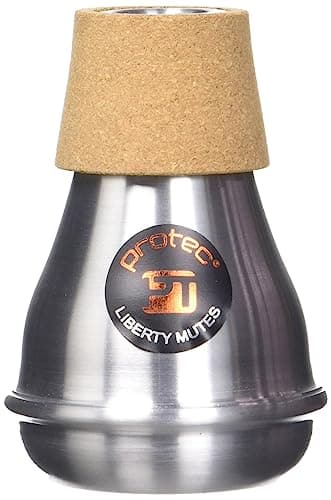
Picks
Best practice mutes for brass instruments
Back-pressure is the specification that matters, not how quiet it gets. Why a free-blowing mute beats a silent one for a student, and three mutes for trumpet and trombone.
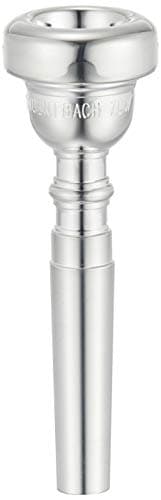
Picks
Best trumpet mouthpieces for beginners
Bach 7C against 5C against 3C, with the published cup diameters that separate them, plus where the Yamaha equivalent fits. Why the mouthpiece upgrade that costs nothing extra is the one to resist.
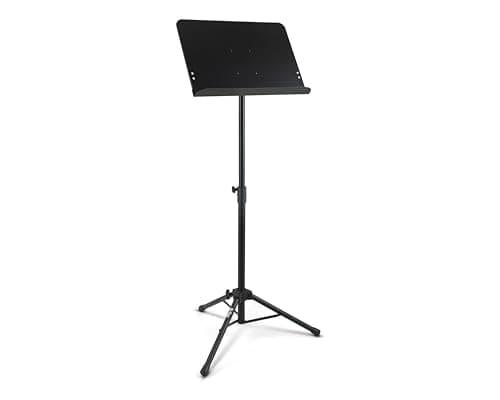
Picks
Best gifts for band students
Woodwind, brass and percussion need completely different accessories. The one gift that works for all three, the two that are family-specific, and what to avoid on a rented instrument.
Picks
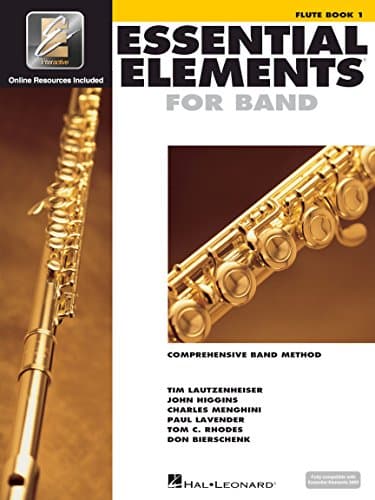
Best flute books for beginners
The band-class method and the specialist tone method do different jobs, and a flute beginner needs the second one more than any other wind player. Three books on published details.
Picks
Best brass instruments for beginners
Trumpet and trombone are the only brass instruments with a student model you can check on paper. Horn, baritone and tuba have no honest beginner purchase — rent those — and what separates trumpet from trombone is fingering against intonation.
Picks
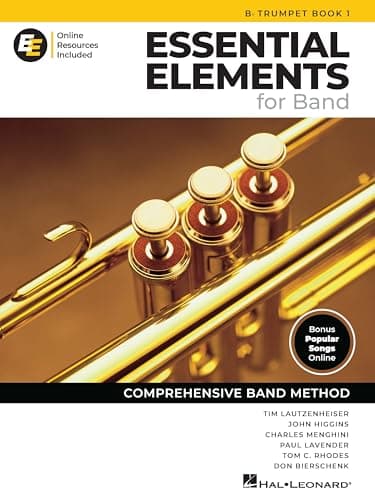
Best trumpet books for beginners
Buy the method the band class uses, then add the one that gives a student something to practice alone. Three books, their page counts, and which one is not a first book.
Top pick: Essential Elements for Band — Bb Trumpet Book 1 (2025 Edition)
$12.01 · View on Amazon#ad How we’re funded
Picks
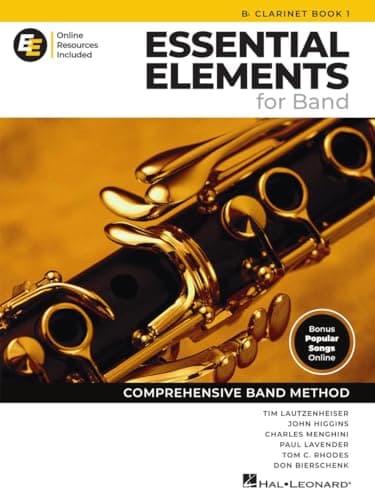
Best clarinet books for beginners
Clarinet is the largest beginning-band section, so the method is usually assigned. Three books on published page counts, and which one explains the most.
Top pick: Essential Elements for Band — Bb Clarinet Book 1 (2025 Edition)
$14.99 · View on Amazon#ad How we’re funded
Picks
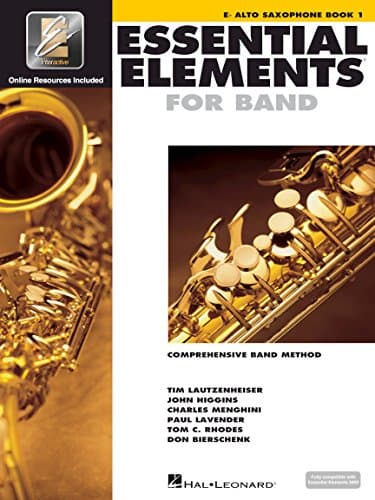
Best saxophone books for beginners
Three alto saxophone methods compared on published page counts and editions, plus why the reed in the box matters more than which book you bought.
Top pick: Essential Elements for Band — Eb Alto Saxophone Book 1
$12.99 · View on Amazon#ad How we’re funded
Picks
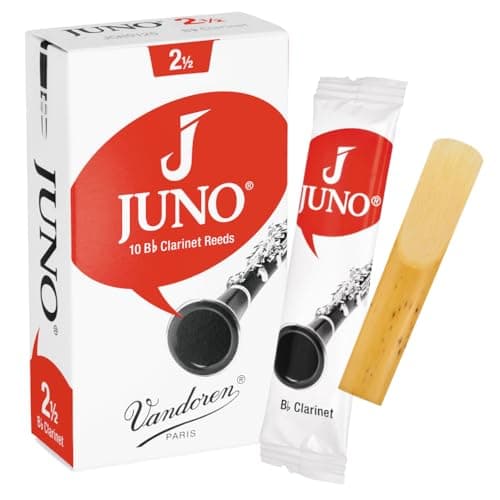
Best reeds for beginners
Strength 2.5 is the usual school default, student-cut reeds are easier than professional ones at the same number, and clarinet and sax reeds are not interchangeable. Four boxes.
Top pick: Vandoren JUNO Bb Clarinet Reeds, Strength 2.5, Box of 10
$23.50 · View on Amazon#ad How we’re funded
Guide
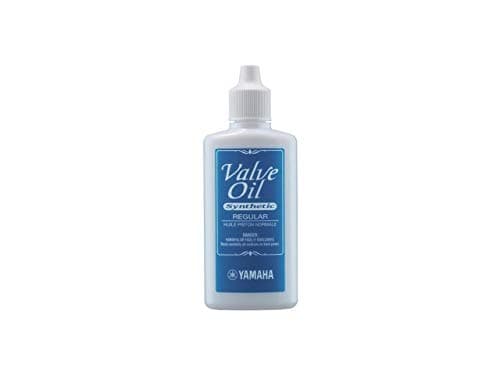
Trumpet accessories you actually need
Valve oil is the one mandatory purchase, a care kit is the one that prevents a repair bill, and a practice mute is the one that keeps the neighbors. In priority order.
Picks
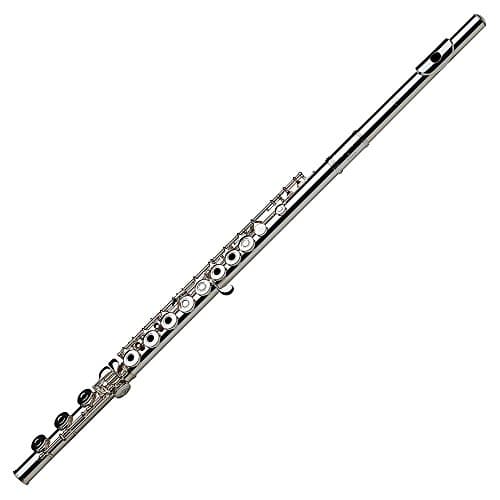
Best step-up flutes
Open hole, offset G and a B footjoint are available at every price tier, so they are configuration rather than upgrade. Sterling silver is the one that changes the sound. Three picks on published specs.
This is the one hub on the site where our advice is usually not to buy anything yet, and it is worth saying that plainly at the top rather than burying it under recommendations.
Rent in year one
Four reasons, and they compound.
Reassignment is normal and it is good. A band director has to produce a balanced ensemble out of a room of eleven-year-olds, which means moving students between sections in the first weeks. A child who wanted trumpet may end up on baritone horn because the band has six trumpets and no low brass. A child who wanted flute may move to clarinet because their embouchure suits it better. That is routine, and it is expensive if you already bought the trumpet.
Physical fit is not knowable in advance. Brass instruments depend on embouchure, which depends on lip shape, teeth and bite. Some children produce a note on a trumpet in ten minutes; others struggle for weeks with the identical instrument. Woodwind depends on finger reach and hand size, and a saxophone is both heavy and widely spread.
Maintenance is included and it is not trivial. Woodwind instruments have pads that seal the tone holes and corks that seal the joints. Both are consumable, both fail gradually rather than suddenly, and a child will not report a slowly worsening leak — they will simply find the instrument harder to play. A rental program handles this; an owned instrument means finding a technician.
Attrition is real and that is fine. A meaningful share of children who start band do not continue past the first year or two. Renting turns that into a canceled subscription rather than an instrument in a closet.
Which instrument, if you get to choose
Time to a first note varies enormously across the band sections, and it is the factor most likely to determine whether a beginner enjoys the first term.
Percussion is immediate, because there is no embouchure at all — the work is reading and timing. Clarinet and saxophone produce a note within days. Flute takes days to weeks, and getting any note at all is the first real hurdle. Brass instruments — trumpet, trombone, French horn — take weeks, because an embouchure is a set of lip and facial muscles that has to be built before a reliable note exists.
None of that makes brass a worse choice. It makes it a worse choice for a child who needs an early win, which is a different statement. The comparison in full is in choosing a school band instrument.
Ask the band director first
Before deciding anything, ask them four questions. They have watched several hundred eleven-year-olds start and you have watched one.
Which sections does the band actually need? A child in an under-filled section gets more attention, more playing time and more opportunity, and that matters more to their experience than which instrument it is. Does my child physically suit anything in particular? What does the rental program include, specifically maintenance and specifically whether payments apply toward a purchase later? And when should we buy?
When buying makes sense
In year two or three, once the instrument has settled and the child has clearly decided to continue. At that point buying is generally cheaper than continuing to rent and a step-up instrument is a genuine improvement they will notice.
Also when the school has no rental program — some do not. In that case ask the director for a specific model recommendation rather than shopping alone, because band instruments have a much wider quality spread than guitars and the cheap end includes instruments that genuinely cannot be played in tune.
And for percussion, which is the exception: school percussionists usually use school-owned kit for the large instruments and are expected to own a practice pad and sticks, which is a small purchase. Our practice pad guide covers what a pad is for and what it teaches.
If band is not the right fit
Band is a specific arrangement: a school program, an ensemble, a fixed schedule. Plenty of children want to play music and not that. Our first-instrument guide for children compares guitar, keys, ukulele and drums on physical fit, and the strings hub covers the orchestral route.
The words you will run into
- Embouchure
- The set of lip and facial muscles used to produce a note on a wind instrument. It has to be built over weeks and it is why brass takes longest to a first note.
- Pads
- The felt-and-leather discs that seal a woodwind instrument's tone holes. They are consumable and a slow leak makes the instrument progressively harder to play.
- Outfit / rental
- A school rental typically covers the instrument, a case and maintenance, and often applies payments toward a later purchase.
- Step-up instrument
- The intermediate tier bought in year two or three, once a student has committed. A genuine improvement a continuing player will notice.
- Section
- A group of the same instrument within the band. A child in an under-filled section gets more playing time and more attention.
If this is not the right instrument
- Strings →
The orchestral route, where the same measure-before-you-buy discipline applies.
- Start Here →
If band is not the right shape, work through the four questions instead.
- How we pick →
The method behind every recommendation here, including what we refuse to claim.