Guitars
Best guitars for teenagers
The awkward size bracket: too big for a three-quarter instrument, not always comfortable with a full dreadnought, and old enough to care intensely what it looks like.
By Sawyer V. · Published · Last updated
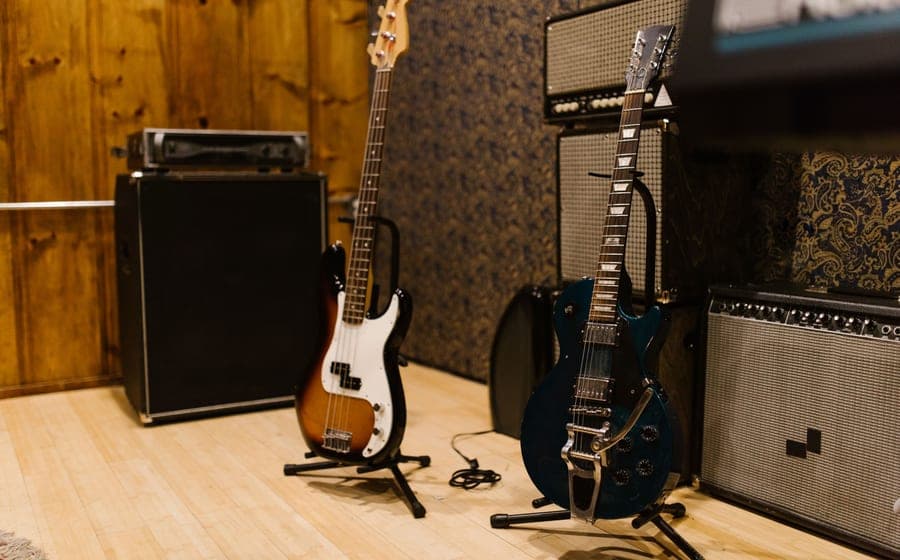
Teenagers sit in the one size bracket nobody writes a page for. They are too big for the three-quarter instruments in the children’s roundups and they are not always comfortable with the full-size bodies in the adult ones, and they care about how the guitar looks in a way that eight-year-olds and forty-year-olds do not.
Every pick states its Starter Path band, and we have not physically tested any of them — the method is on how we pick.
Buy full size. A Squier Affinity Stratocaster is the default: full 25.5 inch scale, medium jumbo frets, sealed tuners and a synthetic bone nut. For heavier music the Yamaha Pacifica PAC012 adds a bridge humbucker. For acoustic, check body size against the player before buying a dreadnought.
Scale length is settled; body size is not
By around twelve or thirteen, most players have the arm and hand reach for a full 25.5 inch scale. Buying a three-quarter instrument at that age means buying again inside a year, and it means a smaller-sounding guitar in the meantime. The sizing chart, if you want to check rather than assume, is in guitar sizes for kids.
Body size is the part that is genuinely still open. A full dreadnought acoustic like the Yamaha FG800#ad is 412 mm across and up to 118 mm deep, and a smaller fourteen-year-old has to reach over that box to strum. It is not a reach problem on the neck; it is a shoulder problem on the body, and the neck measurements that dominate listings say nothing about it.
Electric bodies do not have this issue — they are thin and contoured — which is one quiet reason electrics suit this age group better than the acoustic-first advice suggests.
The default: Squier Affinity Stratocaster
The Squier Affinity Series Stratocaster#ad is what we would buy without more information. Full 25.5 inch scale, a 9.5 inch fingerboard radius, a 1.65 inch synthetic bone nut, and medium jumbo frets.
That fret wire is the reason it beats the tier below rather than the badge. Medium jumbo frets are taller, so a clean note takes less downward force than narrow tall wire does, and less force is exactly what a player in their first year needs. The geometry is otherwise identical to the cheaper Sonic — the step up buys hardware and fretwire, not a different instrument.
If the budget is tight, the Squier Sonic Stratocaster#ad is not a compromise. It has the same scale, the same radius and the same nut material, and nothing about it will make the first year harder.
If they listen to heavier music
This matters more at fifteen than at any other age, and pretending otherwise gets the guitar left in its case.
The Yamaha Pacifica PAC012#ad has an HSS pickup layout — a humbucker at the bridge, single coils elsewhere — and 22 frets rather than 21. The bridge humbucker is what produces a thick, distorted rock sound without swapping pickups later, and the single coils keep the clean sounds available.
It has a flatter 350 mm fingerboard radius than a Stratocaster, which suits chord playing and feels genuinely different. It is Strat-shaped and it is not a Strat; that is a feature, not a flaw, but worth knowing if a friend’s Stratocaster is the reference point. Why pickup type changes the instrument this much is in guitar pickups explained.
If they want an acoustic
The FG800 is the default acoustic on this site for a reason: a solid Sitka spruce top with scalloped bracing at the entry tier, where almost everything else is laminate. A solid top is the one acoustic specification that changes over years rather than staying fixed.
Check the body against the player first. If the dreadnought is too much guitar, a concert or folk-size body with the same neck is the fix, and the shape differences are explained in guitar body shapes explained.
Why a solid top is worth paying for is in solid top versus laminate guitars.
The thing that decides whether it gets played
Not the specification. Whether it sounds like the music they already listen to.
A teenager with a guitar that cannot make the sound in their headphones will conclude, quietly, that they are not good at guitar. A teenager with an instrument that gets close practices without being asked. At this age, matching the instrument to the music is not indulgence; it is the single highest-leverage decision in the purchase.
The wider question of which instrument suits a teenager at all is in best instruments for teenagers.
What you still need
For an electric: an amplifier with a headphone socket, a cable and a tuner. The headphone socket is not a luxury in a house with other people in it, and it is the difference between practice happening at nine in the evening and not happening at all. Picks in best beginner guitar amps.
For either: a stand, so the guitar lives in the room rather than under the bed. The full list is in guitar accessories you actually need.
Quick picks
The one to buy
Full 25.5 inch scale with medium jumbo frets, which are noticeably easier to fret cleanly than the narrow tall wire a tier down.
| # | Product | Best for | Score | Price |
|---|---|---|---|---|
| 1 | No image Squier Affinity Series StratocasterSame geometry as the Sonic with medium jumbo frets and better hardware. | Buy once, adult starterEnough | 8.6 | Check price on Amazon → #ad How we’re funded |
If they want heavier music
An HSS layout with a bridge humbucker and 22 frets, so one guitar covers clean playing and distorted rock without a pickup swap.
| # | Product | Best for | Score | Price |
|---|---|---|---|---|
| 1 | No image Yamaha Pacifica PAC012An HSS layout and 22 frets at the entry tier. | One guitar, several stylesThe honest floor | 8.3 | Check price on Amazon → #ad How we’re funded |
If they want an acoustic
A solid Sitka spruce top with scalloped bracing. Check the body size against the player before committing to a full dreadnought.
| # | Product | Best for | Score | Price |
|---|---|---|---|---|
| 1 | No image Yamaha FG800A solid Sitka spruce top with scalloped bracing at the entry price. | Buy once, acousticEnough | 8.8 | Check price on Amazon → #ad How we’re funded |
The picks in full
Squier Affinity Series Stratocaster
Squier by FenderBest for: Buy once, adult starter
Same geometry as the Sonic with medium jumbo frets and better hardware. This is the tier where a beginner stops having a reason to upgrade.
Published specifications
- Scale length:
- 25.5" (648 mm) — full size
- Body / neck:
- Poplar body, maple neck, "C" profile
- Fingerboard:
- Maple, 9.5" (241 mm) radius
- Frets:
- 21, medium jumbo
- Nut width:
- 1.650" (42 mm), synthetic bone
What it gets right
- Medium jumbo frets are noticeably easier to fret cleanly than narrow tall wire, which is the physical thing a beginner struggles with
- Identical scale, radius and nut width to the Sonic, so the step up is hardware, not geometry
- Widely serviced — any shop can set one up without ordering parts
Where it gives ground
- The jump from the Sonic buys hardware and fretwire, not tone
- Still a poplar body; if you are chasing a specific sound this is not the guitar that delivers it
What it is not good at
Justifying itself over the Sonic on paper. The difference is real but it is felt, not read — if the budget is tight, the Sonic is not a compromise.
How the specs score against a beginner’s needs
Scores are our reading of the published specifications above against what a beginner physically needs. They are not test results — we have not played this instrument.
Specifications from Reverb — Squier Affinity Series Stratocaster specs.
Yamaha Pacifica PAC012
YamahaBest for: One guitar, several styles
An HSS layout and 22 frets at the entry tier. The humbucker at the bridge means one guitar covers both the quiet and the loud thing a beginner wants to try.
Published specifications
- Scale length:
- 25-1/2" (648 mm) — full size
- Body:
- Solid agathis, bolt-on construction
- Neck:
- Maple, 22 frets
- Fingerboard radius:
- 13-3/4" (350 mm) — flatter than a Strat
- Pickups:
- Humbucker / single / single (HSS)
- Nut:
- Urea
What it gets right
- 22 frets rather than 21, and a flatter 350 mm radius that suits chord playing
- The bridge humbucker covers distorted rock without a pickup swap later
- Yamaha's entry instruments are consistently well set up out of the box for the tier
Where it gives ground
- Agathis is a soft, plain body wood; the finish marks easily
- The flatter fingerboard radius is a real difference from a Strat — if a friend's Strat is the reference, this will feel different
What it is not good at
Being a Stratocaster. It is Strat-shaped and it is not one; the radius and the bridge pickup make it its own thing. That is a feature, but do not buy it expecting a Fender feel.
How the specs score against a beginner’s needs
Scores are our reading of the published specifications above against what a beginner physically needs. They are not test results — we have not played this instrument.
Specifications from Yamaha USA — PAC012 specifications.
Yamaha FG800
YamahaBest for: Buy once, acoustic
A solid Sitka spruce top with scalloped bracing at the entry price. Solid-versus-laminate is the one acoustic spec that changes what the instrument does over years, and this is the cheapest place to get it done right.
Published specifications
- Top:
- Solid Sitka spruce
- Back / sides:
- Nato / okume
- Neck / fingerboard:
- Nato neck, rosewood fingerboard, R400 mm (23-5/8") radius
- Scale length:
- 650 mm (25-9/16")
- Nut width:
- 43 mm (1-11/16")
- Bracing:
- Scalloped
- Body:
- Traditional Western (dreadnought), 412 mm (16-1/4") wide, 100-118 mm deep
- Hardware:
- Die-cast chrome tuners, urea nut and saddle
What it gets right
- A solid top, not a laminate — the only acoustic spec at this price that genuinely changes over time
- Scalloped bracing and die-cast tuners are specifications you normally pay considerably more for
- Yamaha's most-copied entry acoustic; parts, setups and advice are everywhere
Where it gives ground
- A full dreadnought body is a big box — 412 mm across and up to 118 mm deep
- Nato and okume back and sides are the cost saving; the top is where the money went
What it is not good at
Fitting a smaller player. The dreadnought body is wide and deep enough that a young teenager can struggle to get their arm over it comfortably. If that is the buyer, look at the JR1 or a concert-size body instead.
How the specs score against a beginner’s needs
Scores are our reading of the published specifications above against what a beginner physically needs. They are not test results — we have not played this instrument.
Specifications from Yamaha Europe — FG/FS800 series specifications.
Squier Sonic Stratocaster
Squier by FenderBest for: The honest floor, electric
The cheapest electric that still has full-scale geometry, sealed tuners and a real 9.5 inch fingerboard radius. Nothing about it will make a beginner's first year harder.
Published specifications
- Scale length:
- 25.5" (647.7 mm) — full size
- Body / neck:
- Poplar body, maple neck, "C" profile
- Fingerboard:
- Maple or Indian laurel, 9.5" (241 mm) radius
- Frets:
- 21, narrow tall
- Nut width:
- 1.650" (42 mm), synthetic bone
- Pickups:
- Three ceramic single-coils (SSS)
- Bridge:
- 6-saddle vintage-style synchronized tremolo
What it gets right
- Full 25.5 inch scale, so nothing learned here has to be relearned later
- Synthetic bone nut rather than a soft plastic one — the part that decides whether a cheap guitar stays in tune
- Sealed-gear tuners, which is the single most important spec on a first electric
Where it gives ground
- Poplar body and ceramic pickups are exactly what you would expect at this tier
- The tremolo bridge will pull the guitar out of tune if a beginner uses it, and beginners always use it
What it is not good at
Staying in tune if you use the whammy bar. If that matters, buy the hardtail (HT) version of the same guitar instead — it is the identical instrument with the tremolo deleted.
How the specs score against a beginner’s needs
Scores are our reading of the published specifications above against what a beginner physically needs. They are not test results — we have not played this instrument.
Specifications from Squier Wiki — Sonic Stratocaster specifications.
Questions people actually ask
What size guitar does a teenager need?
Almost always full size. By around twelve or thirteen most players have the reach for a 25.5 inch scale, and buying a three-quarter instrument at that age means buying again within a year.
Is a Squier good for a teenager?
Yes. The Affinity Stratocaster has full-scale geometry, sealed tuners, a synthetic bone nut and medium jumbo frets, and nothing about it will make the first year harder than it needs to be.
Should a teenager start on electric or acoustic?
Whichever matches the music they listen to. At this age motivation is the binding constraint, and an instrument that sounds like the records they play is the one that gets practiced.
Is a dreadnought too big for a teenager?
Sometimes. A full dreadnought is 412 mm across and up to 118 mm deep, and a smaller teenager can struggle to get their strumming arm over it even when the scale length suits them fine. Check the body, not just the neck.
Sources
Still deciding?
Every recommendation on this site is built the same way, and the method is published in full — including what we do not do and what would get a pick dropped.
Read next
- Best guitars for kids: sized by reach, not by age
Segmented by age band with real scale lengths and body dimensions, plus why buying big to grow into reliably backfires.
- Best guitars for adult beginners
Why adults should skip the entry tier, four picks covering electric and acoustic, and the body size question nobody warns adults about.
- What size guitar does a child need?
Age and height chart with real scale lengths, the ten-second fit check, and why height beats age every time.
- Best instruments for a teenager to start
Four picks matched to what teenagers actually want to play, plus the noise and cost problems that end teenage instruments.
- Best beginner electric guitars: what's worth it from $150 to $400
Segmented by player and price band, with the three specs that actually decide whether a first electric survives its first year.