Guitars
Yamaha Pacifica vs Squier Stratocaster
The two default first electrics, and they are not the same guitar. The pickup layout decides what music comes easily out of each one.
By Sawyer V. · Published · Last updated
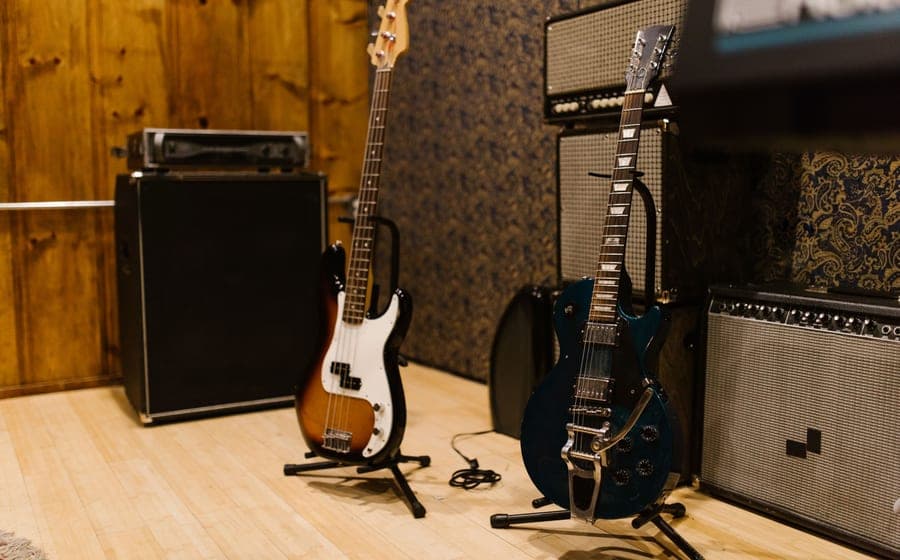
Walk into a shop with a beginner budget and these are the two guitars on the wall. They look similar enough that most people choose on color. They are actually built around different ideas, and the difference shows up the first time the amp is turned up.
We have not played either. This is our reading of published specifications; the method is on how we pick.
Buy the Yamaha Pacifica PAC012#ad if the player likes rock, metal or anything with heavy distortion: the bridge humbucker is built for it. Buy the Squier Sonic Stratocaster#ad if they want the classic single-coil sound, or if the guitar needs to look like the one in their head.
The pickup layout is the decision
The Pacifica is HSS: a humbucker at the bridge, single-coils in the middle and neck. The humbucker is two coils wired to cancel hum, which gives a thicker, louder output that holds together under distortion.
The Squier is SSS: three single-coils. Brighter, more detailed, and the sound of a very large share of recorded music. Single-coils also hum, especially near computer monitors and dimmer switches, and they thin out under heavy gain.
For a beginner who already knows they want to play heavy music, that one specification settles it. For everyone else, it is closer than the internet suggests. What each pickup type actually does is in guitar pickups explained.
The other differences
Frets: 22 on the Pacifica, 21 on the Sonic. A small practical difference, and not one a first-year player will meet.
Fingerboard radius. The Pacifica is flatter at about 13.75 inches against the Squier’s 9.5. A flatter board suits chording and bending without fretting out; a rounder board feels more familiar to anyone who has played a Fender-style guitar. Neither is better, and the Pacifica will feel noticeably different if a friend’s Strat is the reference point.
Body wood. Agathis on the Pacifica, poplar on the Squier. Both are soft, plain and unremarkable at this tier. Agathis marks easily.
Nut. Urea on the Pacifica, synthetic bone on the Squier. Both are proper materials rather than soft plastic, which is the thing that matters.
What they share
Full 25.5 inch scale, so neither suits a small child. Bolt-on necks, so both are easy to service. Vintage-style tremolo bridges that will pull the tuning when used, on both. And both need an amp before they make a sound anybody wants to hear — that decision is in do you need an amp for electric guitar.
Who should buy which
Pacifica: the player who wants one guitar to cover several styles, the teenager learning riffs from records, and anyone who already owns a distortion-heavy amp.
Squier Sonic: the player who wants the archetypal electric guitar sound and shape, and the buyer who wants the cheapest instrument that still has honest geometry and hardware.
If the decision is really about which brand to trust at this price, the three-way version is in Squier vs Epiphone vs Yamaha. If it is about which Squier, see Squier Sonic vs Affinity.
What we would buy
Yamaha Pacifica PAC012
YamahaBest for: One guitar, several styles
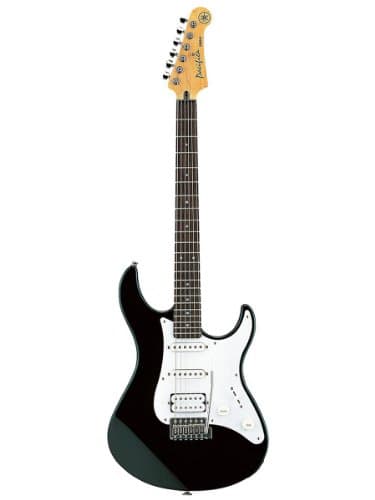
An HSS layout and 22 frets at the entry tier. The humbucker at the bridge means one guitar covers both the quiet and the loud thing a beginner wants to try.
Published specifications
- Scale length:
- 25-1/2" (648 mm) — full size
- Body:
- Solid agathis, bolt-on construction
- Neck:
- Maple, 22 frets
- Fingerboard radius:
- 13-3/4" (350 mm) — flatter than a Strat
- Pickups:
- Humbucker / single / single (HSS)
- Nut:
- Urea
What it gets right
- 22 frets rather than 21, and a flatter 350 mm radius that suits chord playing
- The bridge humbucker covers distorted rock without a pickup swap later
- Yamaha's entry instruments are consistently well set up out of the box for the tier
Where it gives ground
- Agathis is a soft, plain body wood; the finish marks easily
- The flatter fingerboard radius is a real difference from a Strat — if a friend's Strat is the reference, this will feel different
What it is not good at
Being a Stratocaster. It is Strat-shaped and it is not one; the radius and the bridge pickup make it its own thing. That is a feature, but do not buy it expecting a Fender feel.
How the specs score against a beginner’s needs
Scores are our reading of the published specifications above against what a beginner physically needs. They are not test results — we have not played this instrument.
Specifications from Yamaha USA — PAC012 specifications.
Squier Sonic Stratocaster
Squier by FenderBest for: The honest floor, electric
The cheapest electric that still has full-scale geometry, sealed tuners and a real 9.5 inch fingerboard radius. Nothing about it will make a beginner's first year harder.
Published specifications
- Scale length:
- 25.5" (647.7 mm) — full size
- Body / neck:
- Poplar body, maple neck, "C" profile
- Fingerboard:
- Maple or Indian laurel, 9.5" (241 mm) radius
- Frets:
- 21, narrow tall
- Nut width:
- 1.650" (42 mm), synthetic bone
- Pickups:
- Three ceramic single-coils (SSS)
- Bridge:
- 6-saddle vintage-style synchronized tremolo
What it gets right
- Full 25.5 inch scale, so nothing learned here has to be relearned later
- Synthetic bone nut rather than a soft plastic one — the part that decides whether a cheap guitar stays in tune
- Sealed-gear tuners, which is the single most important spec on a first electric
Where it gives ground
- Poplar body and ceramic pickups are exactly what you would expect at this tier
- The tremolo bridge will pull the guitar out of tune if a beginner uses it, and beginners always use it
What it is not good at
Staying in tune if you use the whammy bar. If that matters, buy the hardtail (HT) version of the same guitar instead — it is the identical instrument with the tremolo deleted.
How the specs score against a beginner’s needs
Scores are our reading of the published specifications above against what a beginner physically needs. They are not test results — we have not played this instrument.
Specifications from Squier Wiki — Sonic Stratocaster specifications.
Questions people actually ask
Which is better for rock and metal?
The Pacifica, because of the bridge humbucker. A humbucker handles high-gain distortion with less hum and more thickness than a single-coil, which is why the HSS layout exists.
Which is more versatile?
The Pacifica, on paper: HSS gives you single-coil positions plus a humbucker. The Stratocaster’s three single-coils cover a narrower but very well-known range, which is the sound most people picture when they imagine an electric guitar.
Does the extra fret matter?
Rarely for a beginner. 22 frets against 21 matters if you play lead lines at the very top of the neck, which is a year-three problem, not a first-month one.
Are they the same size?
Effectively yes. Both are full-size 25.5 inch scale instruments, so both are too large for a young child. The body shapes differ slightly but neither is meaningfully lighter.
Which stays in tune better?
Both are adequate and both have the same weak point: a vintage-style tremolo that pulls the tuning if you use it. Buy a hardtail version of either if you have the choice.
Still deciding?
Every recommendation on this site is built the same way, and the method is published in full — including what we do not do and what would get a pick dropped.
Read next
- Best beginner electric guitars: what's worth it from $150 to $400
Segmented by player and price band, with the three specs that actually decide whether a first electric survives its first year.
- Guitar pickups, explained without the jargon
Single-coils versus humbuckers, what the hum actually is, and how to read SSS, HSS and HH against the music you listen to.
- Squier vs Epiphone vs Yamaha for a first guitar
Fender, Gibson and Yamaha lineages compared on the specs that differ: scale length, pickups, fingerboard radius.
- Do you need an amp to learn electric guitar?
What playing unplugged hides, when an amp becomes necessary, and three silent routes for players who cannot make noise.
- Squier Sonic vs Affinity Stratocaster
What the Affinity adds over the Sonic, what stays exactly the same, and which one to buy for a first electric.