Guitars
Squier Affinity P Bass vs Yamaha TRBX174
Both are full-scale PJ basses at the entry tier. The Yamaha gives you four more frets; the Squier gives you the shape every bass player recognizes.
By Sawyer V. · Published · Last updated
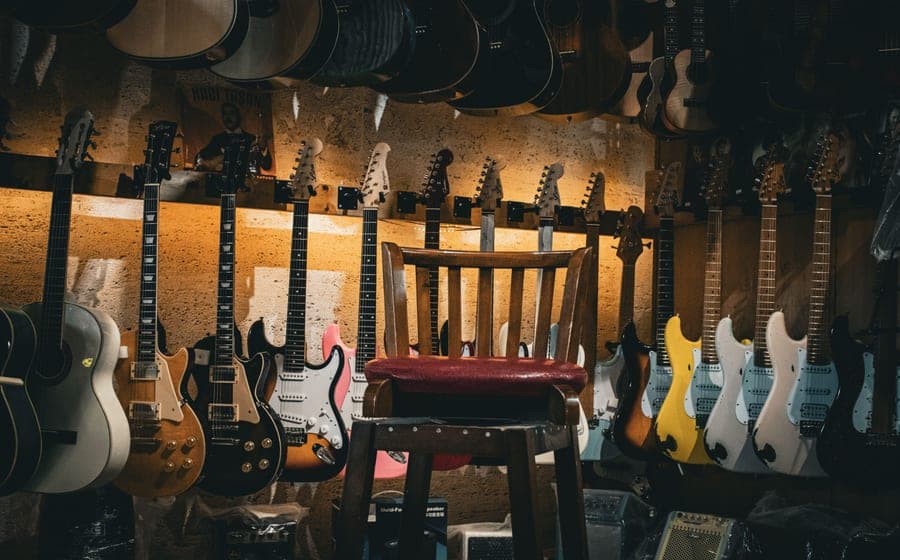
The bass world has fewer beginner options than the guitar world, and these two cover most of it. They are closer than their looks suggest: same scale, same pickup concept, same general price.
We have not played either. This is our reading of published specifications; the method is on how we pick.
Buy the Squier Affinity Precision Bass PJ#ad if you want the standard bass, the one every band and every shop understands, with the easiest resale. Buy the Yamaha TRBX174#ad if you want 24 frets and a mahogany body, or if the Squier’s neck feels chunky in your hands.
What they share
34 inch scale. Full size on both, which is what a bass is. It is a long reach for a small player, and there is no way around it other than a short-scale instrument.
PJ pickups. Split-coil P plus single-coil J on both, with separate volumes and a master tone. That layout is why either bass covers rock, pop, soul and country without a pickup change.
Bolt-on maple necks and chrome hardware. Standard, serviceable, easy to set up anywhere.
Where they differ
Frets: 20 on the Squier, 24 on the Yamaha. Four extra frets is a full extra octave of upper range on the top string. Most beginners never go there; players heading toward funk, slap or lead bass lines eventually do.
Body wood: poplar or alder against mahogany. Mahogany is generally described as warmer and is a step up on paper at this price.
Fingerboard: laurel or maple at 9.5 inch radius against rosewood at 10 inch. A small difference in curvature; the Yamaha is marginally flatter.
Frets and edges. The Squier publishes medium jumbo fretwire and a synthetic bone nut. Both are the right materials at the tier.
Who should buy which
Squier Affinity P Bass: the player who wants the default, the one whose teacher or bandmates will recognize it instantly, and the buyer who cares about resale.
Yamaha TRBX174: the player who wants more range from the start, or who finds Fender-style necks bulky. Yamaha’s entry instruments are also consistently well finished for the price.
Neither, if the player is small or young. A 34 inch scale is unforgiving, and a short-scale bass is the better first instrument — the field is in best beginner bass guitars.
And if the choice between bass and guitar is still open, that is a different and more important decision: it is in guitar vs bass for beginners.
What we would buy
Squier Affinity Precision Bass PJ
Squier by FenderBest for: First bass, most versatile
A full 34 inch scale with both a Precision split-coil and a Jazz bridge pickup, so one bass covers the thick sound and the bright one. The standard first bass for good reason.
Published specifications
- Scale length:
- 34" — full size
- Body:
- Poplar or alder, polyurethane finish
- Neck:
- Maple, "C" shape
- Fingerboard:
- Laurel or maple, 9.5" radius
- Frets:
- 20, medium jumbo
- Nut width:
- 1.5" (38.1 mm), synthetic bone
- Pickups:
- Split single-coil P (middle) + single-coil J (bridge), separate volumes, master tone
- Bridge:
- 4-saddle standard, chrome hardware
What it gets right
- Two pickup voices in one instrument, so a beginner is not locked into a single sound before they know what they want
- 34 inch scale is the standard every bass method book and every bandmate assumes
- Separate volume controls let you blend the two pickups rather than just switching
Where it gives ground
- A 34 inch scale is a long reach at the first fret for a smaller player
- Basses are heavy, and this one is not an exception — a wide strap matters
What it is not good at
Small hands and young players. There is no 3/4 version of this in the line, so a player under about 12 should look at a short-scale bass instead.
How the specs score against a beginner’s needs
Scores are our reading of the published specifications above against what a beginner physically needs. They are not test results — we have not played this instrument.
Specifications from Fender — Affinity Series Precision Bass PJ, Squier Wiki — Affinity Precision Bass PJ.
Yamaha TRBX174
YamahaBest for: 24 frets, more range
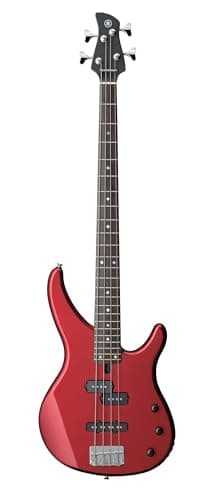
A mahogany-bodied PJ bass with 24 frets rather than the usual 20, which is four extra semitones at the top for anyone who wants to play melodically.
Published specifications
- Scale length:
- 34" — full size
- Body:
- Mahogany
- Neck:
- Maple
- Fingerboard:
- Rosewood, 10" radius
- Frets:
- 24
- Pickups:
- Split-coil P + single-coil J, separate volumes, master tone
- Hardware:
- Chrome, vintage-style bridge, covered tuning machines
What it gets right
- 24 frets against the usual 20 — a genuinely useful extra range once a player starts learning melodies rather than just root notes
- Mahogany body rather than poplar, which is a real material upgrade at this tier
- Covered tuning machines keep dust and knocks out of the gears
Where it gives ground
- The 10 inch fingerboard radius is rounder than the Squier's 9.5 inch equivalent feel and some players notice it
- Fewer finish options than the Squier line
What it is not good at
Sounding like a Fender, if that is what you are after. It is its own instrument with its own voice, and buying it expecting a P-Bass will disappoint.
How the specs score against a beginner’s needs
Scores are our reading of the published specifications above against what a beginner physically needs. They are not test results — we have not played this instrument.
Specifications from Yamaha USA shop — TRBX174 4-string electric bass guitar.
Questions people actually ask
Which is the better first bass?
Close enough that either is defensible. The Squier is the archetype and the easiest to resell; the Yamaha gives 24 frets and a mahogany body. If the player already knows they want to play slap or upper-register lines, the Yamaha’s extra frets matter.
What does PJ mean?
A split single-coil Precision pickup in the middle position plus a single-coil Jazz pickup at the bridge. It is the most versatile common layout, because you can blend the thick P sound with the brighter J sound.
Are both full size?
Yes, both are 34 inch scale, which is standard for a bass and a long stretch for a small player. A short-scale bass is the answer for a smaller frame or younger teenager.
Can I use a guitar amp with a bass?
Not safely at volume. Bass frequencies can damage a guitar speaker. A bass needs a bass amp or headphones, which is a real cost to budget for on top of the instrument.
Which has the wider neck?
The Squier publishes a 1.5 inch nut, which is the standard Precision figure. Yamaha does not publish a nut width for the TRBX174, but the TRBX line is generally described as slim, and it has a rounder 10 inch fingerboard radius against the Squier’s 9.5.
Still deciding?
Every recommendation on this site is built the same way, and the method is published in full — including what we do not do and what would get a pick dropped.
Read next
- Best beginner bass guitars
Why a bass is not a big guitar, the two picks worth considering, and the amplifier cost nobody budgets for.
- Guitar or bass for a first instrument?
Which one is genuinely easier, why bassists get into bands faster, and the physical differences that decide it for small hands.
- Best beginner guitar amps
Why the headphone socket outranks wattage, two picks, and the honest limits of a practice amp.
- Guitar scale length, and why it matters
What scale length is, how 25.5 and 24.75 inches actually feel different, and why it matters more than body size for smaller hands.
- Best beginner guitar strings
Why gauge outranks brand, the default set for electric and acoustic, and when going lighter actually helps.