Beginner ukuleles
The lowest-friction way into stringed instruments, and the one where cheap failure is most common because the parts that matter are invisible.
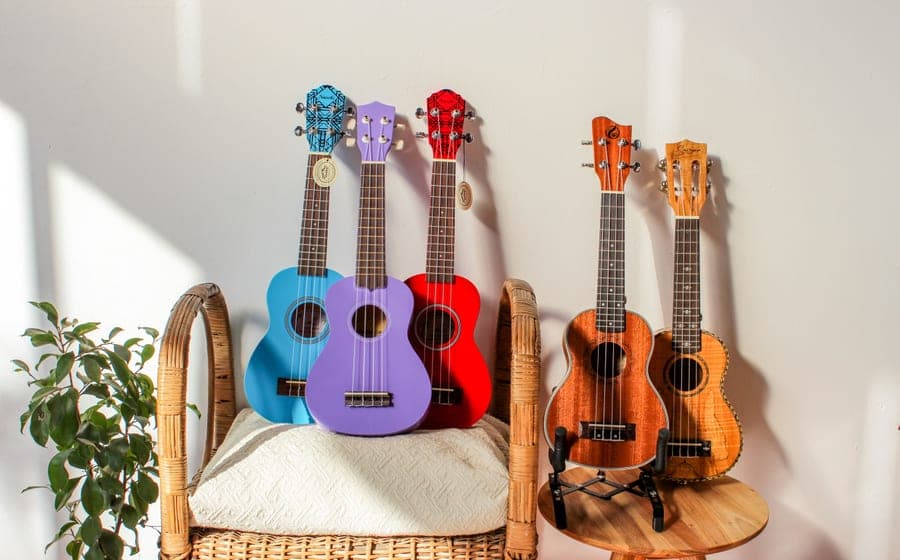
Everything in ukuleles
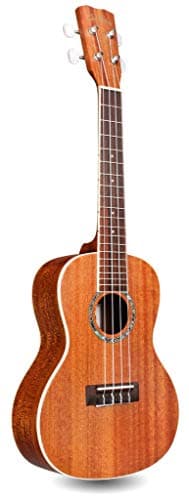
Picks
Best beginner ukuleles: what's worth it from $60 to $120
Segmented by hand size rather than price, with the nut-material spec that separates a real ukulele from a decoration.
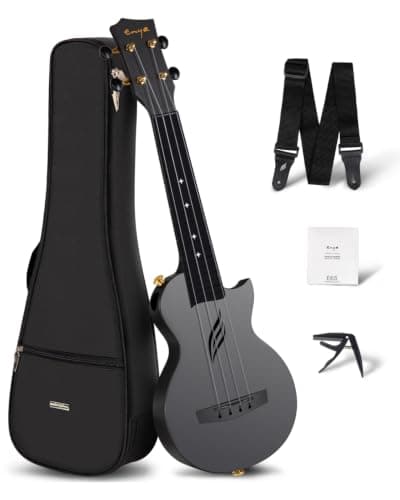
Picks
Best ukuleles for kids
Wood or composite, with the humidity problem that kills cheap wooden ukuleles in dry houses stated plainly.
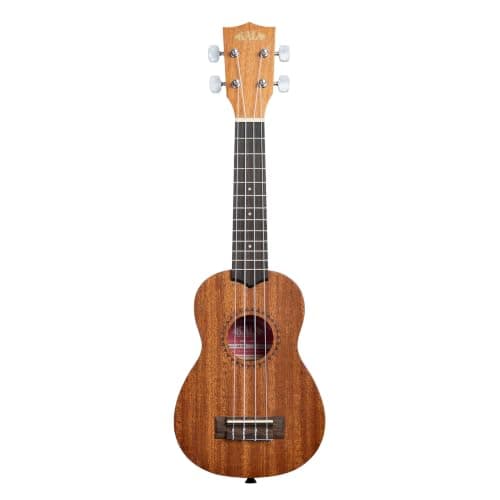
Comparison
Soprano vs concert vs tenor ukulele
Real scale lengths and fret counts across all four sizes, with the hand-size rule and buy paths for the two that matter.
Comparison
Ukulele vs guitar for beginners
Why the ukulele is genuinely easier, exactly which skills transfer to guitar, and when the stepping-stone plan is a detour.
Guide
How much should a beginner ukulele cost?
Four bands from $30 to $200, defined by nut material and tuner type rather than by brand, with the accessory list included.
Guide
Are cheap ukuleles worth it?
The intonation failure that cannot be repaired, what causes it, and the two specs that tell you whether an instrument has it.
Guide
What comes with a ukulele, and what you still need
What is really in the box, what the bundle accessories are worth, and the three things you genuinely need.
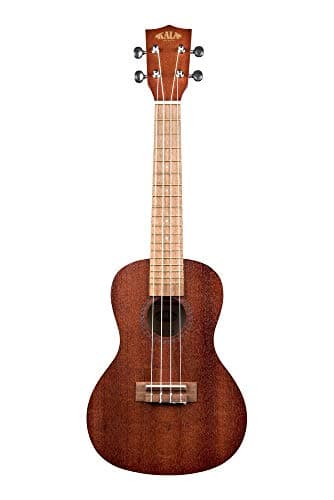
Picks
Best tenor ukuleles
Who a 17-inch tenor scale is genuinely for, what it trades away in tone, and the pick worth buying.
Guide
How to tune a ukulele
GCEA explained, using a clip-on tuner, why new strings drift for a week, and when tuning is not the problem.
Guide
Ukulele accessories you actually need
The three items that genuinely matter, the best cheap upgrade, and what a bundle is really padding with.
Guide
How to change ukulele strings
Tie-bar and slotted bridges step by step, why new strings drift for days, and the stretching trick that halves the settling time.
Picks
Best travel ukuleles
Composite versus wood for a knockabout ukulele, what actually breaks in a backpack, and the two picks worth taking anywhere.
Guide
How to look after a ukulele
The 40 to 60 per cent rule, the early warning signs of a dry instrument, and what genuinely needs cleaning versus what does not.
Picks
Best concert ukuleles
Why concert is the default adult size, what changes against a soprano, and the picks either side of the size line.
Guide
Ukulele tunings, and which one to use
Standard GCEA, what re-entrant tuning does, high-G versus low-G, and the baritone exception that changes every chord shape.
Guide
How to hold and strum a ukulele
Holding position for adults and children, where the strumming hand belongs, and the four patterns that cover most songs.
Guide
Picking up a ukulele as a guitar player
The capo-five relationship, which size guitarists should buy, what re-entrant tuning breaks, and the low-G option.
Comparison
Solid wood or laminate ukulele?
What solid wood does to the sound, why laminate is the sensible choice for children and travel, and how to tell them apart.
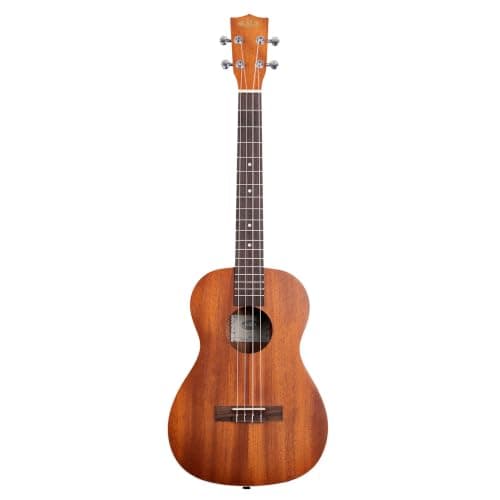
Picks
Best baritone ukuleles
Why DGBE tuning changes everything, who should buy a baritone and who definitely should not, plus the smaller sizes worth considering instead.
Picks
Best ukuleles for classrooms and groups
Durability and tuning stability over tone, what a class set actually needs, and the two instruments worth buying in quantity.
Picks
Best soprano ukuleles
What a soprano scale actually costs an adult, why the nut material decides everything at this price, and the sopranos worth owning.
Picks
Best ukuleles for adult beginners
Why the default soprano fights adult hands, which size to buy instead, and the three ukuleles we would put in front of a grown beginner.
Guide
Are ukulele starter kits worth it?
Which bundled extras are genuinely useful, which are padding, and the specific case where buying the kit beats buying the instrument alone.
Guide
Best ukulele brands for beginners
Kala, Cordoba, Enya and the rest, what each is known for at the beginner end, and the specification that outranks the badge entirely.
Guide
How to buy your first ukulele
The order to make the decisions in, what to check before you pay, and the one specification that separates a ukulele you keep from one you replace.
Picks
Best ukuleles for seniors
Why fret spacing and string tension matter more than brand for older hands, plus four picks across concert, tenor, baritone and soprano.
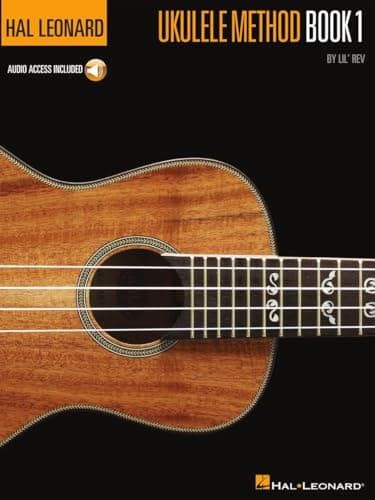
Picks
Best ukulele books for beginners
Why a method book matters on the easiest fretted instrument, what to check before buying, and three picks for adults, self-teachers and children.
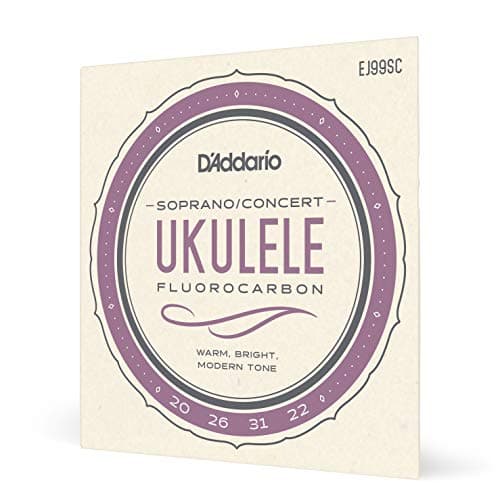
Picks
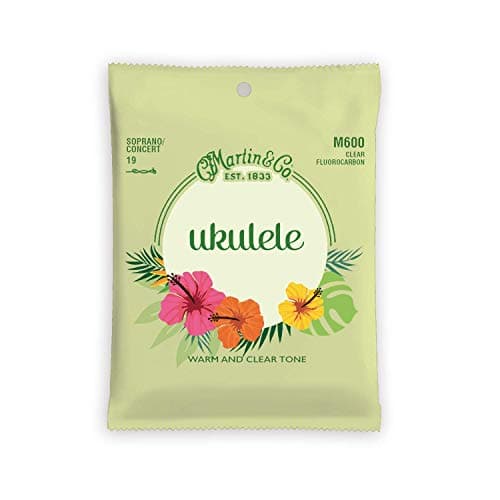
Best ukulele strings for beginners
Nylgut against fluorocarbon, why size-specific sets matter, and three sets with published gauges and tensions.
Comparison
Kala KA-15S vs Cordoba 15CM
13.6 inch scale against 14.75, mahogany on both, and which size suits which pair of hands.
Comparison
Baritone vs tenor ukulele
Why the tuning matters more than the three inches of scale, who each size suits, and what changes about chord charts and playing in a group.
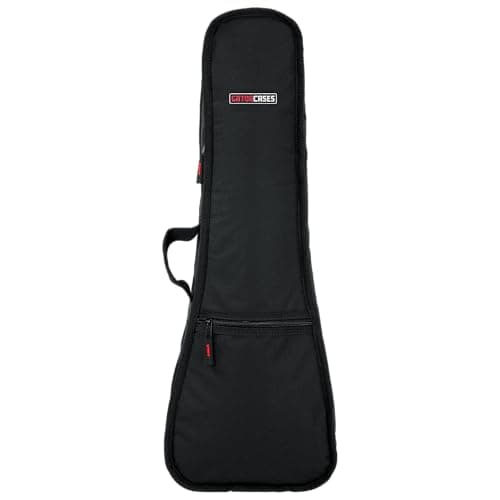
Picks
Best ukulele cases and gig bags
Soprano, concert, tenor and baritone need four different cases, and the published interior bout widths are the only way to check. Three cases from gig bag to hard shell, and when each is worth it.
Picks
Best gifts for ukulele players
Soprano, concert, tenor and baritone need different cases and different strings. What is safe without knowing the size, what needs one question answered, and four picks.
The ukulele is the lowest-friction way into stringed instruments and the easiest category in which to buy something that does not work. Both things are true at once, and the second one is the reason this hub exists.
Why it is the easiest instrument here
Four things compound. Nylon strings under low tension need almost no finger strength, so a four-year-old can press them and an adult’s fingertips do not hurt. Four strings rather than six means less to fret and less to accidentally mute. A soprano scale of 13.6 inches puts everything within easy reach. And several usable chords need one finger — C major is one finger, F is two.
The consequence is that a complete beginner plays a recognizable song in the first sitting. Nothing else on this site does that, and the strongest predictor of someone continuing is whether they made something that sounded like music early.
The honest starter path for a ukulele
Below the floor is where a molded plastic nut and saddle, friction tuners and uncompensated bridge geometry live together. The killer of those three is the geometry: an uncompensated saddle makes the instrument play progressively sharper up the neck, so chords near the nut sound acceptable and anything past the fifth fret sounds sour. That cannot be tuned out, cannot be set up out, and correcting it costs several times what the instrument did.
The floor is a bone-substitute nut and saddle — NuBone, Graph Tech or similar — with geared tuners rather than friction pegs, from a manufacturer that publishes a scale length. That is a real instrument, plays in tune the length of the neck, and costs remarkably little.
Enough adds better wood, factory-fitted Aquila strings and usually a concert body with the more comfortable fret spacing. Overspending starts around the point where solid tops and hand finishing appear — genuine improvements that a first-year player cannot hear. The bands are in what a first ukulele should cost.
Which size
Four sizes exist and two matter for a beginner. Soprano is the smallest and produces the bright plinky voice people picture. Concert is about an inch and a bit longer in scale, with 18 frets instead of 12 and noticeably more room between them.
Adults are generally happier on concert, and the reason is specific: on a 13.6 inch soprano scale, adult fingers regularly find two of them competing for the same fret space. Children should be on soprano, because they do not have that problem and the smaller body is easier to hold.
One thing that surprises people: going up a size does not give you more room across the neck. A Kala soprano and a Cordoba concert both specify about 1.375 inches at the nut. The extra room is between the frets. Full detail in soprano vs concert vs tenor.
The free upgrade to look for
Ukulele strings vary far more than guitar strings, and cheap ones sound genuinely dull — thuddy, with no sustain. Aquila Nylgut is the standard upgrade and a set costs around ten to twelve dollars.
Several instruments ship with Aquilas fitted from the factory, which means the first thing you would otherwise do to the instrument is already done. When comparing two ukuleles at similar prices, factory Aquilas are effectively a discount plus a job you do not have to learn.
What the ukulele will not do
It has the smallest ceiling of anything we cover. Four strings and 12 to 18 frets is a genuinely limited range, and for melodic playing that limit arrives. For strumming and singing it is high enough for a lifetime, and there is nothing lesser about spending that lifetime there — but it is worth knowing which one you want. If guitar is the eventual destination, our ukulele versus guitar comparison covers what transfers and what does not.
The words you will run into
- Nut and saddle
- The small slotted pieces at each end of the strings. Bone substitutes like NuBone let a string tune smoothly; molded plastic binds and makes precise tuning impossible.
- Intonation
- Whether the instrument plays in tune the length of the neck. Poor intonation on a cheap ukulele is built into the bridge position and cannot be corrected.
- Geared tuners
- Tuners with a worm drive that cannot be back-driven. Friction pegs slip under nylon strings, which stretch far more than steel.
- Aquila Nylgut
- The most common string upgrade. Cheap factory strings sound dull; a set of Aquilas transforms an inexpensive instrument for very little money.
- Soprano / concert / tenor
- Sizes, all tuned the same (GCEA), at roughly 13.6, 14.75 and 17 inches of scale. Baritone is larger and tuned differently (DGBE).
If this is not the right instrument
- Guitars →
The natural next step, and a bigger ceiling once four strings start to feel small.
- Strings →
If the appeal is a small wooden instrument and the goal is orchestral rather than strumming.
- How we pick →
The method behind every recommendation here, including what we refuse to claim.