Keys
Best digital pianos for apartments
A digital piano with headphones on is silent to your neighbors in every respect except one, and it is the one nobody mentions before you buy.
By Sawyer V. · Published · Last updated
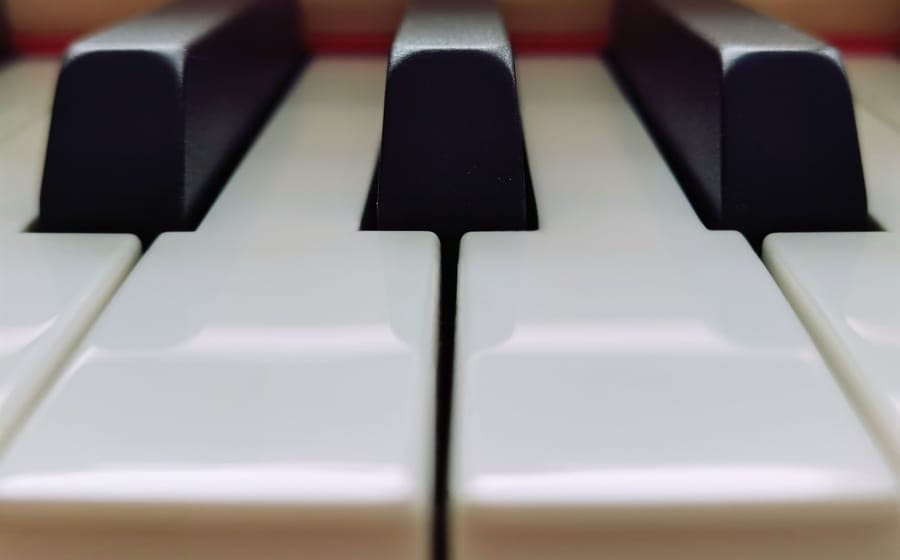
The digital piano is the standard answer for apartment practice and it is nearly right. Plug in headphones and the internal speakers cut out entirely — not quieter, off. Nothing else in this category can do that.
What almost nobody tells buyers is that a weighted digital piano is not silent even with headphones on, and the reason is mechanical rather than acoustic.
Every pick states its Starter Path band, and we have not physically tested any of them — the method is on how we pick.
Headphones silence the speakers completely. They do not silence the keys: a hammer action thumps when the keys bottom out, and that impact carries through a floor. Put the board on a rug, play with a lighter touch after hours, or choose a semi-weighted action if quiet matters more than feel.
The three noises a digital piano makes
The sound itself. Completely solved by headphones. This is the one people worry about and it is the one that is not a problem.
Key mechanism noise. The real issue. On a weighted hammer action, each key has a physical weighted lever that lifts and drops. Pressed firmly, it makes an audible thump, and dozens per minute at eleven at night is a rhythmic knocking sound through a ceiling.
Sustain pedal noise. Underrated. A pedal that clunks on every press, on a hard floor, transmits directly into the structure. A rug fixes it.
The second and third are structure-borne — impact entering the building rather than sound traveling through air. That distinction is the whole reason drums are hard in apartments and it applies here in a much milder form. The general version is in best instruments for an apartment.
The picks
The Yamaha P-145#ad is what to buy if you need a real piano action and you live in an apartment. 88 keys with a graded hammer action in a genuinely slim cabinet, which matters when floor space is the constraint.
Be clear-eyed about the trade: the hammer action that makes it worth buying is the same hammer action that makes it the noisiest board here mechanically. It is manageable, not absent.
The Alesis Recital#ad is the board to choose if quiet outranks feel. 88 full-size semi-weighted keys — spring-based resistance rather than hammers, so markedly less mechanical noise, and a lighter instrument to move up a staircase.
The honest cost is the action. Semi-weighted does not build finger strength or dynamic control the way hammers do, and a student moving to an acoustic piano will find it heavy going. The full trade is in weighted versus unweighted keys.
The Audio-Technica ATH-M20x#ad is the item that makes either board work. Closed-back so sound is not leaking back into the room, with a fixed 3 meter cable — long enough to sit properly at the instrument. For an adult whose practice window is after nine at night, this is the highest-value purchase after the piano itself. Alternatives are in headphones for a digital piano.
Setup that solves most of it
Put the whole thing on a rug. The single most effective intervention. It decouples both the stand and the pedal from the floor, which is where structure-borne noise enters.
Do not push the stand against a party wall. Six inches of air costs nothing and stops the stand coupling directly into the wall.
Get the height right. Unrelated to noise and the most common setup error regardless: a board on a dining table is about four inches too high and bends the wrists upward. See our stand and bench guide.
Play with a lighter touch after hours. Genuinely effective and free. Most key noise comes from keys being driven hard onto their bed.
The quietest option, if you will accept it
If near-silence is the binding constraint and piano technique is not the goal, an unweighted 61-key board is quieter than anything on this page. No hammers means almost no mechanical noise at all, plus a much smaller footprint and the ability to be stood on end in a wardrobe.
That is a real trade rather than a free win, and for a player who wants to play songs rather than sit exams it is frequently the right one. The picks are in best portable keyboards.
Talk to the neighbors
Worth saying because it works better than any product on this page. Most noise complaints are about timing and about anonymity rather than about level.
A short conversation before you start, and a self-imposed cutoff hour, buys more tolerance than any amount of matting. And a digital piano is genuinely one of the easiest instruments to be a good neighbor with — which is the whole reason it beats an acoustic piano in a building like this, as covered in digital piano versus acoustic piano.
Quick picks
If you need a real piano action
88 graded hammer keys in a slim cabinet. The action you want, with the mechanical key noise that comes with it.
| # | Product | Best for | Score | Price |
|---|---|---|---|---|
| 1 | No image Yamaha P-14588 graded hammer keys, a concert grand sample and 24 pounds. | Buy once, 88 weighted keysEnough | 9.0 | Check price on Amazon → #ad How we’re funded |
If quiet matters more than action
88 full-size semi-weighted keys. Mechanically quieter than a hammer action, and a real compromise on feel.
| # | Product | Best for | Score | Price |
|---|---|---|---|---|
| 1 | No image Alesis Recital88 full-size semi-weighted keys and 128-note polyphony for meaningfully less than a hammer-action piano. | 88 keys on a tight budgetThe honest floor | 7.7 | Check price on Amazon → #ad How we’re funded |
The part that makes it work
Closed-back headphones with enough cable to sit properly. This is what converts practicing when the house is empty into practicing.
| # | Product | Best for | Score | Price |
|---|---|---|---|---|
| 1 | No image Audio-Technica ATH-M20xClosed-back 40 mm drivers with a 1/4 inch adapter included, which is the socket most digital pianos actually have. | Practice headphonesThe honest floor | 8.7 | Check price on Amazon → #ad How we’re funded |
The picks in full
Yamaha P-145
YamahaBest for: Buy once, 88 weighted keys
88 graded hammer keys, a concert grand sample and 24 pounds. If the plan is piano lessons rather than keyboard playing, this is where the shopping actually starts.
Published specifications
- Keys:
- 88, GHC (Graded Hammer Compact), fully weighted and graded
- Polyphony:
- 64 notes
- Sound:
- Yamaha CFIIIS concert grand sample, damper resonance DSP
- Speakers:
- 7 W built-in
- Dimensions:
- 1,326 x 268 x 129 mm (52-3/16" x 10-9/16" x 5-1/16")
- Weight:
- 11.1 kg (24 lb 8 oz)
- In the box:
- Music rest, sustain foot switch
What it gets right
- Graded hammer action — the low keys are heavier than the high ones, which is the thing an unweighted keyboard cannot teach
- All 88 keys, so no method book ever runs off the end of the instrument
- Genuinely portable at 24 pounds and 268 mm deep; it fits on a desk
Where it gives ground
- 64-note polyphony is the entry-tier number; heavy sustain-pedal passages will drop notes eventually
- A single sustain footswitch, not a proper piano-style pedal — most players replace it
What it is not good at
Anything other than piano. There are only a handful of voices and no arranger features, so if the player wants to make beats or layer sounds, a PSR-E383 will make them happier for less money.
How the specs score against a beginner’s needs
Scores are our reading of the published specifications above against what a beginner physically needs. They are not test results — we have not played this instrument.
Specifications from Yamaha USA — P-145 specifications.
Alesis Recital
AlesisBest for: 88 keys on a tight budget
88 full-size semi-weighted keys and 128-note polyphony for meaningfully less than a hammer-action piano. Semi-weighted is a real compromise and the page should say so, so: it is a real compromise.
Published specifications
- Keys:
- 88, full-size, semi-weighted
- Touch response:
- Adjustable — low / medium / high
- Polyphony:
- 128 notes
- Voices:
- 5, layerable and splittable
- Speakers:
- 2 x 20 W
- Weight:
- 15.7 lb
- Extras:
- Lesson mode, metronome, reverb, chorus
What it gets right
- All 88 keys at a price where most instruments give you 61 — the method book never runs out of instrument
- 128-note polyphony, double the Yamaha P-145's 64
- 15.7 pounds, lighter than the P-145's 24 and a genuine consideration if it moves between rooms
Where it gives ground
- Semi-weighted is not hammer action and not graded — the resistance is springs, not weights
- Five voices total, and the piano sample is clearly the entry tier
What it is not good at
Building acoustic-piano technique. Semi-weighted keys let a beginner play faster than their hands have earned, and the habit shows the first time they sit at a real piano. If lessons on an acoustic are coming, spend up to the hammer action.
How the specs score against a beginner’s needs
Scores are our reading of the published specifications above against what a beginner physically needs. They are not test results — we have not played this instrument.
Specifications from Alesis — Recital product page.
Audio-Technica ATH-M20x
Audio-TechnicaBest for: Practice headphones
Closed-back 40 mm drivers with a 1/4 inch adapter included, which is the socket most digital pianos actually have. The cheapest headphones we would put on a practicing student.
Published specifications
- Type:
- Closed-back, circumaural (over-ear)
- Drivers:
- 40 mm, copper-clad aluminum voice coils
- Frequency response:
- 15 Hz - 20,000 Hz
- Cable:
- 9.8 ft (3.0 m), single-sided, straight
- Weight:
- 6.7 oz (190 g) without cable
- In the box:
- 6.3 mm (1/4") snap-on adapter
What it gets right
- Closed-back, so the sound stays in and the room stays out — the whole point of practice headphones
- The 1/4 inch adapter is included, and that is the socket most digital pianos have rather than the 1/8 inch a phone uses
- Under 200 grams, which matters over an hour of practice on a child's head
Where it gives ground
- The cable is fixed, not detachable, so a damaged cable means new headphones
- A 3 meter cable is generous at a piano and a trip hazard anywhere else
What it is not good at
Portability. They do not fold flat and there is no case. These live at the instrument.
How the specs score against a beginner’s needs
Scores are our reading of the published specifications above against what a beginner physically needs. They are not test results — we have not played this instrument.
Specifications from Audio-Technica ATH-M20x published specifications.
Questions people actually ask
Are digital pianos quiet enough for an apartment?
With headphones, the sound is silent to a neighbor. What remains is the mechanical noise of the keys themselves, which on a weighted hammer action is a real thump that carries through a floor late at night.
Do weighted keys make more noise?
Noticeably. A hammer action has a physical weighted lever under each key that bottoms out when you press. An unweighted or semi-weighted board is much quieter mechanically, which is a genuine apartment advantage.
Will my neighbors hear a digital piano through the floor?
Only the key mechanism, and only if you play hard late at night on a weighted action. A rug under the stand and playing with a lighter touch after hours handles almost all of it.
What is the quietest keyboard for an apartment?
An unweighted 61-key board with headphones is the quietest option available, because there is no hammer mechanism to make noise. The trade is that it does not build piano technique.
Sources
Still deciding?
Every recommendation on this site is built the same way, and the method is published in full — including what we do not do and what would get a pick dropped.
Read next
- Best instruments for an apartment
Four instruments that survive a shared wall, ranked by how quiet they are at their loudest, plus the headphones that make the difference.
- Best headphones for a digital piano
Closed-back over-ear picks, the quarter-inch adapter problem, and why open-back headphones are the wrong tool here.
- Weighted vs unweighted keys
Hammer, semi-weighted and synth action explained by effect on the hands, with the one question that settles the choice.
- Best beginner digital pianos: 88 keys, honestly compared
Hammer action versus semi-weighted at the entry price, with the polyphony and weight trade-offs both stated.
- Keyboard stands and benches
How to set the correct playing height, X-stand versus Z-stand, and why the adjustable bench is the item to buy first.