Band & Orchestra
Trombone vs trumpet for beginners
Both are brass, both start with buzzing lips. After that they teach opposite lessons: one gives you the notes, the other makes you find them.
By Sawyer V. · Published · Last updated
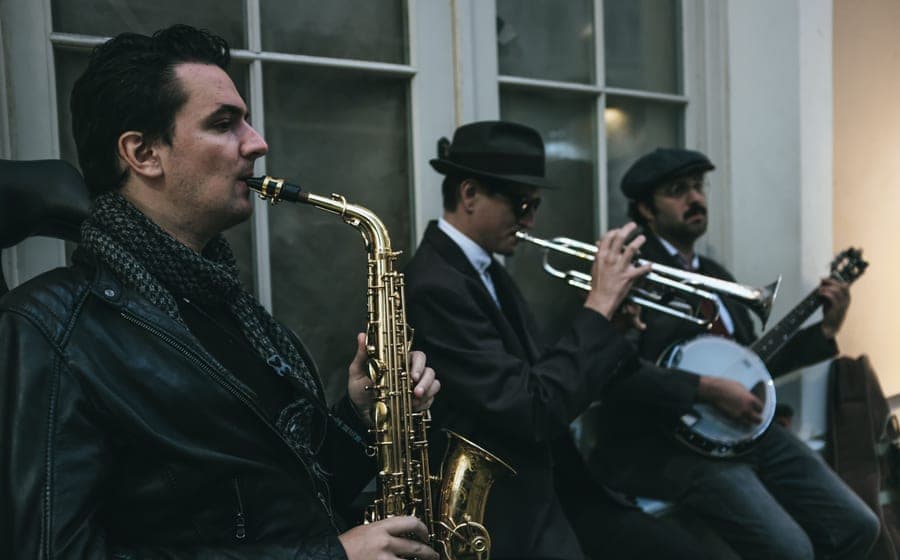
These are the two brass instruments a beginning band student is most likely to be offered, and the choice is usually made on which one looks better. There are better reasons.
Both work the same way at the mouthpiece: the lips buzz, and the instrument amplifies and shapes that buzz. Everything after that diverges.
Choose the trumpet if the student is small, wants the melody, or prefers an instrument that tells them where the notes are. Choose the trombone if they have the arm length, already read bass clef, or want an easier route into an ensemble. The trumpet is easier to carry; the trombone is easier to make a first sound on.
Valves against a slide
The trumpet has three valves. Press a combination and the tubing length changes by a fixed amount, so the available notes are discrete. A student who presses the right valves and buzzes at roughly the right pitch gets a recognizable note.
The trombone has a slide with seven positions marked by nothing at all. The player learns them by arm position and by ear, and every note between them is available too, which is why trombones can glissando and trumpets cannot.
For a beginner that difference cuts both ways. The trumpet gives correct pitches sooner. The trombone builds a better ear, because there is no mechanism to hide behind — the student either hears that they are flat or they stay flat.
What each asks of the body
Trumpet. A small mouthpiece and a fast lip buzz. The first weeks are about getting a sound out at all, and the notes above the staff take real strength that arrives over months. It is light, so a child can hold it up indefinitely.
Trombone. A larger mouthpiece and a slower buzz, which most beginners find easier to produce on day one. The constraint is arm length: sixth and seventh position are a genuine stretch for a small eleven-year-old, and there is no fractional sizing to fix it the way there is on a violin.
Both need the same thing long-term, which is air. The wider the bore, the more of it. That is why beginner bores sit in a narrow band, and we set out the numbers in best beginner trombones.
Reading, and what transfers
Trumpet reads treble clef and is pitched in B-flat, meaning the written note and the sounding note differ. Students absorb this without noticing, and it becomes relevant when they play with a piano.
Trombone reads bass clef at concert pitch: what is written is what sounds. A student who has played piano already reads that clef, which is a small head start.
Neither transfers especially well to the other — they share breathing and buzzing but nothing about the right hand — so this is a choice rather than a stepping stone.
Cost, carrying and practicality
Price. Student trumpets and student trombones sit in broadly similar brackets, and both are dominated by the same handful of brands. The trombone case is much larger, which matters on a school bus more than people expect.
Maintenance. Trumpets need valve oil and occasional bathing. Trombones need slide cream or oil and a water spray, used often. The trombone’s maintenance is simpler but less forgiving: a neglected slide gets sticky quickly.
Ensemble demand. Trumpet sections are crowded; trombone sections are frequently short. If the point is playing with other people, that asymmetry is worth something.
What to buy either way
The same rule applies to both: published specifications and a real manufacturer behind them. On trumpet the Jean Paul TR-330#ad is the horn we point people to in best beginner trumpets. On trombone the equivalent is the Jean Paul TB-400#ad, which publishes its slide materials where almost nothing else at the price does.
And before buying either, check whether the school rents. For brass in particular, a first year on a rented instrument costs less than buying and selling, and the swap costs nothing if the student changes their mind — the numbers are in renting versus buying a band instrument.
If the decision is still open beyond brass, the wider fork is in woodwind vs brass for beginners and choosing a school band instrument.
What we would buy
Jean Paul TR-330
Jean Paul USABest for: Budget trumpet, if buying in year one
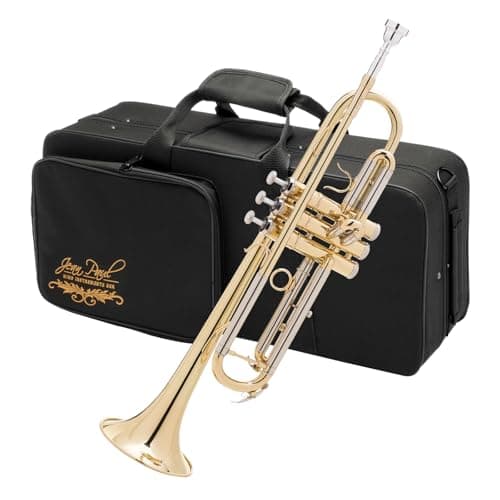
A medium-bore student trumpet with stainless steel valves and a two-piece yellow brass bell, play-tested in the US before shipping, with a 7C mouthpiece and semi-hard case.
Published specifications
- Key:
- Bb
- Bore:
- Medium
- Bell:
- Two-piece yellow brass
- Valves:
- Stainless steel
- Finish:
- Gold lacquer
- Included:
- 7C mouthpiece, semi-hard case, valve oil, polishing cloth, gloves
What it gets right
- Play-tested in the US before it ships, which for a budget brass instrument is a meaningfully better process than none
- A complete package — mouthpiece, case, oil and cloth are all things you would otherwise buy
- Deliberate breath resistance suited to a beginner, rather than the wide-open blow that leaves a new player out of air
Where it gives ground
- Stainless steel valves are durable and not as smooth as monel over time
- Resale is minimal, so the saving over a Yamaha is smaller than it looks across a few years
What it is not good at
Growing with a serious player. It gets a student through the first years honestly; beyond that the Yamaha or an intermediate horn is the step.
How the specs score against a beginner’s needs
Scores are our reading of the published specifications above against what a beginner physically needs. They are not test results — we have not played this instrument.
Specifications from Jean Paul USA TR-330 published description.
Jean Paul TB-400
Jean PaulBest for: A first trombone you can check on paper
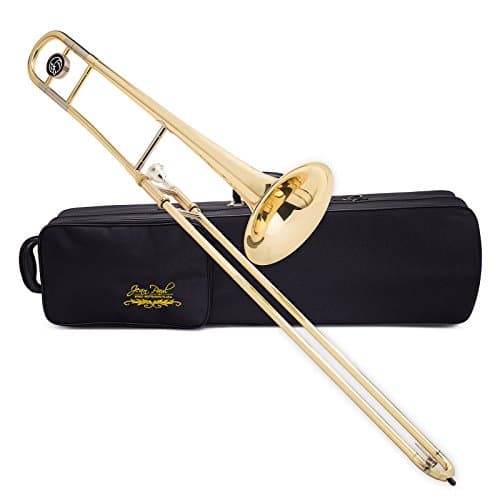
The rare budget trombone that publishes its slide materials. A cupronickel inner slide inside a yellow brass outer, a bore just under half an inch, and a case and mouthpiece in the box.
Published specifications
- Key:
- B-flat tenor, straight (no F attachment)
- Bore:
- 12.6 mm (approx. 0.496 in)
- Bell:
- 204.4 mm (approx. 8.05 in), yellow brass
- Slide:
- Cupronickel inner slide, yellow brass outer slide
- Finish:
- Gold lacquer (silver also offered)
- Included:
- Hard carrying case, 12C mouthpiece, cleaning cloth and rod
- Warranty:
- 1 year for product defects
What it gets right
- Publishes inner and outer slide materials separately — the slide is the part that decides how a trombone feels, and most budget brands stay silent about it
- A bore just under 0.5 inches sits inside the range band retailers recommend for beginners, so it needs less air
- Ships with a hard case, mouthpiece and cleaning kit
- A named manufacturer warranty, which the Amazon-native brands in this category do not offer
Where it gives ground
- Straight tenor with no F attachment published, so the low register stays on the slide alone
- Marketed as intermediate while also being sold to beginners, so the naming does not tell a parent which tier it is
- The included 12C is a generic stock mouthpiece rather than a specified brand model
What it is not good at
Anything needing an F attachment. No trigger is published, so lower positions have to be reached with the slide.
How the specs score against a beginner’s needs
Scores are our reading of the published specifications above against what a beginner physically needs. They are not test results — we have not played this instrument.
Specifications from Jean Paul USA — TB-400 intermediate trombone, Music & Arts — trombone buyer's guide (beginner bore range).
Questions people actually ask
Which is easier for a beginner, trumpet or trombone?
Trumpet is easier to play a correct note on, because three valves give fixed positions. Trombone is easier to make a sound on at all, because the mouthpiece is larger and the lips buzz more slowly. Neither is easy; they are hard at different points.
Does trombone require reading a different clef?
Yes. Trombone parts are usually written in bass clef and sound at the written pitch, while trumpet reads treble clef and is a transposing instrument in B-flat. For a student who already reads bass clef from piano, that is a point in the trombone’s favor.
Is the trombone too big for a small child?
It can be, and the limit is arm length rather than height. Sixth and seventh positions sit a long way out, and a student who cannot reach them cleanly will struggle. Directors often wait a year with smaller students.
Which is louder at home?
Both are loud, and neither is apartment-friendly without a practice mute. The trumpet is more piercing in a small room; the trombone carries lower and travels through walls differently. Assume you will need a conversation with whoever you live with.
Which has more parts in a school band?
Trumpet sections are larger, which means more competition for chairs. Trombone sections are smaller and frequently short of players, so a decent trombonist gets into ensembles more easily. That is a real consideration for a student who wants to play with others.
Still deciding?
Every recommendation on this site is built the same way, and the method is published in full — including what we do not do and what would get a pick dropped.
Read next
- Woodwind or brass for a first band instrument?
How each family produces sound, what that means for the first month, running costs, and how each suits different students.
- Best beginner trumpets
Bore size, monel versus stainless valves, the third valve trigger, and two picks for when buying is right.
- Best beginner trombones
What bore size means for a beginner, why slide material is the spec to check, and three trombones with honest limits stated.
- Is trumpet hard to learn?
Why the embouchure is the whole difficulty, how long the first weeks take, and what a beginner should actually buy while they find out.
- Choosing a school band instrument
Which instrument suits which child, what school rental covers, and the honest case for not buying in year one.