Band & Orchestra
Saxophone or clarinet to start on?
The saxophone is the one every child wants and the clarinet is the one most directors suggest first, and both positions are defensible.
By Sawyer V. · Published · Last updated
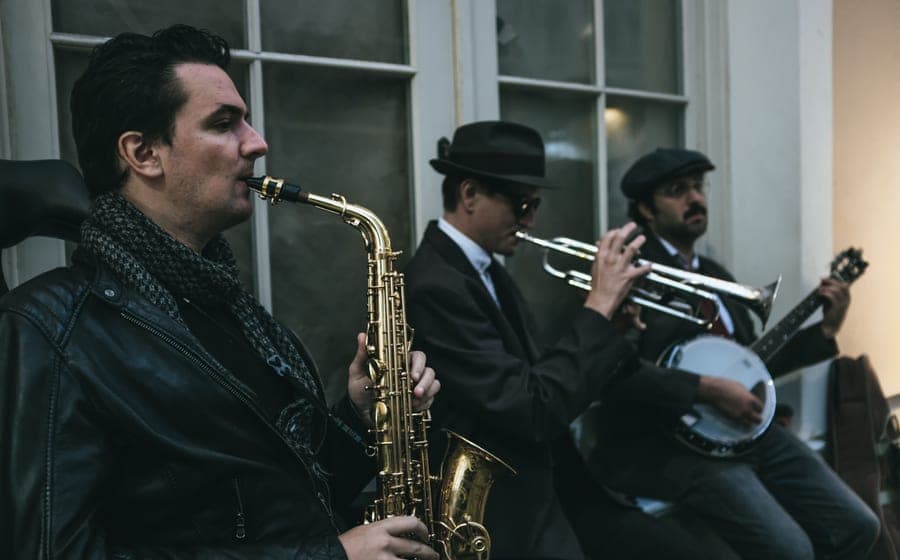
This choice usually arrives already decided. A ten-year-old who has heard a saxophone wants a saxophone, and no argument about transferable embouchure is going to change that.
It is still worth understanding what the two instruments actually ask for, because the director’s suggestion to start on clarinet is not arbitrary and it is not a brush-off.
Saxophone is easier to sound good on early and is heavier, larger and more expensive. Clarinet is harder in the first year, cheaper, lighter, and everything learned on it transfers to saxophone later. For a small player, clarinet first is the safer route.
What they share
Both are single-reed instruments: a cane blade vibrates against a mouthpiece. That means the fundamental technique of producing a sound is the same skill on both, and a player who can make a clarinet speak can make a saxophone speak within a lesson.
The fingering systems are closely related too. They are not identical — the clarinet overblows at a different interval, which changes how the upper register is fingered — but a clarinettist picking up a saxophone is learning adjustments rather than starting over.
Both also share the reed economy: a continuous supply of consumables that chip, warp and wear out, and a student on a dead reed who reports that they are getting worse.
Where the saxophone is genuinely easier
The first sound. A saxophone mouthpiece is larger and the embouchure is more forgiving. Most beginners produce a recognisable note quickly, and it sounds like a saxophone rather than like a duck.
No break in year one. The clarinet’s register break — the transition between its lower and upper registers, needing a different embouchure and a fingering change simultaneously — is the wall clarinet students hit. The saxophone has an octave key and the equivalent transition is far smoother.
Motivation. Worth stating plainly. A student playing the instrument they actually wanted practices more, and practice hours beat every technical argument on this page.
Where the clarinet is genuinely easier
Weight and reach. An alto saxophone is a substantial object. It needs a neck strap, and for a small ten-year-old it can need a harness. A clarinet hangs in front of the body and weighs a fraction as much. This is the reason directors steer smaller students toward it and it is a physical fact rather than a preference.
Cost. Clarinets are cheaper to buy, cheaper to rent and cheaper to repair, at every level.
Volume at home. Both are audible through a door. The saxophone projects more and carries further through a building, which matters in an apartment or a row house.
Section size. Clarinet sections in school bands are usually larger and split into several parts, which means more places for a beginner to sit and be useful while they improve.
The clarinet-first argument, fairly stated
The traditional advice is a year or two of clarinet, then saxophone. The case for it is real: lighter instrument, lower cost, transferable embouchure and fingering, and a disciplined air stream that makes the saxophone easier when the student arrives at it.
The case against is also real. A student who wanted a saxophone and was handed a clarinet may simply not practice, and an unpracticed year on the correct pedagogical instrument is worth less than an enthusiastic year on the wrong one.
Our reading: follow the director’s recommendation if it is based on the student’s size, because that is a physical assessment they are qualified to make. If the recommendation is purely traditional and the student is set on saxophone, start on saxophone. The broader version of this decision is in choosing a school band instrument.
What to buy
Rent in year one on either instrument. Reassignment is common in the first months, and a purchased instrument turns a routine decision into an expensive one — the reasoning is in renting versus buying a band instrument.
If buying, the pattern is the same on both.
Alto saxophone. The Yamaha YAS-280#ad is the step-up instrument that carries a student well beyond year one and holds its value. The Jean Paul AS-400#ad is the budget option if year-one purchase is unavoidable. Both are covered in best beginner saxophones.
Clarinet. The Yamaha YCL-255#ad is the equivalent buy-once choice, detailed in best beginner clarinets.
Alto is the beginner saxophone, not tenor and not soprano. Tenor is larger and heavier with a wider embouchure; soprano is straight and notoriously difficult to play in tune. School band parts are written for alto, so it is also the one the music assumes.
The used-instrument warning
It applies to both and it applies hard. Saxophones and clarinets seal with pads and corks, both are consumables, and both degrade continuously rather than failing.
A leaking instrument plays, and makes the low notes disproportionately difficult. The student does not report it, because there was never a moment when something broke — they conclude they are not getting better. Meanwhile a full repad can cost more than the instrument did.
Never buy either used without a technician or a player inspecting it, and treat a suspiciously cheap listing as exactly what it looks like. The same logic across every family is in used versus new.
Most players end up doing both
Worth knowing before the decision feels permanent. Woodwind players commonly double — clarinettists play saxophone in jazz band, saxophonists play clarinet in concert band — and adding the second instrument is far easier than learning the first.
So the choice is which to start on, not which to play forever. If neither is settled and the flute is still in the running, that comparison is in flute versus clarinet.
What we would buy
Yamaha YAS-280
YamahaBest for: Step-up alto sax, year two onward
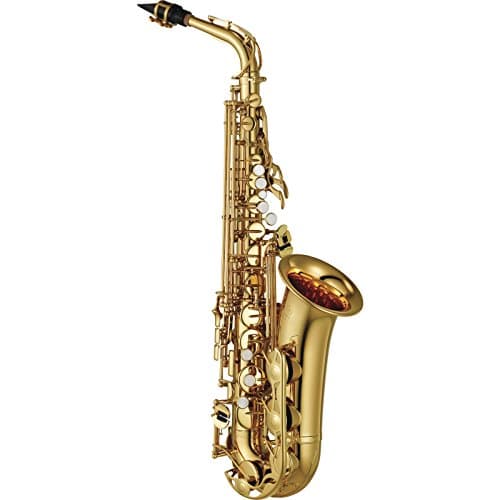
Lightweight, ergonomically shaped for a young player, with an adjustable thumb hook, a high F# key and a redesigned low B-to-C# connection. Widely treated as the standard student alto.
Published specifications
- Key:
- Eb alto
- Material:
- Brass, gold lacquer finish
- Bell:
- Two-piece
- Key touches:
- White polyester
- Mechanism:
- Improved B-C# connector, high F# key, adjustable thumb hook
- Neck receiver:
- Redesigned for stability
- Included:
- Yamaha 4C mouthpiece, case with rucksack straps, sax strap, cork grease
What it gets right
- Genuinely designed around a young player — light, and shaped so the hands fall naturally rather than reaching
- The adjustable thumb hook matters more than it sounds: a saxophone's weight lands on the right thumb, and a fixed hook fits one hand size
- High F# key included, which the method book will want before the second year is out
Where it gives ground
- Even a lightweight alto is heavy for a small eleven-year-old over a full rehearsal
- The 4C mouthpiece is a solid start and a very common first upgrade
What it is not good at
Being a year-one purchase. Saxophone is the most requested section and the most reassigned; rent until the placement is settled.
How the specs score against a beginner’s needs
Scores are our reading of the published specifications above against what a beginner physically needs. They are not test results — we have not played this instrument.
Specifications from Yamaha YAS-280 published specifications.
Jean Paul AS-400
Jean Paul USABest for: Budget alto sax, if buying in year one
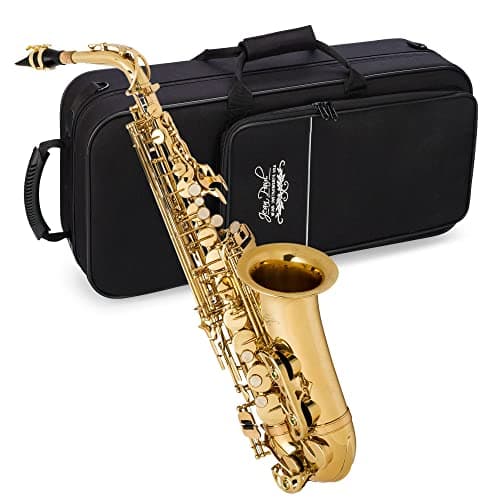
A golden-brass lacquered student alto at a fraction of the Yamaha. The honest framing: it is a real, playable saxophone and it is not built to the same tolerances.
Published specifications
- Key:
- Eb alto
- Material:
- Golden brass, lacquered
- Level:
- Student / beginner
What it gets right
- Puts a playable alto saxophone within reach of a family that cannot fund a Yamaha
- Jean Paul builds specifically for the beginner and intermediate band market rather than repackaging generic stock
- Cheap enough that a year of uncertainty is not an expensive bet
Where it gives ground
- Pad seating and key regulation are where the price shows, and both affect how the instrument plays within a year
- Published specifications are thinner than Yamaha's, which makes it harder to compare properly
What it is not good at
Going without maintenance. Every saxophone needs pad work eventually and a budget one needs it sooner. If the school rents, rent.
How the specs score against a beginner’s needs
Scores are our reading of the published specifications above against what a beginner physically needs. They are not test results — we have not played this instrument.
Specifications from Jean Paul USA AS-400 published description.
Yamaha YCL-255
YamahaBest for: Step-up clarinet, year two onward
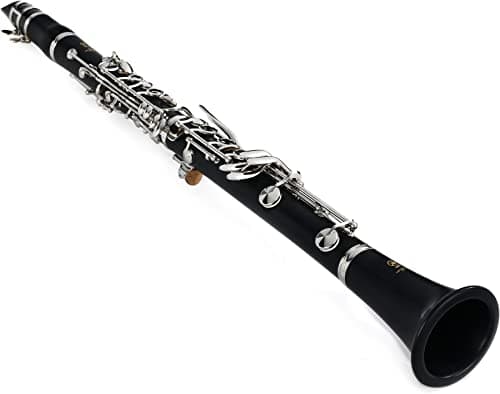
ABS resin body with a 65 mm barrel taken from Yamaha's high-end clarinets, Valentino pads and a 4C mouthpiece. The default student clarinet in most band rooms.
Published specifications
- Body:
- ABS resin, matte wood-like finish
- System:
- Boehm, 17 keys and 6 rings
- Keywork:
- Power-forged, nickel-plated nickel silver
- Barrel:
- 65 mm — the length used on Yamaha's high-end clarinets
- Pads:
- Valentino
- Bell:
- Solid ABS resin with resonance chamber
- Thumb rest:
- Adjustable, with strap ring
- Mouthpiece:
- Yamaha 4C
What it gets right
- ABS resin does not crack in a dry house, which is the failure that ends cheap wooden clarinets
- The 65 mm barrel is genuinely the same specification as Yamaha's expensive clarinets, and it is a large part of why this one plays in tune
- An adjustable thumb rest with a strap ring, which matters because a clarinet's weight lands on one thumb
Where it gives ground
- Resin will never have the warmth of grenadilla wood, and a student will notice when they play a wooden one
- The included 4C mouthpiece is competent and is the first thing many teachers upgrade
What it is not good at
Being a year-one purchase. Rent through the school first; directors reassign students in the first months and this is real money to have committed.
How the specs score against a beginner’s needs
Scores are our reading of the published specifications above against what a beginner physically needs. They are not test results — we have not played this instrument.
Specifications from Yamaha USA — YCL-255 overview.
Questions people actually ask
Is saxophone easier than clarinet?
In the first months, yes. The saxophone has a wider mouthpiece and a more forgiving embouchure, and it has no register break to negotiate in year one. The clarinet is harder early and lighter to carry.
Should a beginner start on clarinet before saxophone?
Many directors suggest it and the reasoning is sound: clarinet is lighter, cheaper, and the embouchure and fingering transfer directly. It is not compulsory, and a student who only wants the saxophone will practice the saxophone.
How heavy is an alto saxophone for a child?
Heavy enough that a neck strap is essential and a harness is sometimes needed. It is the main physical reason directors steer smaller ten-year-olds toward clarinet for the first year.
Which is louder in a house?
The saxophone, comfortably. Both are audible through a door; the saxophone projects more and sits lower in pitch, so it carries further through a building.
Sources
Still deciding?
Every recommendation on this site is built the same way, and the method is published in full — including what we do not do and what would get a pick dropped.
Read next
- Best beginner saxophones
Why alto is the beginner size, the ergonomic details that matter at eleven, and two picks for when buying is right.
- Best beginner clarinets
Why resin beats wood for a student, what a 65mm barrel does for intonation, and two picks for the year-two step-up.
- Flute or clarinet for a first band instrument?
Embouchure versus reeds, the first-two-weeks failure on each, running costs, and which suits smaller players.
- Choosing a school band instrument
Which instrument suits which child, what school rental covers, and the honest case for not buying in year one.
- The easiest band instruments to learn
Ranked by time to a reliable first note, with what embouchure is and why it decides the ranking.