Band & Orchestra
Step-up band instruments for year two
The step-up tier is the buy-once purchase in this category, and the right moment to make it is the end of a first year that went well.
By Sawyer V. · Published · Last updated
A first year of band ends in one of two ways. Either the student has stopped, in which case renting was obviously right; or they have stayed with it, settled into a section, and are continuing.
The second outcome is the moment this page is for. It is the point at which buying stops being a gamble and starts being the cheaper option.
Every pick states its Starter Path band, and we have not physically tested any of them — the method is on how we pick.
Buy at the end of a successful first year, at the step-up tier rather than the budget tier. Step-up instruments are better regulated, hold their resale value, and are worth repairing — all three of which budget instruments are not.
What a step-up instrument actually improves
The differences are unglamorous and they compound.
Key regulation. On woodwind, keys work in linked groups, and how precisely those linkages are set decides whether the instrument responds evenly across its range. This is the single largest practical difference and it is invisible on a spec sheet.
Consistency of manufacture. Two budget instruments off the same line can play noticeably differently. Step-up instruments vary far less, which matters when a student has to trust that a problem is theirs rather than the instrument’s.
Materials and tolerances. Better pads that seal longer, better springs, better valve fit on brass.
Repair economics. The one nobody mentions. A step-up instrument is worth repairing; a budget instrument frequently is not, because a full repad can cost more than it did. That changes the instrument’s effective lifespan from a few years to a few decades.
What a step-up does not do is play better by itself. It removes obstacles so the student stops fighting the instrument, which is a genuine improvement and not the same as added ability.
The timing
Not before year two. Reassignment between sections is common in the first months, and buying early risks buying for an instrument the student will be moved off.
At the end of a year that went well. The student has stayed in the same section, is practicing without being chased, and intends to continue.
Before the rental payments exceed the instrument. Most school-affiliated rentals apply part of what you have paid toward a purchase. Ask what proportion and whether there is a time limit, because that materially changes when buying becomes cheaper — see renting versus buying.
Clarinet
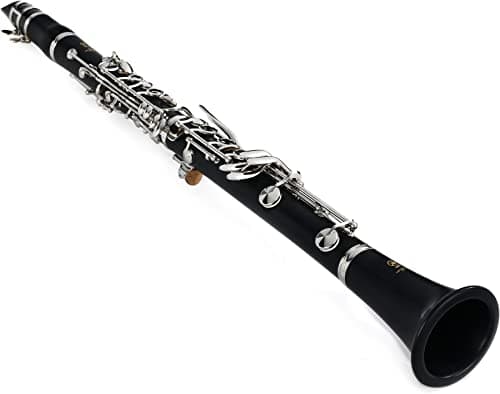
The Yamaha YCL-255#ad is the standard step-up and the instrument a large proportion of school clarinetists end up on.
What matters most here is regulation. The clarinet has a large key system and covering holes completely is already demanding for a student; an instrument whose keys are properly set removes a layer of difficulty that has nothing to do with playing.
Worth knowing: the tier above this introduces wooden bodies, which sound different and require humidity management a school student will not do. That is our overspending boundary for this section, and the field is in best beginner clarinets.
Flute
The Yamaha YFL-222#ad is the step-up we recommend, and flute has a particular advantage: no reeds and no consumables, so the instrument itself is essentially the whole variable.
That makes a step-up flute a genuinely long-term purchase. A well-maintained one serves a student from year two through the end of school with nothing but periodic servicing.
The upgrade beyond this tier is open-hole keys and a solid silver head joint, both of which are real and both of which are aimed at players with developed tone control. Only one of them changes the sound, and it is not the keys — our step-up flutes roundup compares that tier on published specifications. For a first flute, see best beginner flutes.
Trumpet
The Yamaha YTR-2330#ad is the step-up, and brass rewards it differently to woodwind.
There are no pads to seal, so what improves is valve fit and consistency of the bore. The practical effect is that the instrument responds predictably across its range, which matters enormously on an instrument where the player’s embouchure selects the note — an inconsistent instrument makes it impossible to tell whether a missed note was the player or the horn.
Trumpets also hold their value well and are cheap to run. Details in best beginner trumpets.
Alto saxophone
The Yamaha YAS-280#ad is the step-up alto, and it is the instrument most likely on this page to be kept into adulthood.
Saxophone has an active amateur life after school in a way that concert-band instruments sometimes do not, and a step-up alto is entirely adequate for that. Regulation and pad quality are the key improvements, and both directly affect how easily the low register speaks — the part of the instrument beginners struggle with most.
One cheap addition worth making at the same time: a better mouthpiece. On any saxophone at this level it is the weakest supplied component and the least expensive meaningful upgrade. See best beginner saxophones.
Before you buy
Ask the director. Programs frequently have a preferred model list, and matching it means the student’s instrument behaves like everyone else’s in the section.
Check what the rental credit is. It may cover a meaningful part of the purchase.
Buy new, or used only with an inspection. Step-up instruments are the one tier where the used market is genuinely good, and worn pads and corks still look fine in a photograph. Have a technician check it.
Budget for the annual service. Owning means the maintenance a rental covered is now yours — the routine that keeps the bill small is in how to clean a band instrument, and the wider money picture is in what a band instrument should cost.
Quick picks
Clarinet
The section with the most players and the most competition for chairs. A properly regulated instrument is the difference between fighting the keys and playing.
| # | Product | Best for | Score | Price |
|---|---|---|---|---|
| 1 | Yamaha YCL-255ABS resin body with a 65 mm barrel taken from Yamaha's high-end clarinets, Valentino pads and a 4C mouthpiece. | Step-up clarinet, year two onwardEnough | 8.9 | $755.00 · View on Amazon #ad How we’re funded |
Flute
No reeds and no consumables, so the instrument itself is the whole variable. A step-up flute is a long-term purchase.
| # | Product | Best for | Score | Price |
|---|---|---|---|---|
| 1 | 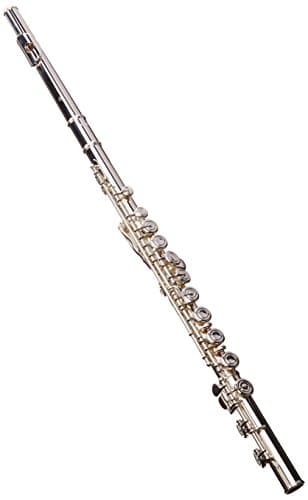 Yamaha YFL-222Silver-plated nickel silver throughout with pointed key arms and stainless steel springs. | Step-up flute, year two onwardEnough | 8.8 | $725.00 · View on Amazon #ad How we’re funded |
Brass and saxophone
Both hold value well and both are instruments a student can keep through school and beyond.
| # | Product | Best for | Score | Price |
|---|---|---|---|---|
| 1 | 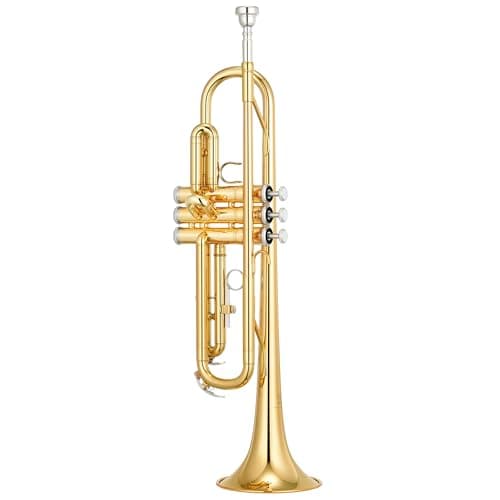 Yamaha YTR-2330A . | Step-up trumpet, year two onwardEnough | 8.8 | $1,400.00 · View on Amazon #ad How we’re funded |
| 2 | 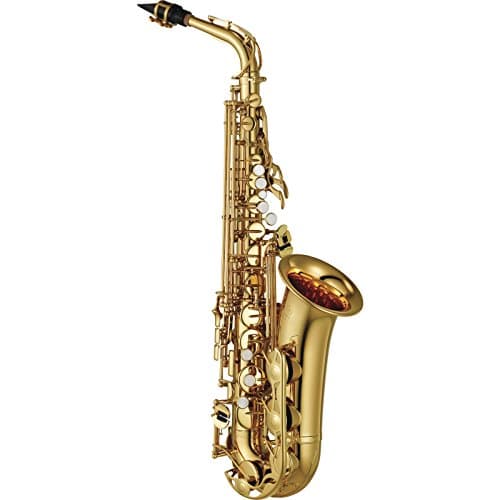 Yamaha YAS-280Lightweight, ergonomically shaped for a young player, with an adjustable thumb hook, a high F# key and a redesigned low B-to-C# connection. | Step-up alto sax, year two onwardEnough | 9.0 | $1,539.00 · View on Amazon #ad How we’re funded |
The picks in full
Yamaha YCL-255
YamahaBest for: Step-up clarinet, year two onward
ABS resin body with a 65 mm barrel taken from Yamaha's high-end clarinets, Valentino pads and a 4C mouthpiece. The default student clarinet in most band rooms.
Published specifications
- Body:
- ABS resin, matte wood-like finish
- System:
- Boehm, 17 keys and 6 rings
- Keywork:
- Power-forged, nickel-plated nickel silver
- Barrel:
- 65 mm — the length used on Yamaha's high-end clarinets
- Pads:
- Valentino
- Bell:
- Solid ABS resin with resonance chamber
- Thumb rest:
- Adjustable, with strap ring
- Mouthpiece:
- Yamaha 4C
What it gets right
- ABS resin does not crack in a dry house, which is the failure that ends cheap wooden clarinets
- The 65 mm barrel is genuinely the same specification as Yamaha's expensive clarinets, and it is a large part of why this one plays in tune
- An adjustable thumb rest with a strap ring, which matters because a clarinet's weight lands on one thumb
Where it gives ground
- Resin will never have the warmth of grenadilla wood, and a student will notice when they play a wooden one
- The included 4C mouthpiece is competent and is the first thing many teachers upgrade
What it is not good at
Being a year-one purchase. Rent through the school first; directors reassign students in the first months and this is real money to have committed.
How the specs score against a beginner’s needs
Scores are our reading of the published specifications above against what a beginner physically needs. They are not test results — we have not played this instrument.
Specifications from Yamaha USA — YCL-255 overview.
Yamaha YFL-222
YamahaBest for: Step-up flute, year two onward
Silver-plated nickel silver throughout with pointed key arms and stainless steel springs. The flute most school programs treat as the standard once a student commits.
Published specifications
- Head / body / footjoint:
- Silver-plated nickel silver
- Keys:
- Hand-assembled silver-plated, offset G, closed hole (plateau)
- Footjoint:
- C foot
- Headjoint:
- CY, double flare taper with undercut embouchure hole
- Key arms:
- Pointed, for even pad-cup pressure
- Springs:
- Stainless steel
What it gets right
- Pointed key arms spread pressure evenly across the pad cup, which means a better seal and fewer leaks as the instrument ages
- Stainless steel springs resist the corrosion that makes cheap flute keys sluggish
- Closed-hole plateau keys give a beginner a solid platform for fingering before open holes are ever a question
Where it gives ground
- Offset G and closed holes are the right beginner choices and are also what a player eventually moves past
- Silver plate wears through at the contact points over years of daily use
What it is not good at
Being a year-one purchase. Rent through the school first — reassignment is common in the first months and this is not a cheap instrument to be stuck with.
How the specs score against a beginner’s needs
Scores are our reading of the published specifications above against what a beginner physically needs. They are not test results — we have not played this instrument.
Specifications from Yamaha YFL-222 published specifications (West Music).
Yamaha YTR-2330
YamahaBest for: Step-up trumpet, year two onward
A .459 inch bore with monel pistons, a gold brass leadpipe and an adjustable third valve trigger. Yamaha's top-selling student trumpet and the one directors name first.
Published specifications
- Key:
- Bb
- Bore:
- .459"
- Bell:
- Yellow brass, two-piece, 4-7/8" diameter
- Leadpipe:
- Gold brass
- Valves:
- Monel pistons
- Third valve:
- Adjustable trigger
- Finish:
- Lacquer or silver plate
- Included:
- Mouthpiece
What it gets right
- Monel pistons are corrosion-resistant and stay smooth, which is the difference between a trumpet that stays fast and one that gums up
- The adjustable third valve trigger is how a player corrects the intonation problem every trumpet has on low D and C#
- A gold brass leadpipe warms the response slightly against plain yellow brass
Where it gives ground
- Student trumpets are all broadly similar on paper, so the case for this one is build quality rather than specification
- Lacquer wears at the contact points and looks tired long before it plays badly
What it is not good at
Being a year-one purchase. Brass reassignment is the most common kind in a band room, because embouchure suitability is unknowable in advance. Rent first.
How the specs score against a beginner’s needs
Scores are our reading of the published specifications above against what a beginner physically needs. They are not test results — we have not played this instrument.
Specifications from Yamaha Europe — YTR-2330 specifications.
Yamaha YAS-280
YamahaBest for: Step-up alto sax, year two onward
Lightweight, ergonomically shaped for a young player, with an adjustable thumb hook, a high F# key and a redesigned low B-to-C# connection. Widely treated as the standard student alto.
Published specifications
- Key:
- Eb alto
- Material:
- Brass, gold lacquer finish
- Bell:
- Two-piece
- Key touches:
- White polyester
- Mechanism:
- Improved B-C# connector, high F# key, adjustable thumb hook
- Neck receiver:
- Redesigned for stability
- Included:
- Yamaha 4C mouthpiece, case with rucksack straps, sax strap, cork grease
What it gets right
- Genuinely designed around a young player — light, and shaped so the hands fall naturally rather than reaching
- The adjustable thumb hook matters more than it sounds: a saxophone's weight lands on the right thumb, and a fixed hook fits one hand size
- High F# key included, which the method book will want before the second year is out
Where it gives ground
- Even a lightweight alto is heavy for a small eleven-year-old over a full rehearsal
- The 4C mouthpiece is a solid start and a very common first upgrade
What it is not good at
Being a year-one purchase. Saxophone is the most requested section and the most reassigned; rent until the placement is settled.
How the specs score against a beginner’s needs
Scores are our reading of the published specifications above against what a beginner physically needs. They are not test results — we have not played this instrument.
Specifications from Yamaha YAS-280 published specifications.
Questions people actually ask
What is a step-up band instrument?
The tier above entry-level student instruments: better key regulation, better materials and better quality control. It is what most school programs mean when they say a student has outgrown their first instrument.
When should a student upgrade?
At the end of a first year that went well, once the student has settled into a section and intends to continue. Upgrading earlier risks buying for an instrument they will be reassigned away from.
Does a better instrument make a student sound better?
It removes obstacles rather than adding ability. A well-regulated instrument responds evenly across its range, which means the student stops fighting mechanical problems and starts hearing their own progress.
Do step-up instruments hold their value?
Considerably better than budget instruments, because the school music market actively wants them secondhand. That is a real part of the argument for buying at this tier rather than below it.
Sources
Still deciding?
Every recommendation on this site is built the same way, and the method is published in full — including what we do not do and what would get a pick dropped.
Read next
- What a school band instrument should cost
The four Starter Path bands applied to band instruments, the specific way ultra-cheap ones fail, and the real cost of year one.
- Renting vs buying a school band instrument
Why year one is a rental year, what programs cover, the maintenance nobody warns you about, and when buying starts to win.
- Best beginner clarinets
Why resin beats wood for a student, what a 65mm barrel does for intonation, and two picks for the year-two step-up.
- Best beginner saxophones
Why alto is the beginner size, the ergonomic details that matter at eleven, and two picks for when buying is right.
- Best beginner trumpets
Bore size, monel versus stainless valves, the third valve trigger, and two picks for when buying is right.