Band & Orchestra
Is trumpet hard to learn?
The fingering is the simplest of any band instrument and the sound production is the hardest. Almost everything about learning trumpet follows from that split.
By Sawyer V. · Published · Last updated
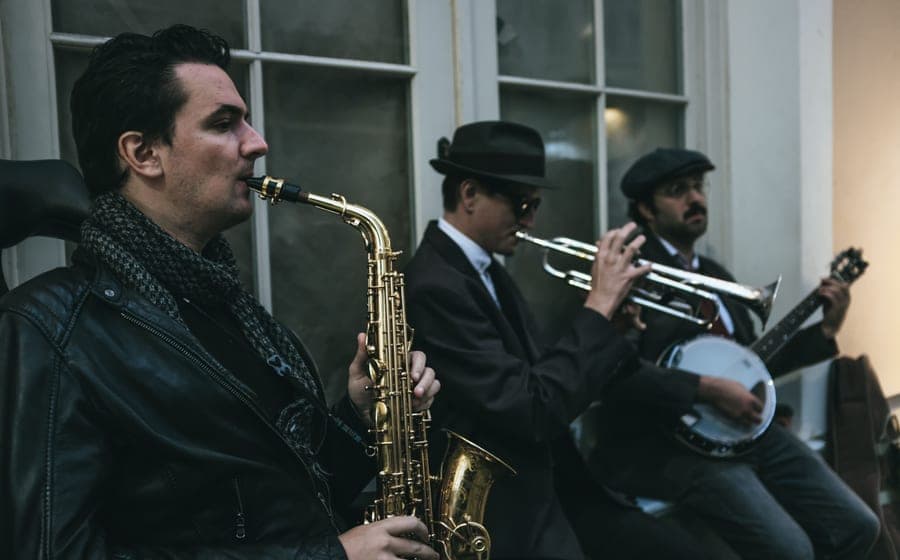
Trumpet is the instrument where the hard part arrives first and then largely goes away, which is the opposite of how most instruments work and the reason so many people give up on it in the first fortnight.
The picks state their Starter Path band, and we have not physically tested any of them.
Trumpet has the hardest first two weeks of any common band instrument, because the player produces the sound with their own lips rather than with a reed. It also has the simplest fingering of any of them — three valves — so once a note is stable, progress comes quickly.
Why the start is so hard
On a clarinet or a saxophone, a cane reed vibrates when you blow across it. The instrument produces the sound; the player shapes it.
On a trumpet there is no reed. The player’s lips are the vibrating element, buzzing against each other inside a small metal cup. That buzz is the sound, and the instrument only amplifies and pitches it.
Which means a beginner trumpet player has to build something that does not exist yet: a set of small facial muscles held in a specific, sustained shape. This is called the embouchure, it is genuinely a physical training process, and it cannot be rushed or explained around. Some players find a note in ten minutes and others take two weeks, and the difference predicts nothing about who ends up better.
The related instrument-wide version of this question is in woodwind versus brass for beginners.
Why the middle is easier than people expect
Three valves. That is the entire fingering system.
A saxophone has more than twenty keys. A flute has sixteen. A trumpet has three pistons and a set of combinations that a beginner can memorize in an afternoon, because the same three fingerings repeat across registers.
What changes between registers is not the fingering but the embouchure again — tighter for higher notes, looser for lower — which is why the difficulty on trumpet stays concentrated in one place instead of spreading out. Once the buzz is reliable, a trumpet student can play tunes surprisingly quickly.
What is genuinely hard later
Range. High notes are a stamina problem rather than a technique problem, and building the upper register takes years rather than months.
Endurance. The muscles tire. A beginner can play for fifteen minutes before their tone collapses, and that is normal. Short frequent sessions do far more than long ones, more so than on any other instrument on this site.
Pitch accuracy. The same fingering produces several different notes depending on the embouchure, so a trumpet player can be on the correct valve and the wrong note. This is unfamiliar to anyone coming from a fretted or keyed instrument.
The thing that makes it harder than it needs to be
A bad mouthpiece, or a dented one. The mouthpiece is where the entire difficulty lives, and a poor fit makes an already-hard job harder.
Both the instruments below ship with a serviceable mouthpiece — the Jean Paul TR-330#ad includes a 7C, which is the standard student size and a perfectly good place to start. Do not let anyone sell a beginner an exotic mouthpiece; the standard sizes are standard because they suit most faces.
The second avoidable problem is valves that stick, which on a neglected instrument they will. A drop of valve oil every week or two is the whole maintenance routine, and the rest is in how to clean a band instrument.
What to buy while you find out
Rent, if a school program offers it. Brass reassignment is the most common kind in a band room, because whether a particular student’s embouchure suits trumpet is genuinely unknowable in advance, and renting means that discovery costs a month rather than an instrument. The full case is in renting versus buying a band instrument.
If you are buying in year one anyway, the Jean Paul TR-330#ad is a medium-bore student trumpet with stainless steel valves, a two-piece yellow brass bell, and a 7C mouthpiece and case included. It gets a student through the first years honestly.
If the student has already stuck with it, the Yamaha YTR-2330#ad is the step: a .459 inch bore with monel pistons, a gold brass leadpipe and an adjustable third valve trigger. It is the horn band directors name first, and the third valve trigger matters because it is how a trumpet player corrects the pitch of specific notes that are sharp by design.
Both are compared against the alternatives in best beginner trumpets.
Compared with the rest of the band room
Harder to start than: clarinet, saxophone, flute and percussion, all of which make a sound sooner.
Easier to continue than: saxophone and flute, once the sound is established, because the fingering load is so much lighter.
The honest summary: trumpet suits a student who can tolerate two weeks of producing almost nothing, and rewards them quickly afterward. A student who needs an early win will do better on something with a reed. Which is which is set out in easiest band instruments to learn and, for the woodwind equivalent, in is saxophone hard to learn.
What we would buy
Jean Paul TR-330
Jean Paul USABest for: Budget trumpet, if buying in year one
A medium-bore student trumpet with stainless steel valves and a two-piece yellow brass bell, play-tested in the US before shipping, with a 7C mouthpiece and semi-hard case.
Published specifications
- Key:
- Bb
- Bore:
- Medium
- Bell:
- Two-piece yellow brass
- Valves:
- Stainless steel
- Finish:
- Gold lacquer
- Included:
- 7C mouthpiece, semi-hard case, valve oil, polishing cloth, gloves
What it gets right
- Play-tested in the US before it ships, which for a budget brass instrument is a meaningfully better process than none
- A complete package — mouthpiece, case, oil and cloth are all things you would otherwise buy
- Deliberate breath resistance suited to a beginner, rather than the wide-open blow that leaves a new player out of air
Where it gives ground
- Stainless steel valves are durable and not as smooth as monel over time
- Resale is minimal, so the saving over a Yamaha is smaller than it looks across a few years
What it is not good at
Growing with a serious player. It gets a student through the first years honestly; beyond that the Yamaha or an intermediate horn is the step.
How the specs score against a beginner’s needs
Scores are our reading of the published specifications above against what a beginner physically needs. They are not test results — we have not played this instrument.
Specifications from Jean Paul USA TR-330 published description.
Yamaha YTR-2330
YamahaBest for: Step-up trumpet, year two onward
A .459 inch bore with monel pistons, a gold brass leadpipe and an adjustable third valve trigger. Yamaha's top-selling student trumpet and the one directors name first.
Published specifications
- Key:
- Bb
- Bore:
- .459"
- Bell:
- Yellow brass, two-piece, 4-7/8" diameter
- Leadpipe:
- Gold brass
- Valves:
- Monel pistons
- Third valve:
- Adjustable trigger
- Finish:
- Lacquer or silver plate
- Included:
- Mouthpiece
What it gets right
- Monel pistons are corrosion-resistant and stay smooth, which is the difference between a trumpet that stays fast and one that gums up
- The adjustable third valve trigger is how a player corrects the intonation problem every trumpet has on low D and C#
- A gold brass leadpipe warms the response slightly against plain yellow brass
Where it gives ground
- Student trumpets are all broadly similar on paper, so the case for this one is build quality rather than specification
- Lacquer wears at the contact points and looks tired long before it plays badly
What it is not good at
Being a year-one purchase. Brass reassignment is the most common kind in a band room, because embouchure suitability is unknowable in advance. Rent first.
How the specs score against a beginner’s needs
Scores are our reading of the published specifications above against what a beginner physically needs. They are not test results — we have not played this instrument.
Specifications from Yamaha Europe — YTR-2330 specifications.
Questions people actually ask
Is trumpet hard to learn?
It has the hardest start of any common band instrument and one of the simplest fingering systems. Producing a stable note takes days or weeks; once it is there, progress is fast because there are only three valves.
How long does it take to get a sound out of a trumpet?
Some players buzz a note in the first lesson and others take a fortnight. Neither is predictive of anything. The variable is the embouchure — the shape of the lips and the muscles around them — and it is built by repetition.
Is trumpet harder than saxophone?
At the start, yes, clearly. A saxophone reed vibrates for you; a trumpet player’s lips are the reed. Later the positions reverse, because the saxophone has far more keys and fingering to learn.
Can an adult learn trumpet?
Yes, and adults often do better than expected, because embouchure development responds to consistent short daily practice and adults are better at that than children are.
Sources
Still deciding?
Every recommendation on this site is built the same way, and the method is published in full — including what we do not do and what would get a pick dropped.
Read next
- Best beginner trumpets
Bore size, monel versus stainless valves, the third valve trigger, and two picks for when buying is right.
- Woodwind or brass for a first band instrument?
How each family produces sound, what that means for the first month, running costs, and how each suits different students.
- Renting vs buying a school band instrument
Why year one is a rental year, what programs cover, the maintenance nobody warns you about, and when buying starts to win.
- Is the saxophone hard to learn?
Why the first note comes easily, the three things that actually take time, and a realistic stage-by-stage timeline.
- The easiest band instruments to learn
Ranked by time to a reliable first note, with what embouchure is and why it decides the ranking.