Band & Orchestra
Clarinet vs trumpet for beginners
One makes a sound on the first day and asks for twenty keys of fingering. The other makes almost nothing for a fortnight and then asks for three.
By Sawyer V. · Published · Last updated
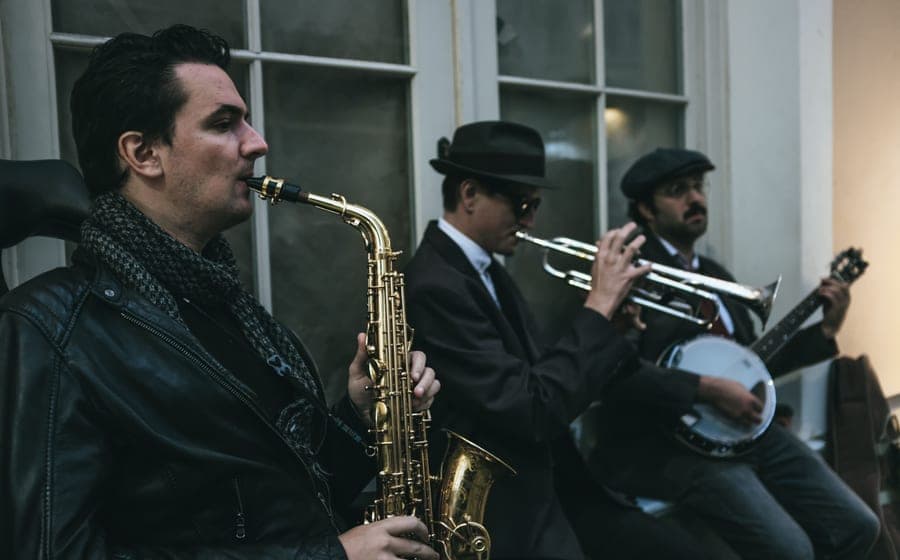
This is the choice most school band parents actually face, because clarinet and trumpet are the two instruments a beginning band program has the most of. They sit on opposite sides of the woodwind-brass line and they are hard in opposite places.
Every pick states its Starter Path band, and we have not physically tested any of them — the method is on how we pick.
Clarinet is easier to get a sound out of and harder to finger. Trumpet is nearly impossible for the first fortnight and then straightforward. Clarinet is quieter at home and more expensive to run; trumpet is louder and cheaper to keep going. Rent either one for the first year.
Getting a sound: clarinet wins easily
A clarinet uses a single cane reed clamped to the mouthpiece. Blow across it and it vibrates. Most students produce a note in their first lesson, and a recognizable one within a week.
A trumpet has no reed. The player’s lips buzz against each other inside the mouthpiece, and that buzz is the sound. Building the facial muscles to sustain it takes days or weeks, and during that period there is very little to show for the practice.
For a student who needs an early win to stay interested, that difference decides it. How reeds work, and why a beginner should buy softer ones, is in reeds explained for beginners.
Fingering: trumpet wins easily
The Yamaha YCL-255#ad uses the Boehm system: 17 keys and six rings, with both hands covering holes as well as pressing keys. There is a great deal to learn, and the clarinet additionally has a register break — a point where crossing from the low register to the upper one changes the fingering wholesale — that is the notorious hurdle of the first year.
The Yamaha YTR-2330#ad has three valves. That is all. The same combinations repeat across registers, which means the fingering can be learned in an afternoon and then never really gets harder.
So the two instruments trade: the clarinet front-loads the reward and back-loads the work, and the trumpet does the reverse. Where each one gets hard is set out in is trumpet hard to learn.
Volume at home
Trumpet, by a distance, and this decides more of these choices than any musical consideration does.
A trumpet is designed to project across an ensemble without amplification, and a beginner has no dynamic control yet, so what happens in a bedroom is the instrument at close to its full output. A clarinet at beginner level is quieter and its tone is less piercing, although the early squeaks are their own kind of test.
A practice mute exists for trumpet and is worth owning. It changes the resistance the player feels, so it is a compromise rather than a solution, but it makes evening practice possible in a flat.
Running costs
Clarinet is the more expensive instrument to keep playing. Reeds are consumable. They chip, they warp, they wear out, and a student gets through them steadily. Pads also need attention over time, sooner on a budget instrument than on a good one.
Trumpet is cheaper. Valve oil and slide grease, occasionally, and a proper clean a few times a year. There is nothing on a trumpet that is consumed the way a reed is.
Across a school year that difference is real, and it is rarely mentioned when the instrument is chosen. The wider cost picture is in what a band instrument should cost.
Physical fit
Clarinet needs fingers long enough to cover open tone holes completely. A partial seal produces nothing, which is unforgiving for a small eight- or nine-year-old in a way that a keyed instrument is not.
Trumpet needs very little reach — three valves under three fingers — but it needs to be held up, and it has real weight for a small player over a forty-minute rehearsal.
Neither is a decisive objection at typical band-starting age, and the sizing detail for smaller students is in best band instruments for small players.
What to buy, and when
Rent for year one on either instrument. Band directors reassign students in the first months based on embouchure and on what the section needs, and a rented instrument gets swapped where a purchased one becomes an expensive ornament. This is the single most common way families waste money on band, and the argument is in renting versus buying a band instrument.
If you are buying in year one regardless, the Jean Paul CL-300#ad and Jean Paul TR-330#ad are the budget options on each side: a complete Boehm 17-key system on the clarinet, and stainless steel valves with a 7C mouthpiece on the trumpet. The system is complete on both; the tolerances are where the money went.
For year two onward, the Yamahas are the instruments band directors name first. Picks and alternatives are in best beginner clarinets and best beginner trumpets.
How we would choose
Choose clarinet if the student needs early encouragement, if the house is small or shared, or if they are drawn to the sound of a woodwind section.
Choose trumpet if the student can tolerate two hard weeks, if the noise is manageable, or if they want to play the part people notice.
Let the director choose if there is one, because band programs balance sections and a student placed where they are needed has a better year than one placed where they insisted. The wider version of this decision is in choosing a school band instrument.
What we would buy
Yamaha YCL-255
YamahaBest for: Step-up clarinet, year two onward
ABS resin body with a 65 mm barrel taken from Yamaha's high-end clarinets, Valentino pads and a 4C mouthpiece. The default student clarinet in most band rooms.
Published specifications
- Body:
- ABS resin, matte wood-like finish
- System:
- Boehm, 17 keys and 6 rings
- Keywork:
- Power-forged, nickel-plated nickel silver
- Barrel:
- 65 mm — the length used on Yamaha's high-end clarinets
- Pads:
- Valentino
- Bell:
- Solid ABS resin with resonance chamber
- Thumb rest:
- Adjustable, with strap ring
- Mouthpiece:
- Yamaha 4C
What it gets right
- ABS resin does not crack in a dry house, which is the failure that ends cheap wooden clarinets
- The 65 mm barrel is genuinely the same specification as Yamaha's expensive clarinets, and it is a large part of why this one plays in tune
- An adjustable thumb rest with a strap ring, which matters because a clarinet's weight lands on one thumb
Where it gives ground
- Resin will never have the warmth of grenadilla wood, and a student will notice when they play a wooden one
- The included 4C mouthpiece is competent and is the first thing many teachers upgrade
What it is not good at
Being a year-one purchase. Rent through the school first; directors reassign students in the first months and this is real money to have committed.
How the specs score against a beginner’s needs
Scores are our reading of the published specifications above against what a beginner physically needs. They are not test results — we have not played this instrument.
Specifications from Yamaha USA — YCL-255 overview.
Yamaha YTR-2330
YamahaBest for: Step-up trumpet, year two onward
A .459 inch bore with monel pistons, a gold brass leadpipe and an adjustable third valve trigger. Yamaha's top-selling student trumpet and the one directors name first.
Published specifications
- Key:
- Bb
- Bore:
- .459"
- Bell:
- Yellow brass, two-piece, 4-7/8" diameter
- Leadpipe:
- Gold brass
- Valves:
- Monel pistons
- Third valve:
- Adjustable trigger
- Finish:
- Lacquer or silver plate
- Included:
- Mouthpiece
What it gets right
- Monel pistons are corrosion-resistant and stay smooth, which is the difference between a trumpet that stays fast and one that gums up
- The adjustable third valve trigger is how a player corrects the intonation problem every trumpet has on low D and C#
- A gold brass leadpipe warms the response slightly against plain yellow brass
Where it gives ground
- Student trumpets are all broadly similar on paper, so the case for this one is build quality rather than specification
- Lacquer wears at the contact points and looks tired long before it plays badly
What it is not good at
Being a year-one purchase. Brass reassignment is the most common kind in a band room, because embouchure suitability is unknowable in advance. Rent first.
How the specs score against a beginner’s needs
Scores are our reading of the published specifications above against what a beginner physically needs. They are not test results — we have not played this instrument.
Specifications from Yamaha Europe — YTR-2330 specifications.
Jean Paul CL-300
Jean Paul USABest for: Budget clarinet, if buying in year one
Ebonite body with nickel keys on the full Boehm 17-key system, at roughly half what the Yamaha costs. The system is complete; the tolerances are where the money went.
Published specifications
- Body:
- Ebonite
- Keys:
- Nickel-plated
- System:
- Boehm, 17 keys
What it gets right
- The full 17-key Boehm system, so nothing in the method book is unplayable on it
- Ebonite is stable in a dry house, same practical advantage as the Yamaha's resin
- Low enough cost that an uncertain first year is not an expensive bet
Where it gives ground
- Pad seating and key regulation are the weak points, and a leak develops sooner than on the Yamaha
- The supplied mouthpiece is basic even by student standards
What it is not good at
Surviving without maintenance. Woodwind pads are consumable on any instrument, and on a budget one they need attention sooner. This is exactly why school rental is worth its price.
How the specs score against a beginner’s needs
Scores are our reading of the published specifications above against what a beginner physically needs. They are not test results — we have not played this instrument.
Specifications from Jean Paul USA CL-300 published description.
Jean Paul TR-330
Jean Paul USABest for: Budget trumpet, if buying in year one
A medium-bore student trumpet with stainless steel valves and a two-piece yellow brass bell, play-tested in the US before shipping, with a 7C mouthpiece and semi-hard case.
Published specifications
- Key:
- Bb
- Bore:
- Medium
- Bell:
- Two-piece yellow brass
- Valves:
- Stainless steel
- Finish:
- Gold lacquer
- Included:
- 7C mouthpiece, semi-hard case, valve oil, polishing cloth, gloves
What it gets right
- Play-tested in the US before it ships, which for a budget brass instrument is a meaningfully better process than none
- A complete package — mouthpiece, case, oil and cloth are all things you would otherwise buy
- Deliberate breath resistance suited to a beginner, rather than the wide-open blow that leaves a new player out of air
Where it gives ground
- Stainless steel valves are durable and not as smooth as monel over time
- Resale is minimal, so the saving over a Yamaha is smaller than it looks across a few years
What it is not good at
Growing with a serious player. It gets a student through the first years honestly; beyond that the Yamaha or an intermediate horn is the step.
How the specs score against a beginner’s needs
Scores are our reading of the published specifications above against what a beginner physically needs. They are not test results — we have not played this instrument.
Specifications from Jean Paul USA TR-330 published description.
Questions people actually ask
Is clarinet or trumpet easier for a beginner?
Clarinet is easier to get a first sound out of, because the reed vibrates for you. Trumpet is easier to finger, because it has three valves against the clarinet’s 17 keys and six rings.
Which is louder at home, clarinet or trumpet?
Trumpet, clearly and by a wide margin. A beginner trumpet in a small house is a real consideration, and it is the practical reason many families end up choosing clarinet.
Which costs more to run, clarinet or trumpet?
Clarinet. Reeds are consumable and get bought every few weeks; trumpet needs valve oil and slide grease, which last months. Over a school year the clarinet is the more expensive instrument to keep playing.
Should we rent or buy for a first year of band?
Rent, on either instrument. Directors reassign students in the first months based on embouchure and section balance, and a rented instrument can be swapped where a purchased one cannot.
Sources
Still deciding?
Every recommendation on this site is built the same way, and the method is published in full — including what we do not do and what would get a pick dropped.
Read next
- Best beginner clarinets
Why resin beats wood for a student, what a 65mm barrel does for intonation, and two picks for the year-two step-up.
- Best beginner trumpets
Bore size, monel versus stainless valves, the third valve trigger, and two picks for when buying is right.
- Woodwind or brass for a first band instrument?
How each family produces sound, what that means for the first month, running costs, and how each suits different students.
- Choosing a school band instrument
Which instrument suits which child, what school rental covers, and the honest case for not buying in year one.
- Renting vs buying a school band instrument
Why year one is a rental year, what programs cover, the maintenance nobody warns you about, and when buying starts to win.