Band & Orchestra
Best beginner clarinets
The one band instrument where the cheap material is genuinely the right material, and where one small measurement explains most of the price gap.
By Sawyer V. · Published · Last updated
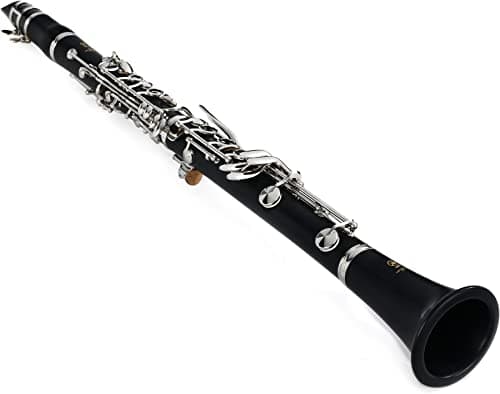
As with every instrument on this hub: rent through the school in year one if you can. Clarinet is often the largest section in a band, which means it is also a common destination for a reassigned student, and rental covers the pad and cork maintenance woodwind genuinely needs. The reasoning is in renting vs buying.
This page is for the year-two step-up and for schools with no rental program. Both picks state their Starter Path band, and we have not played them — the method is on how we pick.
Buy a resin or ebonite body, not wood, and make sure it is a Boehm-system instrument with 17 keys and 6 rings. Resin does not crack in a dry house, which is what ends cheap wooden clarinets, and Boehm is the layout every method book and teacher assumes.
Why resin is the right material here
This is unusual and worth saying plainly, because the instinct is that wood must be better.
Professional clarinets are made of grenadilla, a dense African hardwood, and they sound warmer than resin. They also respond to humidity: in a dry house with central heating, a wooden clarinet can crack, and a cracked clarinet is an expensive repair or a dead instrument.
A student instrument lives in a school bag, gets carried between a warm classroom and a cold walk home, and is owned by someone who will not be managing its humidity. ABS resin simply does not participate in any of that.
The Yamaha YCL-255#ad uses ABS resin with a matte wood-like finish; the Jean Paul CL-300#ad uses ebonite, which is a hard rubber compound with the same practical advantage. Both are correct choices for a student, not compromises.
The 65 mm barrel, and why it matters
The barrel is the short section between the mouthpiece and the upper joint, and its length is one of the main things setting the instrument’s overall pitch and how well it plays in tune with itself.
Yamaha specifies a 65 mm barrel on the YCL-255 — the same length used on their high-end clarinets. That is a genuinely notable specification at this price, and it is a large part of why the instrument produces a clear, focused tone and holds its intonation across registers.
It also redesigns the bell as solid resin with a resonance chamber, which the maker credits with improved projection and better intonation in the lower notes — exactly where beginners struggle most.
The register break, and what it means for buying
Every clarinet student hits the same wall around the twelfth note of the method book. The instrument jumps register, and crossing that break cleanly needs the fingers and the air to change together.
It is worth knowing about when buying because of what students conclude. A beginner hitting the register break for the first time thinks the instrument is broken or that they are failing. Neither is true — it catches essentially everyone, and it takes a few weeks.
A well-sealing instrument makes it easier, which is a real argument for the better build. A leaking one makes it close to impossible, which is a real argument for rental maintenance.
What separates the two picks
The Yamaha adds the 65 mm barrel, Valentino pads, power-forged nickel-plated nickel silver keywork, and an adjustable thumb rest with a strap ring. That thumb rest matters more than it sounds: a clarinet’s entire weight rests on one thumb, and a fixed rest fits exactly one hand size.
The Jean Paul has the full 17-key Boehm system, so nothing in the method book is unplayable, at roughly half the price. What it gives up is tolerance: pad seating and key regulation are where budget instruments show their cost, and a leak develops sooner.
What to skip
Wooden clarinets for a student, covered above.
Very cheap unbranded clarinets. The bottom of the band-instrument market includes instruments with misplaced tone holes that cannot play in tune. No amount of practice corrects it.
Buying before the director has assessed fit. Clarinet needs a particular embouchure and a hand that reaches the lower joint comfortably. Both are checked in ten seconds by someone who has seen it a thousand times.
What you also need
Reeds, which are consumable and the single most-forgotten recurring cost — buy a box, not one. Cork grease. A swab, used after every session. And a music stand.
Quick picks
The step-up standard
ABS resin with a 65mm barrel taken from Yamaha's high-end clarinets, Valentino pads and an adjustable thumb rest. The default in most band rooms.
| # | Product | Best for | Score | Price |
|---|---|---|---|---|
| 1 | Yamaha YCL-255ABS resin body with a 65 mm barrel taken from Yamaha's high-end clarinets, Valentino pads and a 4C mouthpiece. | Step-up clarinet, year two onwardEnough | 8.9 | $829.00 · View on Amazon #ad How we’re funded |
If buying in year one, on a budget
The full Boehm 17-key system in an ebonite body at roughly half the price. The system is complete; the tolerances are where the money went.
| # | Product | Best for | Score | Price |
|---|---|---|---|---|
| 1 | 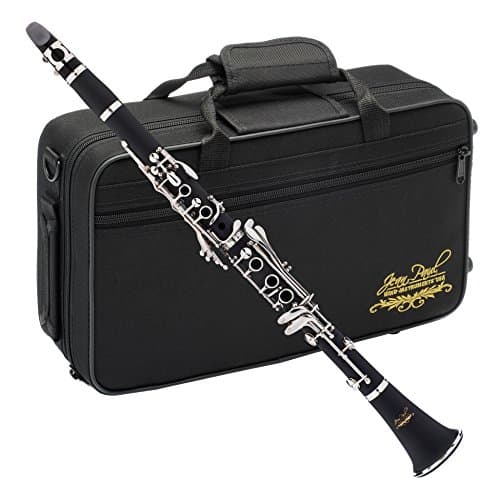 Jean Paul CL-300Ebonite body with nickel keys on the full Boehm 17-key system, at roughly half what the Yamaha costs. | Budget clarinet, if buying in year oneThe honest floor | 7.2 | $279.99 · View on Amazon #ad How we’re funded |
The picks in full
Yamaha YCL-255
YamahaBest for: Step-up clarinet, year two onward
ABS resin body with a 65 mm barrel taken from Yamaha's high-end clarinets, Valentino pads and a 4C mouthpiece. The default student clarinet in most band rooms.
Published specifications
- Body:
- ABS resin, matte wood-like finish
- System:
- Boehm, 17 keys and 6 rings
- Keywork:
- Power-forged, nickel-plated nickel silver
- Barrel:
- 65 mm — the length used on Yamaha's high-end clarinets
- Pads:
- Valentino
- Bell:
- Solid ABS resin with resonance chamber
- Thumb rest:
- Adjustable, with strap ring
- Mouthpiece:
- Yamaha 4C
What it gets right
- ABS resin does not crack in a dry house, which is the failure that ends cheap wooden clarinets
- The 65 mm barrel is genuinely the same specification as Yamaha's expensive clarinets, and it is a large part of why this one plays in tune
- An adjustable thumb rest with a strap ring, which matters because a clarinet's weight lands on one thumb
Where it gives ground
- Resin will never have the warmth of grenadilla wood, and a student will notice when they play a wooden one
- The included 4C mouthpiece is competent and is the first thing many teachers upgrade
What it is not good at
Being a year-one purchase. Rent through the school first; directors reassign students in the first months and this is real money to have committed.
How the specs score against a beginner’s needs
Scores are our reading of the published specifications above against what a beginner physically needs. They are not test results — we have not played this instrument.
Specifications from Yamaha USA — YCL-255 overview.
Jean Paul CL-300
Jean Paul USABest for: Budget clarinet, if buying in year one
Ebonite body with nickel keys on the full Boehm 17-key system, at roughly half what the Yamaha costs. The system is complete; the tolerances are where the money went.
Published specifications
- Body:
- Ebonite
- Keys:
- Nickel-plated
- System:
- Boehm, 17 keys
What it gets right
- The full 17-key Boehm system, so nothing in the method book is unplayable on it
- Ebonite is stable in a dry house, same practical advantage as the Yamaha's resin
- Low enough cost that an uncertain first year is not an expensive bet
Where it gives ground
- Pad seating and key regulation are the weak points, and a leak develops sooner than on the Yamaha
- The supplied mouthpiece is basic even by student standards
What it is not good at
Surviving without maintenance. Woodwind pads are consumable on any instrument, and on a budget one they need attention sooner. This is exactly why school rental is worth its price.
How the specs score against a beginner’s needs
Scores are our reading of the published specifications above against what a beginner physically needs. They are not test results — we have not played this instrument.
Specifications from Jean Paul USA CL-300 published description.
Questions people actually ask
Should a beginner clarinet be wood or plastic?
Resin or ebonite, not wood, and this is one of the few places where the cheaper material is genuinely the better choice for a student. Wooden clarinets crack in dry conditions and need careful humidity management. A resin body ignores all of it and survives a school bag.
What is the Boehm system?
The standard clarinet key layout: 17 keys and 6 rings. It is what every method book, every fingering chart and every teacher assumes. Any clarinet you consider should be a Boehm system instrument — both picks here are.
What is the register break?
The point where a clarinet jumps from its lower register to its upper one, which requires a coordinated change of fingers and air. It arrives about a dozen notes into the method book and catches essentially every student out for a few weeks. It is normal, not a fault.
Does the mouthpiece matter?
More than most people expect, and it is a common first upgrade. Both picks include a serviceable student mouthpiece — the Yamaha comes with its 4C. A better mouthpiece is a cheap improvement once the student is established, and it is usually the teacher who suggests it.
Sources
Still deciding?
Every recommendation on this site is built the same way, and the method is published in full — including what we do not do and what would get a pick dropped.
Read next
- Renting vs buying a school band instrument
Why year one is a rental year, what programs cover, the maintenance nobody warns you about, and when buying starts to win.
- The easiest band instruments to learn
Ranked by time to a reliable first note, with what embouchure is and why it decides the ranking.
- Choosing a school band instrument
Which instrument suits which child, what school rental covers, and the honest case for not buying in year one.
- Best beginner flutes
Closed-hole and offset G explained, the split E mechanism, and the two picks for a year-two step-up.
- Best beginner saxophones
Why alto is the beginner size, the ergonomic details that matter at eleven, and two picks for when buying is right.
- Clarinet vs trumpet for beginners
Sound production, fingering load, home volume, running costs and reassignment risk, compared for a student choosing a first band instrument.