Start Here
Best instruments for travel
An instrument that travels well is not just a small one. It has to tolerate humidity swings, airline handling and being played in places with no chair.
By Sawyer V. · Published · Last updated
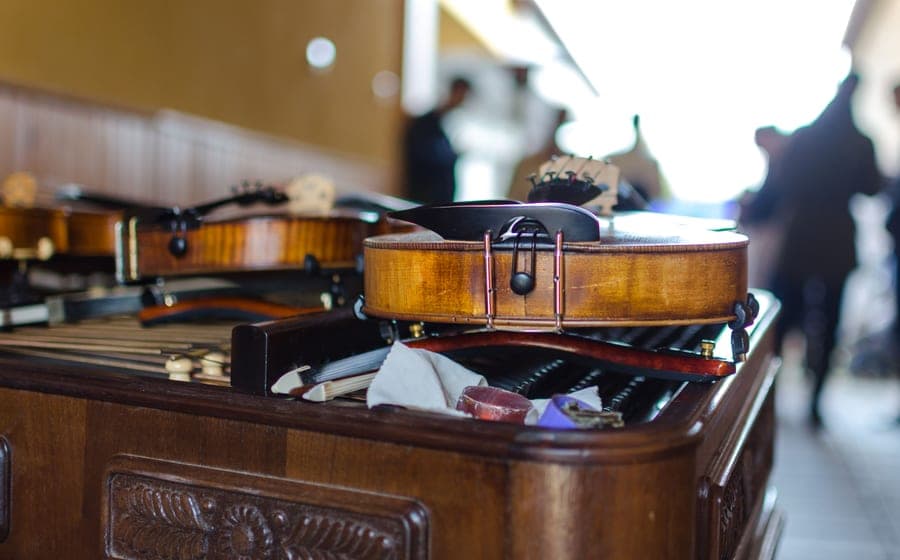
Most advice about travel instruments is really advice about small instruments, and those are not the same thing. A small wooden guitar in a soft bag is still a wooden guitar: it cracks when a hotel radiator dries it out and it dents when someone stacks a case on it.
A travel instrument is one that tolerates being treated like luggage. That points at materials as much as at size.
We have not played these instruments. What follows is our reading of published specifications; the method is on how we pick.
For the smallest useful instrument, a harmonica. For chords and singing, a carbon fiber ukulele that ignores humidity. For a real guitar, a small-bodied model with laminate back and sides. For drummers, a practice pad. In every case, choose the durable version rather than the best-sounding one.
What makes an instrument travel well
1. Material, not size. Solid wood sounds best and moves most with humidity. Composite and high-pressure laminate bodies sound less complex and survive climates that crack solid tops. On a travel instrument that trade is the right way round.
2. It survives without a hard case. Hard cases are heavy and often the reason people leave the instrument at home. An instrument that is fine in a gig bag gets taken.
3. It needs no accessories to work. Every cable, stand and adapter is another thing to forget in a hotel room.
4. It is quiet enough for a hotel. Thin walls everywhere. This is the same problem as a dorm, covered in best instruments for college dorms.
5. You would not weep if it were lost. A genuine consideration. Airlines lose things.
How we ranked these
Time to first sound first, then running cost, then how quiet it is where you are staying, then room to grow.
The picks
The Hohner Special 20 (Key of C)#ad is the most travel-friendly real instrument there is. It fits in a jacket pocket, weighs nothing, needs no case, no tuning and no accessories, and it is unaffected by the humidity swings that damage wooden instruments. The Special 20 has a plastic comb rather than the traditional wooden one, which is exactly why it tolerates travel.
The honest limits: a diatonic harmonica plays in one key, so playing along with other people means owning the right key or a few of them. And it is a genuinely difficult instrument to play well, despite being easy to make a sound on — the key question is covered in how to choose a harmonica key.
The Enya Nova U Mini#ad is the pick for anyone who wants to play chords and sing. A 21 inch soprano built from a carbon fiber composite, 430 g, with a semi-hard case, strap, capo and spare strings included. Because it is not wood, a dry hotel room or a humid coast does nothing to it.
The trades are tight fret spacing for larger hands and a sound that is brighter and less woody than a mahogany ukulele. For travel that is a reasonable exchange, and the wider field is in best travel ukuleles.
The Martin LX1 Little Martin#ad is the answer when it has to be a real guitar. A 23 inch scale, a solid spruce top for sound, and mahogany-pattern high-pressure laminate back and sides, which is the specification that matters here: HPL does not move with humidity the way solid wood does.
It is the least resonant guitar of its price because of that laminate, and it costs well above a beginner budget. The direct comparison with the other obvious choice is in Taylor GS Mini vs Little Martin.
The Evans RealFeel 12" single-sided practice pad#ad covers drummers, who otherwise have no travel option at all. A 12 inch single-sided pad slides into a suitcase and keeps hands working through a trip.
It teaches nothing about feet or coordination, and a pad in a hotel room is still audible to a neighbor, if much less so than anything else percussive.
Before you fly
Check the airline, not the forum. Instrument policies vary and change. Ask the airline directly for anything guitar-sized.
Loosen nothing, but do not overtighten either. Standard advice about detuning for flights is contested; what is not contested is that extreme temperature is the real enemy, so do not leave an instrument in a car boot overnight.
Take spare strings. The one accessory worth the space, because a broken string on the road otherwise ends the trip’s playing.
Quick picks
The one that fits in a pocket
A harmonica is the only real instrument that travels in a jacket, needs no case and works the moment you take it out.
| # | Product | Best for | Score | Price |
|---|---|---|---|---|
| 1 | No image Hohner Special 20 (Key of C)Brass reed plates in a plastic comb, made in Germany, and a long-standing reputation for bending easily straight out of the box. | The first harmonica to buyEnough | 9.1 | Check price on Amazon → #ad How we’re funded |
If you want chords and singing
A carbon fiber ukulele ignores the humidity swings that crack wooden instruments, and it fits in a backpack.
| # | Product | Best for | Score | Price |
|---|---|---|---|---|
| 1 | 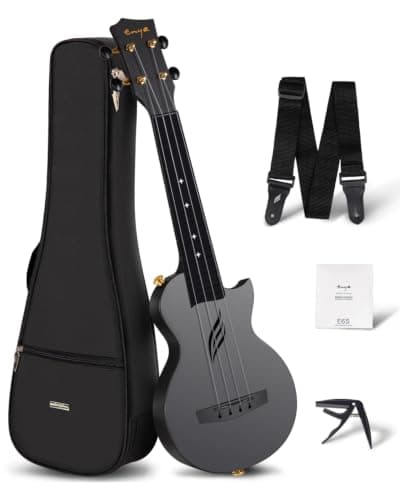 Enya Nova U MiniA 21 inch carbon-fiber-and-polycarbonate body weighing 430 grams. | Young kids, survives anythingThe honest floor | 8.0 | $55.24 · View on Amazon #ad How we’re funded |
If it has to be a real guitar
A small-bodied guitar with a solid top and high-pressure laminate back and sides, built to tolerate exactly this kind of treatment.
| # | Product | Best for | Score | Price |
|---|---|---|---|---|
| 1 | No image Martin LX1 Little MartinA 23 inch scale on a purpose-designed small body with HPL back and sides. | The one that actually travelsEnough | 8.6 | Check price on Amazon → #ad How we’re funded |
For drummers on the road
A practice pad is the only percussion that packs. It keeps hands working when the kit is a thousand miles away.
| # | Product | Best for | Score | Price |
|---|---|---|---|---|
| 1 | 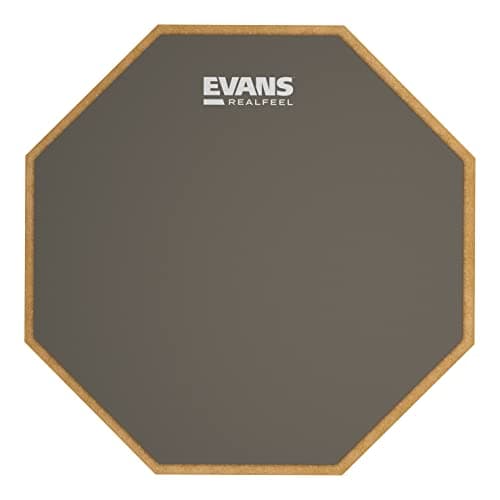 Evans RealFeel 12" single-sided practice padThe same gum rubber playing surface as the two-sided pad, without the neoprene side. | Lighter, one surfaceThe honest floor | 8.5 | $39.99 · View on Amazon #ad How we’re funded |
The picks in full
Hohner Special 20 (Key of C)
HohnerBest for: The first harmonica to buy
Brass reed plates in a plastic comb, made in Germany, and a long-standing reputation for bending easily straight out of the box. Bending is the technique that makes a harmonica sound like a harmonica, and this is the cheapest harp that makes it achievable.
Published specifications
- Type:
- 10-hole diatonic, 20 reeds
- Key:
- C — the standard beginner key
- Reed plates:
- Brass, 0.9 mm
- Comb:
- Plastic
- Length:
- Approximately 10.0 cm
- Tuning:
- Compromise tuning — favors chords
- Made in:
- Germany
What it gets right
- Widely documented as very easy to bend out of the box, both draw and blow bends — the single most important property for a learner
- Plastic comb does not swell with moisture the way a wooden comb does
- Compromise tuning makes chords sound sweeter, which is most of what a beginner plays
- Airtight enough that a beginner is not fighting leaks while learning breath control
Where it gives ground
- Costs several times what a toy-tier harmonica does, which stings before you understand why it matters
- Compromise tuning is very slightly less precise on single-note runs than equal temperament
- Reed plates are not designed to be swapped by the player the way Lee Oskar's are
- Key of C only — playing along with other music eventually means buying more keys
What it is not good at
Playing in any key but C. A diatonic harmonica plays one key, and a player who wants to jam with other people ends up owning several. That is normal for the instrument and it is a real ongoing cost nobody mentions upfront.
How the specs score against a beginner’s needs
Scores are our reading of the published specifications above against what a beginner physically needs. They are not test results — we have not played this instrument.
Specifications from Harmonica.com — Hohner Special 20 (Key of C) published review and specifications, The Harmonica Company — Hohner Special 20 vs Lee Oskar Major Diatonic comparison.
Enya Nova U Mini
EnyaBest for: Young kids, survives anything
A 21 inch carbon-fiber-and-polycarbonate body weighing 430 grams. It is water resistant and it does not care about humidity, which is the honest reason to buy it for a six-year-old.
Published specifications
- Size:
- Soprano, 21"
- Top / back / sides:
- 30% carbon fiber and polycarbonate composite
- Weight:
- 430 g (0.9 lb)
- Overall length:
- 22"
- Nut width:
- 1-3/8"
- Body:
- Arched back, radius fretboard, cutaway
- In the box:
- Semi-hard case, strap, capo, spare strings
What it gets right
- Composite body — it does not crack in a dry house or swell in a damp one, which is what actually kills cheap wooden ukuleles
- 430 grams; a five-year-old can carry it around by the neck all day, and they will
- Case, strap, capo and spare strings included
Where it gives ground
- It does not sound like wood, and no amount of playing will change that
- The composite body is a fixed quantity — there is no breaking-in and no improvement over time
What it is not good at
Tone. A mahogany Kala sounds warmer and fuller, plainly. You are buying survivability, and that is a legitimate thing to buy for a young child, but be clear that is the trade.
How the specs score against a beginner’s needs
Scores are our reading of the published specifications above against what a beginner physically needs. They are not test results — we have not played this instrument.
Specifications from Enya Music — Nova carbon fiber ukulele collection.
Martin LX1 Little Martin
MartinBest for: The one that actually travels
A 23 inch scale on a purpose-designed small body with HPL back and sides. The laminate is the feature: it shrugs off the temperature and humidity swings that ruin solid-wood guitars in transit.
Published specifications
- Scale length:
- 23"
- Body:
- Modified 0-14 fret, no cutaway — designed small rather than scaled down
- Top:
- Solid spruce
- Back and sides:
- Mahogany pattern HPL (high-pressure laminate)
- Strings:
- Steel
What it gets right
- HPL back and sides are close to indifferent to humidity and heat — the single best reason to take this one on a trip
- Solid spruce top, so it still sounds like wood rather than like plastic
- Smaller and lighter than the GS Mini
- Designed from the ground up as a small guitar rather than shrunk from a big one
Where it gives ground
- Quieter and thinner-sounding than the GS Mini — less body means less bass
- HPL looks like laminate up close, because it is
- 23 inch scale makes the strings noticeably slacker, which some players dislike
- Still not cheap for what is a second guitar for most buyers
What it is not good at
Being your only guitar. It is a genuinely good small instrument and it gives up low end to be one, which you will hear the moment you sit next to a full-size dreadnought.
How the specs score against a beginner’s needs
Scores are our reading of the published specifications above against what a beginner physically needs. They are not test results — we have not played this instrument.
Specifications from Guitar Chalk — Taylor GS Mini vs Martin LX1E published spec comparison, Sam Ash — GS Mini vs Little Martin spec comparison.
Evans RealFeel 12" single-sided practice pad
EvansBest for: Lighter, one surface
The same gum rubber playing surface as the two-sided pad, without the neoprene side. Lighter and cheaper, and for a beginner the second surface is not the point yet.
Published specifications
- Diameter:
- 12"
- Surface:
- Single — natural gum rubber
- Response:
- Realistic stick rebound, consistent across the surface
- Manufacture:
- Designed, engineered and made in the USA
What it gets right
- Identical playing surface to the two-sided pad, which is the part that matters
- Lighter, so it actually travels
- The cheapest genuinely good pad, which makes it the right first one
Where it gives ground
- One surface, so no harder option for strength work later
- The flat back slides on a smooth table without a stand
What it is not good at
Being the last pad a committed drummer owns. Most people who keep drumming end up wanting the second surface eventually.
How the specs score against a beginner’s needs
Scores are our reading of the published specifications above against what a beginner physically needs. They are not test results — we have not played this instrument.
Specifications from Evans RealFeel single-sided pad published description.
Questions people actually ask
What is the most travel-friendly instrument?
A harmonica, by a distance. It fits in a pocket, costs little, needs no accessories and is unaffected by humidity. After that, a ukulele, then a small-bodied guitar.
Can I take a guitar on a plane?
Policies differ by airline and by aircraft, and gate agents have discretion. Smaller guitars fit overhead bins more often than dreadnoughts, which is a large part of why travel-sized guitars exist. Check your specific airline before flying.
Does humidity really damage instruments?
Yes, and it is the main risk to a wooden instrument that travels. Dry air shrinks wood, which causes sharp fret ends and eventually cracks. That is the argument for composite and laminate bodies on a travel instrument.
Is a travel guitar worth owning if I have a full-size one?
If you travel often, yes. The alternative is either not playing for weeks or exposing a guitar you care about to car boots and hotel radiators.
What about a keyboard?
Portable keyboards travel by car reasonably well and by plane badly. If you need keys on the road, a 25-key USB controller and a laptop is the setup that actually packs — see best MIDI keyboards for beginners.
Still deciding?
Every recommendation on this site is built the same way, and the method is published in full — including what we do not do and what would get a pick dropped.
Read next
- Best travel guitars
Scale length versus body volume, why laminate is a feature on a travel guitar, and three picks from carry-anywhere to sounds-like-a-real-guitar.
- Best travel ukuleles
Composite versus wood for a knockabout ukulele, what actually breaks in a backpack, and the two picks worth taking anywhere.
- Best instruments for an apartment
Four instruments that survive a shared wall, ranked by how quiet they are at their loudest, plus the headphones that make the difference.
- Taylor GS Mini vs Little Martin
Scaled-down against designed-small, solid tops against HPL, and which one actually survives being carried around.
- Best instruments for college dorms
Why headphones and footprint decide this, what dorm rules usually forbid, and four instruments that work in a shared room.