Start Here
Instrument gifts that actually get played
The failure mode of a gifted instrument is not that it is disliked. It is that it is unplayable, and the person who receives it concludes they are the problem.
By Sawyer V. · Published · Last updated
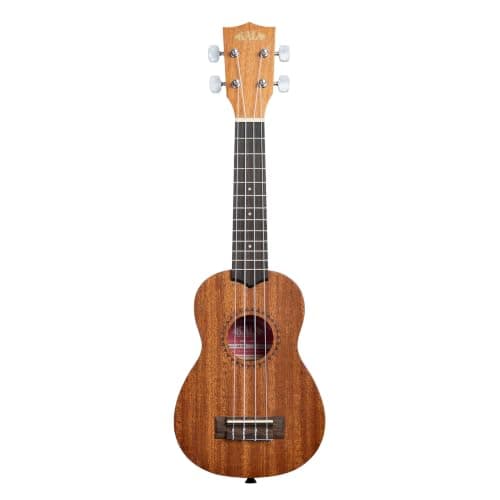
Buying an instrument for yourself and buying one for someone else are genuinely different problems. You can ask yourself about hand size, available space and how committed you actually are. For a gift you get none of that, and you usually cannot ask without spoiling the surprise.
So the criteria change. A gift instrument has to work for a person whose measurements and enthusiasm you are guessing at, and it has to work in the first week — because a gift that sits in a corner for a month never gets started at all.
Every pick states its Starter Path band, and none of these have been physically tested by us. The method is on how we pick.
For almost any recipient, a soprano ukulele plus a clip-on tuner. For a child under seven who specifically wants a guitar, a three-string short-scale guitar. For a child who will be rough with it, a molded carbon-fiber ukulele. For someone who has actually said the word piano, a 61-key board with full-size keys.
The failure mode you are trying to avoid
It is not that the recipient dislikes the instrument. It is that the instrument does not work, and they do not know that is what happened.
A guitar whose action is so high the strings cannot be pressed to the fret. A ukulele with a molded plastic nut that plays in tune for four frets and then does not. A keyboard with three-quarter-size keys that teaches a hand span which is wrong on every real piano. In each case, the beginner plays it, it sounds bad, and they conclude they have no talent.
That conclusion is sticky and it is the single most preventable failure in this whole category. Everything below is chosen to make it impossible.
The default gift: soprano ukulele plus a tuner
The Kala KA-15S#ad is the answer for most gifts and the reasons stack neatly.
Nylon strings under low tension need very little finger strength, so a child or an adult with no calluses can fret them on day one. Several usable chords need only one finger, which means a recognisable song inside a week — and early musical output is the strongest predictor of whether anyone continues. The body is 21 inches and needs no stand, no amp and no floor space.
Its two genuine quality decisions are invisible from a photograph and both matter. It ships with a NuBone nut and saddle rather than molded plastic, which is what decides whether the instrument plays in tune above the fifth fret, and it comes strung with Aquila Super Nylgut from the factory, so the first upgrade anyone would otherwise make is already done.
Add the Snark clip-on chromatic tuner#ad. It clips to the headstock, reads the vibration through the wood rather than through a microphone, and works in a noisy room. It is the cheapest thing you can put in the box and it is the one that decides whether the instrument sounds like music.
For a child who specifically wants a guitar
Children who ask for a guitar do not want a ukulele, and giving them one is a small betrayal they will notice.
The Loog Pro Acoustic#ad is the honest compromise. It is a real guitar with real guitar strings and guitar tuning, but with three strings rather than six on a short scale. Three strings means a full major chord under one finger shape, so the child plays music in week one instead of week six. Because the tuning matches the top three strings of a standard guitar, every chord shape learned transfers directly when they move up.
Manufacturer guidance puts it from about age six, which lines up with what we say in what age to start an instrument. For a younger child, or an older one buying their own, the fuller picture is in guitar sizes for kids.
For a child who will not be careful with it
The Enya Nova U Mini#ad exists for a specific gift scenario: a young child, a household that is not going to manage humidity, and an instrument that is going to be dropped.
It is molded from a carbon-fiber composite rather than built from wood. That means it does not care about a dry radiator-heated room or a damp shed, it does not develop the cracks a cheap laminate ukulele develops, and being knocked off a bed does not end its life. For a wooden instrument all three of those are real risks, and none of them are things a six-year-old is going to manage.
The trade is tone: composite does not have the warmth of mahogany and never will. For a first instrument for a small child, survival beats timbre, and this is one of the few places where we would knowingly take the less musical option.
If they have actually said the word piano
Keyboards are a harder gift because they are bigger, more expensive and easier to get wrong. If you are buying one anyway, the one specification that cannot be fixed later is key width.
The Casio Casiotone CT-S200#ad has 61 full-size keys. Full-size matters more for a child than for an adult, not less: a hand span learned on narrow keys has to be unlearned on every real piano the child ever touches, and unlearning a physical habit is far harder than learning it right. Everything else — key count, weighted action, sound library — is a legitimate upgrade later. Key width is not.
Before buying a keyboard as a surprise, read what you actually need to start piano, because a board on a dining table at the wrong height is a common and quiet way for keyboard gifts to fail.
What not to give
Anything from the toy aisle. Toy-tier instruments cannot be tuned, do not hold pitch, and are the clearest example of the below-the-floor band on this whole site. They are not a cheap version of the instrument — they are a different, worse object that happens to be the same shape.
Anything expensive, unsolicited. A large gift creates an obligation. If the recipient has not asked for the instrument, the appropriate size of gift is one they can abandon without guilt.
A sized instrument you have not measured for. Violins in particular come in fractional sizes chosen by arm length, and the wrong size is unplayable rather than merely awkward. If a violin is the plan, read violin sizes by age and consider gifting the rental instead.
A used instrument you cannot inspect. Used is often excellent value, and it is a bad fit for a surprise, for reasons set out in used versus new.
Quick picks
The safest gift for anyone, any age
Playable within a week, cheap enough not to be an obligation, and small enough that nobody has to find room for it.
| # | Product | Best for | Score | Price |
|---|---|---|---|---|
| 1 | Kala KA-15SMahogany throughout, a GraphTech NuBone nut and saddle, and Aquila strings fitted from the factory. | The honest floor, sopranoThe honest floor | 8.7 | $69.00 · View on Amazon #ad How we’re funded |
| 2 | No image Snark clip-on chromatic tunerClips to the headstock and reads pitch from the vibration of the wood, so it works in a noisy room and an adult who plays nothing can tune the instrument in twenty seconds. | Tuning anything with stringsThe honest floor | 9.0 | Check price on Amazon → #ad How we’re funded |
For a child under about seven
Two different answers depending on whether the child wants a guitar specifically or just wants to make music.
| # | Product | Best for | Score | Price |
|---|---|---|---|---|
| 1 | 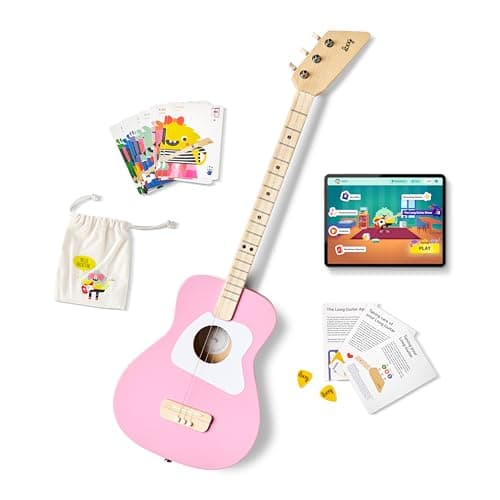 Loog Pro AcousticThree strings, a 20. | Ages 6-9, first chords fastThe honest floor | 8.0 | $149.00 · View on Amazon #ad How we’re funded |
| 2 | 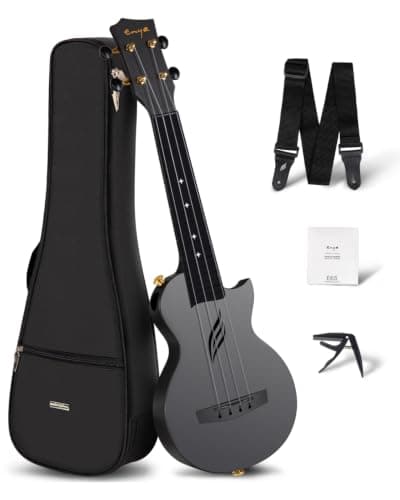 Enya Nova U MiniA 21 inch carbon-fiber-and-polycarbonate body weighing 430 grams. | Young kids, survives anythingThe honest floor | 8.0 | $59.14 · View on Amazon #ad How we’re funded |
If they have said the word piano
Full-size keys matter more than key count for a gift. This is the cheapest board that does not compromise on the part you cannot upgrade later.
| # | Product | Best for | Score | Price |
|---|---|---|---|---|
| 1 | 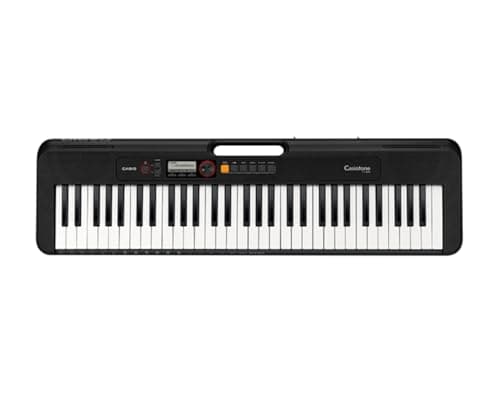 Casio Casiotone CT-S20061 full-size keys, 400 tones and a power supply in the box, at the price where most keyboards still ship with narrow mini keys. | Kids, full-size keysThe honest floor | 7.4 | $144.99 · View on Amazon #ad How we’re funded |
The picks in full
Kala KA-15S
Kala Brand MusicBest for: The honest floor, soprano
Mahogany throughout, a GraphTech NuBone nut and saddle, and Aquila strings fitted from the factory. The nut material is the spec that separates this from the pile of look-alikes.
Published specifications
- Size:
- Soprano
- Top / back / sides:
- Mahogany
- Neck / fretboard:
- Mahogany neck, rosewood fretboard
- Nut and saddle:
- GraphTech NuBone
- Scale length:
- 13.625"
- Frets:
- 12
- Nut width:
- 1.375"
- Overall length:
- 21.062"
- Strings:
- Aquila Super Nylgut
What it gets right
- NuBone nut and saddle rather than molded plastic — this is what decides whether the instrument plays in tune up the neck
- Aquila strings fitted at the factory, so the first thing you would otherwise replace is already done
- 21 inches overall and light enough for a small child to hold unsupported
Where it gives ground
- 12 frets only, and the body joint stops you well short of the high notes
- Soprano scale means less room between frets — adult fingers with wide fingertips will find it cramped
What it is not good at
Adult hands, sometimes. A 13.625 inch scale is genuinely tight. If the player is a grown-up with large hands, read our soprano-versus-concert comparison before buying this size.
How the specs score against a beginner’s needs
Scores are our reading of the published specifications above against what a beginner physically needs. They are not test results — we have not played this instrument.
Specifications from Kala Brand Music — KA-15S specifications.
Casio Casiotone CT-S200
CasioBest for: Kids, full-size keys
61 full-size keys, 400 tones and a power supply in the box, at the price where most keyboards still ship with narrow mini keys. That one specification is why it is here.
Published specifications
- Keys:
- 61, full-size
- Polyphony:
- 48 notes
- Tones:
- 400
- Rhythms:
- 77
- Display:
- LCD
- Connectivity:
- USB-MIDI
- In the box:
- Power supply, music rest
What it gets right
- Full-size keys at a price where mini keys are the norm — this is the specification that decides whether a child learns a hand span they can keep
- Power supply included, which is not a given and turns a cheap keyboard into an expensive paperweight when it is missing
- Light and simple enough that a child can set it up themselves, which means it gets used
Where it gives ground
- Unweighted keys, so it will not build the finger strength an acoustic piano needs
- 400 tones is a lot of browsing for a child who is meant to be practicing
What it is not good at
Preparing anyone for a real piano. It is a first keyboard for a young child, not a piano substitute — read our weighted-versus-unweighted comparison before assuming otherwise.
How the specs score against a beginner’s needs
Scores are our reading of the published specifications above against what a beginner physically needs. They are not test results — we have not played this instrument.
Specifications from Casio Casiotone CT-S200 published specifications.
Loog Pro Acoustic
LoogBest for: Ages 6-9, first chords fast
Three strings, a 20.4 inch scale and two pounds. It uses standard guitar strings and standard tuning, so everything learned on it transfers directly to a six-string.
Published specifications
- Strings:
- 3, standard guitar strings and tuning
- Scale length:
- 20.4" (520 mm)
- Dimensions:
- 29.2" long, 8.8" wide, 2.6" deep
- Weight:
- 2.0 lb (0.9 kg)
- Body / neck:
- Basswood body, maple neck and fingerboard
- Frets:
- 18
- Age guidance:
- Manufacturer states from age 6
What it gets right
- Three strings means a real chord on the first day, which is the single biggest predictor of a child continuing
- Standard tuning and standard strings — this is not a proprietary instrument that teaches a dead end
- Two pounds and 29 inches long; a six-year-old can pick it up unaided
Where it gives ground
- Three strings, so full six-string chord shapes are not available
- Basswood and a short scale mean a quiet, thin voice compared with any full acoustic
What it is not good at
Being the guitar for long. It is a deliberate bridge to a six-string, and if the child is already 9 or 10 you should probably skip straight to a 3/4 six-string instead.
How the specs score against a beginner’s needs
Scores are our reading of the published specifications above against what a beginner physically needs. They are not test results — we have not played this instrument.
Specifications from Loog Guitars — Pro Acoustic specifications.
Enya Nova U Mini
EnyaBest for: Young kids, survives anything
A 21 inch carbon-fiber-and-polycarbonate body weighing 430 grams. It is water resistant and it does not care about humidity, which is the honest reason to buy it for a six-year-old.
Published specifications
- Size:
- Soprano, 21"
- Top / back / sides:
- 30% carbon fiber and polycarbonate composite
- Weight:
- 430 g (0.9 lb)
- Overall length:
- 22"
- Nut width:
- 1-3/8"
- Body:
- Arched back, radius fretboard, cutaway
- In the box:
- Semi-hard case, strap, capo, spare strings
What it gets right
- Composite body — it does not crack in a dry house or swell in a damp one, which is what actually kills cheap wooden ukuleles
- 430 grams; a five-year-old can carry it around by the neck all day, and they will
- Case, strap, capo and spare strings included
Where it gives ground
- It does not sound like wood, and no amount of playing will change that
- The composite body is a fixed quantity — there is no breaking-in and no improvement over time
What it is not good at
Tone. A mahogany Kala sounds warmer and fuller, plainly. You are buying survivability, and that is a legitimate thing to buy for a young child, but be clear that is the trade.
How the specs score against a beginner’s needs
Scores are our reading of the published specifications above against what a beginner physically needs. They are not test results — we have not played this instrument.
Specifications from Enya Music — Nova carbon fiber ukulele collection.
Snark clip-on chromatic tuner
SnarkBest for: Tuning anything with strings
Clips to the headstock and reads pitch from the vibration of the wood, so it works in a noisy room and an adult who plays nothing can tune the instrument in twenty seconds.
Published specifications
- Type:
- Clip-on chromatic
- Sensing:
- Vibration through the headstock, not the microphone
- Fits:
- Guitar, bass, ukulele, violin, mandolin
- Display:
- Full-color rotating screen
What it gets right
- Vibration sensing means it works in a room with a television on, which a microphone tuner does not
- Chromatic, so one tuner covers every instrument in the house
- The rotating display means it reads correctly whichever way the instrument is held
Where it gives ground
- The clip is plastic and it is the part that eventually breaks
- Battery-powered, and it will be flat the one time you need it in a hurry
What it is not good at
Wind and brass instruments. It reads vibration through a solid body, so there is nothing for it to clip to on a flute or a trumpet.
How the specs score against a beginner’s needs
Scores are our reading of the published specifications above against what a beginner physically needs. They are not test results — we have not played this instrument.
Specifications from Snark tuners (retail listing with published feature set).
Questions people actually ask
What is the best instrument to give as a gift?
A soprano ukulele, for almost any recipient over four. It is playable in the first week, it needs no amplifier or stand, it fits in a cupboard, and it is inexpensive enough that the recipient does not feel they now owe you years of practice.
Is it a bad idea to buy someone an instrument they did not ask for?
It is a risk, and the size of the risk scales with the price. A ukulele that goes unplayed is a small loss. A digital piano that goes unplayed is a large object somebody now has to store and feel guilty about. Keep unsolicited gifts small.
Should I buy a starter bundle as a gift?
Sometimes, and check what is in it. A bundle that pads the price with a bad strap and a thin gig bag is worse value than the bare instrument plus a decent tuner. Our guitar starter pack guide works through where bundles are honest and where they are not.
What should I add to an instrument gift?
A clip-on chromatic tuner, every time. An out-of-tune instrument sounds wrong no matter how well it is played, and a beginner cannot tell the difference between an instrument that is out of tune and one they are playing badly.
Sources
Still deciding?
Every recommendation on this site is built the same way, and the method is published in full — including what we do not do and what would get a pick dropped.
Read next
- Best stocking stuffers for musicians
Under about twenty-five dollars and useful whatever they play. Four that pass, three that are usually duplicates, and the one segment where you do need to know the instrument.
- Best gifts for music teachers
Teachers buy their own studio equipment and it shows. Four things they use every lesson, what changes if they travel to students, and why instrument accessories are the wrong instinct.
- The best first instrument for a child
Instrument by instrument, the real starting age set by hand size and reach, with a pick for each and the noise column filled in.
- The easiest instruments to learn
Ranked by time to a first real song, with the ceiling each one trades away, and a pick for the top three.
- Best ukuleles for kids
Wood or composite, with the humidity problem that kills cheap wooden ukuleles in dry houses stated plainly.
- Best keyboards for kids
Why mini keys are disqualifying, and two picks that keep full-size touch-sensitive keys within a child's budget.
- Should a first instrument be used or new?
Where secondhand is the best value on the site and where it hides expensive faults, plus a check-before-you-pay list per family.