Start Here
Best instruments for an apartment
The noise constraint is real and it eliminates fewer instruments than people think — as long as you know which ones have a genuine silent mode.
By Sawyer V. · Published · Last updated
The noise question kills more first instruments than budget does. Someone decides they want to learn, works out that the neighbors share a wall, and quietly shelves the whole idea rather than risk being the person who ruined everyone’s evening.
That is the wrong conclusion. Most instrument families have a genuinely quiet path into them, and one of them is quiet with no equipment at all. What matters is knowing which part of the noise problem each instrument has, because they are not the same problem.
Every pick states its Starter Path band, and we have not physically tested any of them — the method is published in full on how we pick.
Ukulele if you want quiet with nothing plugged in. A 61-key keyboard with headphones if you want genuine silence and the widest musical range. Electronic drums with mesh heads and a thick isolation mat if it has to be drums — and budget for the mat, because the pedals are the problem, not the pads.
Two different noise problems
Sound reaches a neighbor by two routes and they are not equally easy to fix.
Airborne sound travels out of the instrument, through the air, and through the wall. Walls are reasonably good at stopping it, especially at higher frequencies. This is the noise a guitar or a ukulele makes, and it is the easy kind.
Structure-borne sound is impact energy going directly into the building. It travels through joists and concrete far better than air does, and no amount of headphones helps because the headphones are not where the noise is coming from. This is what a kick pedal does, and it is why an electronic kit with the volume at zero can still get you a note under the door.
Rank the instruments by which problem they have and the list sorts itself. Ukuleles and keyboards only have the easy one. Drums have both.
The ukulele: quiet without trying
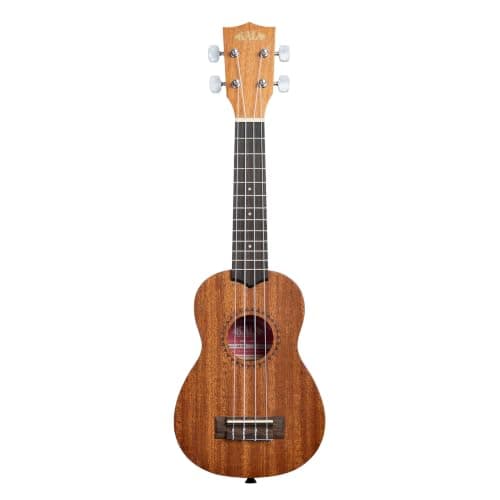
The Kala KA-15S#ad is on this list because it needs nothing to be apartment-safe. Four nylon strings at low tension on a soprano body 21 inches long produce very little acoustic energy, and none of it in the low frequencies that travel.
It also has the practical advantage of being small enough to live on a shelf in a room with no floor space, which in a one-bedroom apartment is not a trivial consideration. An instrument that has to be taken out of a case and set up gets played less than one you can reach from the sofa.
The catch is range: a soprano scale is genuinely tight for large adult hands, and 12 frets is not many. If that describes you, our size comparison covers the concert and tenor options, which are barely any louder.
Keys: the only instrument that goes to actual zero
Plug headphones into a keyboard and the internal speakers cut out. Not quieter — off. Nothing else in this category can make that claim.
The Casio Casiotone CT-S1#ad is our pick for the apartment case specifically because of what it leaves out. It is a 61-key board built around piano sound rather than a features list, it runs on batteries, and at roughly 10 pounds it can be stood on end in a wardrobe between sessions.
Pair it with something honest rather than something expensive. The Audio-Technica ATH-M20x#ad is a closed-back monitoring headphone with a fixed 3 meter cable, which is the correct compromise for a practice instrument: enough cable to sit properly, closed enough that the sound is not leaking back into the room.
One caveat worth stating, because it surprises people. On a fully weighted hammer action, the keys themselves make a mechanical thump when they bottom out. Through a floor at eleven at night, that is audible. An unweighted board like this one is much quieter mechanically, which is a real apartment advantage that has nothing to do with the speakers. The trade-offs either way are in weighted versus unweighted keys.
Drums: possible, but be honest about the pedals
An acoustic kit in an apartment is not a realistic proposition and we are not going to pretend otherwise — the numbers are in how loud are drums.
An electronic kit is a different question. The Alesis Nitro Max Kit#ad uses mesh heads, which are dramatically quieter to strike than rubber pads, and it has a headphone output that carries the actual drum sounds. Struck sound is largely solved.
What is not solved is the floor. The kick pedal beater and the hi-hat pedal both deliver repeated impacts into a rack that stands on the ground, and that energy goes into the structure. In a building with wooden joists it will be heard downstairs even with the headphones on.
Budget for a dense rubber mat or a purpose-built isolation platform at the same time as the kit, not after the first complaint. It is the difference between an electronic kit working in an apartment and an electronic kit that gets played twice.
And if even that is too much, the Evans RealFeel 12" two-sided practice pad#ad is the fallback that no landlord can object to. It builds every hand skill in drumming and none of the limb independence, which our kit versus pad comparison works through properly.
There is a third answer worth knowing about, and it is the one we most often end up recommending to people in apartments: a cajon. It is a wooden box you sit on and play with your hands, it has no pedal driving impact into the floor, and it needs no headphones to be neighborly. Our picks are in best cajons for beginners.
What about guitar?
Guitars come out better than most people expect. An acoustic played with fingers is conversation-volume and has almost nothing below 80 Hz, so it does not excite walls the way a bass frequency does. An electric guitar unplugged is quieter still — genuinely one of the quietest things you can practice on — and plugged into a headphone amp it is silent.
We left guitars off the ranked picks here only because the noise constraint does not change which guitar you should buy. It changes how you amplify it, which is covered in do you need an amp to learn electric guitar.
The practical rules that matter more than the instrument
Practice at sane hours. The same volume at 8pm and 11pm are different events socially. Most noise complaints are about timing rather than level.
Do not put the instrument against the shared wall. An amp or a keyboard speaker touching a party wall couples directly into it. Six inches of air costs nothing and helps measurably.
Tell the neighbors first. A short conversation before you start buys more tolerance than any amount of foam. People are remarkably forgiving of a beginner they have met and remarkably unforgiving of anonymous noise.
Rugs and soft furnishings help the room, not the wall. They reduce reflections so you play quieter without noticing. That is a real effect and it is smaller than the internet suggests.
Once the room question is settled, the rest of the decision is the ordinary one: which instrument suits the player, and what it should cost.
Quick picks
Quiet with nothing attached
Nylon strings under low tension on a body the size of a hardback book. There is no volume control because there is barely any volume to control.
| # | Product | Best for | Score | Price |
|---|---|---|---|---|
| 1 | Kala KA-15SMahogany throughout, a GraphTech NuBone nut and saddle, and Aquila strings fitted from the factory. | The honest floor, sopranoThe honest floor | 8.7 | $69.00 · View on Amazon #ad How we’re funded |
Genuinely silent with headphones
A keyboard with a headphone socket is the only instrument on this list that goes from audible to completely inaudible with one cable.
| # | Product | Best for | Score | Price |
|---|---|---|---|---|
| 1 | 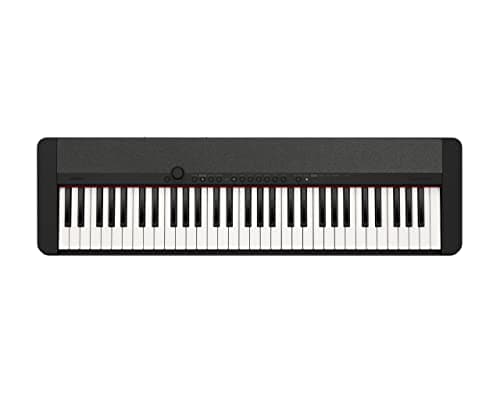 Casio Casiotone CT-S161 full-size touch-sensitive keys, 61 tones and no arranger clutter. | 61 keys, piano sound firstThe honest floor | 7.8 | $219.99 · View on Amazon #ad How we’re funded |
| 2 | 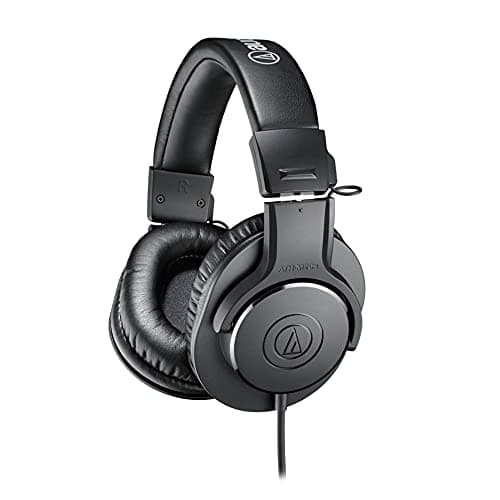 Audio-Technica ATH-M20xClosed-back 40 mm drivers with a 1/4 inch adapter included, which is the socket most digital pianos actually have. | Practice headphonesThe honest floor | 8.7 | $59.00 · View on Amazon #ad How we’re funded |
Drums, if it has to be drums
Mesh heads and a headphone output get you most of the way. The pedals still travel through the floor, which is the part nobody warns you about.
| # | Product | Best for | Score | Price |
|---|---|---|---|---|
| 1 | 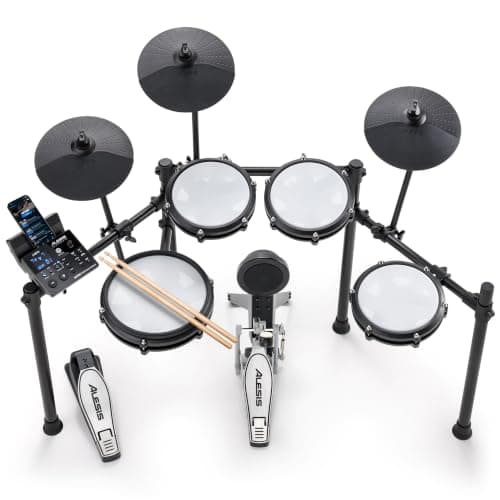 Alesis Nitro Max KitMesh heads on every pad, a dual-zone snare and Bluetooth audio for playing along. | Apartments and shared wallsEnough | 8.4 | $449.00 · View on Amazon #ad How we’re funded |
| 2 | 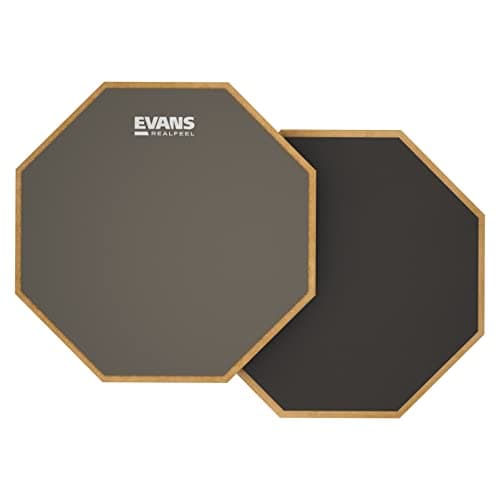 Evans RealFeel 12" two-sided practice padGum rubber on one side and neoprene on the other, so one pad gives you a realistic rebound surface and a harder, slower one for building control. | The standard practice padEnough | 9.0 | $44.99 · View on Amazon #ad How we’re funded |
The picks in full
Kala KA-15S
Kala Brand MusicBest for: The honest floor, soprano
Mahogany throughout, a GraphTech NuBone nut and saddle, and Aquila strings fitted from the factory. The nut material is the spec that separates this from the pile of look-alikes.
Published specifications
- Size:
- Soprano
- Top / back / sides:
- Mahogany
- Neck / fretboard:
- Mahogany neck, rosewood fretboard
- Nut and saddle:
- GraphTech NuBone
- Scale length:
- 13.625"
- Frets:
- 12
- Nut width:
- 1.375"
- Overall length:
- 21.062"
- Strings:
- Aquila Super Nylgut
What it gets right
- NuBone nut and saddle rather than molded plastic — this is what decides whether the instrument plays in tune up the neck
- Aquila strings fitted at the factory, so the first thing you would otherwise replace is already done
- 21 inches overall and light enough for a small child to hold unsupported
Where it gives ground
- 12 frets only, and the body joint stops you well short of the high notes
- Soprano scale means less room between frets — adult fingers with wide fingertips will find it cramped
What it is not good at
Adult hands, sometimes. A 13.625 inch scale is genuinely tight. If the player is a grown-up with large hands, read our soprano-versus-concert comparison before buying this size.
How the specs score against a beginner’s needs
Scores are our reading of the published specifications above against what a beginner physically needs. They are not test results — we have not played this instrument.
Specifications from Kala Brand Music — KA-15S specifications.
Casio Casiotone CT-S1
CasioBest for: 61 keys, piano sound first
61 full-size touch-sensitive keys, 61 tones and no arranger clutter. It is the 61-key board for someone who wants to play piano rather than operate a keyboard.
Published specifications
- Keys:
- 61, full-size, touch-sensitive
- Polyphony:
- 64 notes
- Tones:
- 61, including a stereo grand piano
- Weight:
- 9.9 lb
- Dimensions:
- 36.61" W x 10.15" D x 3.30" H
- Connectivity:
- USB-MIDI
What it gets right
- Deliberately few sounds and a clean panel, which removes the single biggest distraction from actual practice
- 9.9 pounds and 3.3 inches tall — it can live on a shelf between sessions, and an instrument that lives out of the way gets played less
- 64-note polyphony, higher than the PSR-E383's 48
Where it gives ground
- No lesson mode at all, unlike the PSR-E383
- Unweighted keys, same fundamental limit as any 61-key board
What it is not good at
Entertaining a young child. There is no light-up key guidance, no play-along scoring and only 61 sounds. That restraint is the point for an adult beginner and a drawback for a seven-year-old.
How the specs score against a beginner’s needs
Scores are our reading of the published specifications above against what a beginner physically needs. They are not test results — we have not played this instrument.
Specifications from Casio — CT-S1 product page.
Alesis Nitro Max Kit
AlesisBest for: Apartments and shared walls
Mesh heads on every pad, a dual-zone snare and Bluetooth audio for playing along. Mesh is the spec that makes an electronic kit tolerable to sit at for an hour.
Published specifications
- Pads:
- 10" dual-zone mesh snare, three 8" mesh toms
- Cymbals:
- Three 10" pads — hi-hat, crash, ride
- Module:
- 440 sounds, 32 kits, 60 play-along songs, performance recorder
- Connectivity:
- Bluetooth audio, USB-MIDI
- Mounting:
- Included four-post rack
- Weight:
- Under 15 kg complete
What it gets right
- Mesh heads on every drum pad — quieter and far closer to a real rebound than the rubber pads a tier down
- Bluetooth audio means playing along to a phone with no cable and no extra mixer
- USB-MIDI, so it doubles as a controller for recording software later
Where it gives ground
- Mesh heads are quiet in the room but the kick pedal thumps through a floor; downstairs neighbors still hear it
- Single-zone toms — no rimshot on anything except the snare
What it is not good at
Teaching cymbal technique. Three 10 inch pads cannot reproduce how a real hi-hat or a crash responds, and a drummer moving to an acoustic kit later has that to learn from scratch.
How the specs score against a beginner’s needs
Scores are our reading of the published specifications above against what a beginner physically needs. They are not test results — we have not played this instrument.
Specifications from Alesis Drums — Nitro Max Kit.
Evans RealFeel 12" two-sided practice pad
EvansBest for: The standard practice pad
Gum rubber on one side and neoprene on the other, so one pad gives you a realistic rebound surface and a harder, slower one for building control. The default recommendation.
Published specifications
- Diameter:
- 12"
- Surfaces:
- Two — natural gum rubber and neoprene
- Gum side:
- Responds much the way a drumhead does
- Manufacture:
- Designed, engineered and made in the USA
What it gets right
- The gum side rebounds close enough to a real head that the stroke you build on it works on a kit
- The second surface is slower and harder, which is genuinely useful for building hand strength rather than just speed
- 12 inches is snare-sized, so it mounts on a snare stand at the right height
Where it gives ground
- Heavier than a single-sided pad, which matters if it lives in a backpack
- No stand mount on the pad itself in the basic version — check what you are buying
What it is not good at
Teaching anything involving feet. A pad is a hands tool; limb independence needs a kit, and no amount of pad work substitutes.
How the specs score against a beginner’s needs
Scores are our reading of the published specifications above against what a beginner physically needs. They are not test results — we have not played this instrument.
Specifications from Evans RealFeel practice pad published description.
Audio-Technica ATH-M20x
Audio-TechnicaBest for: Practice headphones
Closed-back 40 mm drivers with a 1/4 inch adapter included, which is the socket most digital pianos actually have. The cheapest headphones we would put on a practicing student.
Published specifications
- Type:
- Closed-back, circumaural (over-ear)
- Drivers:
- 40 mm, copper-clad aluminum voice coils
- Frequency response:
- 15 Hz - 20,000 Hz
- Cable:
- 9.8 ft (3.0 m), single-sided, straight
- Weight:
- 6.7 oz (190 g) without cable
- In the box:
- 6.3 mm (1/4") snap-on adapter
What it gets right
- Closed-back, so the sound stays in and the room stays out — the whole point of practice headphones
- The 1/4 inch adapter is included, and that is the socket most digital pianos have rather than the 1/8 inch a phone uses
- Under 200 grams, which matters over an hour of practice on a child's head
Where it gives ground
- The cable is fixed, not detachable, so a damaged cable means new headphones
- A 3 meter cable is generous at a piano and a trip hazard anywhere else
What it is not good at
Portability. They do not fold flat and there is no case. These live at the instrument.
How the specs score against a beginner’s needs
Scores are our reading of the published specifications above against what a beginner physically needs. They are not test results — we have not played this instrument.
Specifications from Audio-Technica ATH-M20x published specifications.
Questions people actually ask
What is the quietest instrument to learn in an apartment?
The ukulele, by a distance, and it needs no accessory to get there. Nylon strings at low tension on a 21 inch body simply do not produce much sound energy. A keyboard with headphones is the quietest option overall — it goes to literally zero — but it depends on a cable being plugged in.
Can you play electronic drums in an apartment?
With mesh heads and headphones, the sound is manageable. The problem is not sound at all — it is the kick pedal and hi-hat pedal transmitting impact into the floor and through to the apartment below. A dense rubber mat or an isolation platform is not optional in a shared building.
Do headphones make a digital piano completely silent?
To a neighbor, effectively yes — plugging in mutes the internal speakers. What remains is the mechanical clatter of the keys themselves, which is quiet on an unweighted keyboard and quite audible on a heavy hammer action late at night.
Is an acoustic guitar too loud for an apartment?
Usually not. A steel-string acoustic played with fingers rather than a pick sits at conversation level, and it has no sustained low frequency content, which is the part that travels through walls. It is far more neighbor-friendly than drums and roughly comparable to someone playing music at a normal volume.
Sources
Still deciding?
Every recommendation on this site is built the same way, and the method is published in full — including what we do not do and what would get a pick dropped.
Read next
- What instrument should I learn?
Four practical constraints instead of a personality quiz, each one routing straight to the instrument that fits.
- How loud are drums?
Measured decibel levels against the NIOSH limit, what travels through walls and floors, and which quieting options actually work.
- Best beginner keyboards: 61 keys that suit real lessons
Touch response over tone count, segmented for children and adult learners, with the 61-key ceiling stated plainly.
- Best beginner ukuleles: what's worth it from $60 to $120
Segmented by hand size rather than price, with the nut-material spec that separates a real ukulele from a decoration.
- Setting up a practice space that gets used
Why the instrument should never live in its case, the seat height that prevents wrist problems, and the two cheap accessories that matter most.
- Best drums for apartments and small homes
Airborne noise versus structure-borne noise, why mesh heads only solve one of them, and the three setups that work in a shared building.