Start Here
Best instruments for a whole family
Buying one instrument for several people is a different problem from buying for one. Size, durability and how quickly a beginner gets a result all change.
By Sawyer V. · Published · Last updated
Families buy instruments differently from individuals. The instrument has to suit several hand sizes, survive the least careful person in the house, and produce something recognizable quickly enough that a child does not lose interest while an adult is still reading the manual.
Those constraints rule out a lot of otherwise excellent instruments.
We have not played these instruments. What follows is our reading of published specifications against how a household actually uses them, and the method is on how we pick.
If you want one instrument for everyone, buy a keyboard: it fits every hand, needs no tuning, and two people can use it side by side. If you want several people playing at once, buy ukuleles — they are cheap enough to own two or three, which removes the sharing problem.
What makes an instrument shareable
1. It is not sized to the player. This is the big one. Keyboards and percussion fit everyone. Guitars, ukuleles, violins and cellos come in sizes, and an instrument sized for a nine-year-old is wrong for an adult and the other way round.
2. It survives handling. Anything shared with a small child gets dropped. Composite bodies and simple mechanisms tolerate that; delicate wooden instruments with soundposts do not.
3. It gives a result in the first five minutes. Children measure an instrument by whether it sounded like something today. Keyboards and ukuleles pass; violin does not, which is not a criticism of the violin.
4. It needs no setup between users. Nothing to retune, no seat height to change, no reed to wet. Friction between players is what stops shared instruments being used.
5. Hygiene. Wind instruments are not shareable. Mouthpieces are personal, and that is the end of the discussion for harmonicas, recorders and band instruments in a family context.
What to buy per-person instead
Anything a player has to be sized for, and anything they put in their mouth. In practice that means a family sharing an interest in guitar buys two guitars in different sizes rather than one compromise instrument, and a family interested in band instruments buys one per player.
The sizing rules are per-instrument: see guitar sizes for kids and violin sizes by age.
How we ranked these
Time to first sound first, because a family contains at least one person with no patience. Then running cost, then noise in a house with other people in it, then room to grow.
The picks
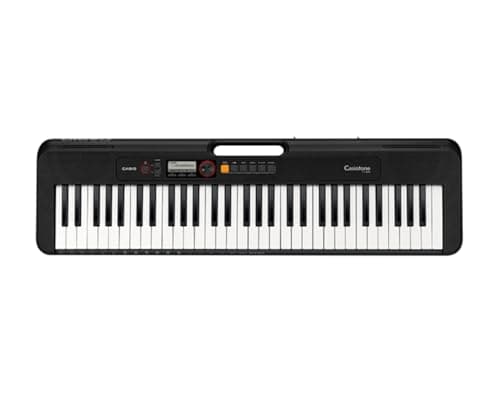
The Casio Casiotone CT-S200#ad is the one instrument a whole family can genuinely share. Full-size keys that suit an adult hand and a child’s, no tuning ever, a headphone socket so practice can be private, and light enough to move from a table to the floor. Two people can sit at it together, which is how a parent teaches a child without either of them having to explain anything.
The trades: the keys are not weighted, so it is not the instrument for a child heading toward piano exams, and 61 keys will eventually run out under a method book.
The Kala KA-15S#ad is our answer for families who want several people playing at once. A soprano ukulele is small enough for a child of about six and cheap enough that a household can own two or three, which is a better outcome than one nice instrument everyone queues for. Mahogany body, NuBone nut and saddle, geared tuners.
The limit is size: a soprano suits children and smaller adults, and a larger adult sharing it will find the frets cramped. If adults are doing most of the playing, a concert size is the better shared choice — see Kala KA-15S vs Cordoba 15CM.
The Enya Nova U Mini#ad is the pick for a house with young children in it. The body is a carbon fiber composite rather than wood, which means being dropped, left in a sunny window or stood next to a radiator does not ruin it. It comes with a case, strap, capo and spare strings.
It sounds brighter and less woody than a traditional ukulele, and it is a soprano, so the same hand-size caveat applies.
Making it work in a household
Leave instruments out. An instrument on a stand in the living room gets picked up by whoever walks past. One in a case in a cupboard belongs to nobody — stands are in best guitar stands.
Learn alongside a child rather than supervising. It changes the dynamic from homework to a shared activity, and the argument is in learning an instrument with your child.
Buy headphones early. The fastest way to make a shared house tolerate several beginners.
If the question is really which instrument suits one particular child, start at best first instrument for a child.
Quick picks
The one instrument everyone can share
A keyboard fits every hand size without adjustment, needs no tuning, and two people can sit at it together.
| # | Product | Best for | Score | Price |
|---|---|---|---|---|
| 1 | Casio Casiotone CT-S20061 full-size keys, 400 tones and a power supply in the box, at the price where most keyboards still ship with narrow mini keys. | Kids, full-size keysThe honest floor | 7.4 | $144.99 · View on Amazon #ad How we’re funded |
Cheap enough to buy more than one
Ukuleles are inexpensive enough that a household can own two or three, which removes the sharing problem entirely.
| # | Product | Best for | Score | Price |
|---|---|---|---|---|
| 1 | 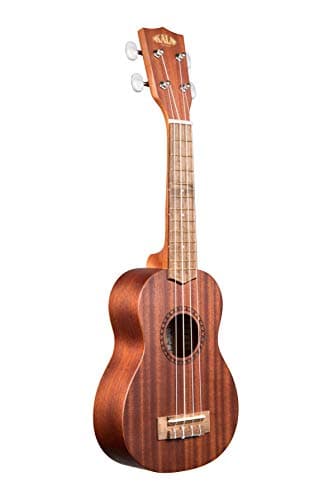 Kala KA-15SMahogany throughout, a GraphTech NuBone nut and saddle, and Aquila strings fitted from the factory. | The honest floor, sopranoThe honest floor | 8.7 | $69.00 · View on Amazon #ad How we’re funded |
The one that survives small children
A carbon fiber composite body that tolerates being dropped, left near a radiator and handled by a five-year-old.
| # | Product | Best for | Score | Price |
|---|---|---|---|---|
| 1 | 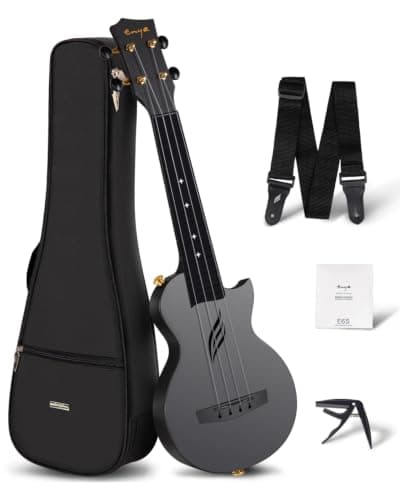 Enya Nova U MiniA 21 inch carbon-fiber-and-polycarbonate body weighing 430 grams. | Young kids, survives anythingThe honest floor | 8.0 | $55.24 · View on Amazon #ad How we’re funded |
The picks in full
Casio Casiotone CT-S200
CasioBest for: Kids, full-size keys
61 full-size keys, 400 tones and a power supply in the box, at the price where most keyboards still ship with narrow mini keys. That one specification is why it is here.
Published specifications
- Keys:
- 61, full-size
- Polyphony:
- 48 notes
- Tones:
- 400
- Rhythms:
- 77
- Display:
- LCD
- Connectivity:
- USB-MIDI
- In the box:
- Power supply, music rest
What it gets right
- Full-size keys at a price where mini keys are the norm — this is the specification that decides whether a child learns a hand span they can keep
- Power supply included, which is not a given and turns a cheap keyboard into an expensive paperweight when it is missing
- Light and simple enough that a child can set it up themselves, which means it gets used
Where it gives ground
- Unweighted keys, so it will not build the finger strength an acoustic piano needs
- 400 tones is a lot of browsing for a child who is meant to be practicing
What it is not good at
Preparing anyone for a real piano. It is a first keyboard for a young child, not a piano substitute — read our weighted-versus-unweighted comparison before assuming otherwise.
How the specs score against a beginner’s needs
Scores are our reading of the published specifications above against what a beginner physically needs. They are not test results — we have not played this instrument.
Specifications from Casio Casiotone CT-S200 published specifications.
Kala KA-15S
Kala Brand MusicBest for: The honest floor, soprano
Mahogany throughout, a GraphTech NuBone nut and saddle, and Aquila strings fitted from the factory. The nut material is the spec that separates this from the pile of look-alikes.
Published specifications
- Size:
- Soprano
- Top / back / sides:
- Mahogany
- Neck / fretboard:
- Mahogany neck, rosewood fretboard
- Nut and saddle:
- GraphTech NuBone
- Scale length:
- 13.625"
- Frets:
- 12
- Nut width:
- 1.375"
- Overall length:
- 21.062"
- Strings:
- Aquila Super Nylgut
What it gets right
- NuBone nut and saddle rather than molded plastic — this is what decides whether the instrument plays in tune up the neck
- Aquila strings fitted at the factory, so the first thing you would otherwise replace is already done
- 21 inches overall and light enough for a small child to hold unsupported
Where it gives ground
- 12 frets only, and the body joint stops you well short of the high notes
- Soprano scale means less room between frets — adult fingers with wide fingertips will find it cramped
What it is not good at
Adult hands, sometimes. A 13.625 inch scale is genuinely tight. If the player is a grown-up with large hands, read our soprano-versus-concert comparison before buying this size.
How the specs score against a beginner’s needs
Scores are our reading of the published specifications above against what a beginner physically needs. They are not test results — we have not played this instrument.
Specifications from Kala Brand Music — KA-15S specifications.
Enya Nova U Mini
EnyaBest for: Young kids, survives anything
A 21 inch carbon-fiber-and-polycarbonate body weighing 430 grams. It is water resistant and it does not care about humidity, which is the honest reason to buy it for a six-year-old.
Published specifications
- Size:
- Soprano, 21"
- Top / back / sides:
- 30% carbon fiber and polycarbonate composite
- Weight:
- 430 g (0.9 lb)
- Overall length:
- 22"
- Nut width:
- 1-3/8"
- Body:
- Arched back, radius fretboard, cutaway
- In the box:
- Semi-hard case, strap, capo, spare strings
What it gets right
- Composite body — it does not crack in a dry house or swell in a damp one, which is what actually kills cheap wooden ukuleles
- 430 grams; a five-year-old can carry it around by the neck all day, and they will
- Case, strap, capo and spare strings included
Where it gives ground
- It does not sound like wood, and no amount of playing will change that
- The composite body is a fixed quantity — there is no breaking-in and no improvement over time
What it is not good at
Tone. A mahogany Kala sounds warmer and fuller, plainly. You are buying survivability, and that is a legitimate thing to buy for a young child, but be clear that is the trade.
How the specs score against a beginner’s needs
Scores are our reading of the published specifications above against what a beginner physically needs. They are not test results — we have not played this instrument.
Specifications from Enya Music — Nova carbon fiber ukulele collection.
Questions people actually ask
Can one instrument really serve a whole family?
A keyboard can, because it needs no sizing and no tuning and adapts to any hand. Fretted and bowed instruments are sized to the player, so sharing works only when the players are a similar size.
Is it better to buy one good instrument or several cheap ones?
For a family, usually several inexpensive ones on a cheap instrument like the ukulele, and one decent one on an expensive instrument like a keyboard. Queueing for a turn is the most reliable way to kill a beginner’s momentum.
What instrument can a parent and a young child both play?
A keyboard, a ukulele or a hand percussion instrument. All three give a result in the first session, which matters more for a child than for the adult.
Should everyone learn the same instrument?
It helps at the start: one set of chord shapes, one book, one thing to talk about. It stops helping once people want different music, at which point a second instrument is a reasonable purchase.
How do we stop arguments over whose turn it is?
Buy the second instrument. On cheap instruments this costs less than the household friction, and it is the single most effective fix we know of.
Still deciding?
Every recommendation on this site is built the same way, and the method is published in full — including what we do not do and what would get a pick dropped.
Read next
- Learning an instrument alongside your child
Why parallel learning works, the competitive failure mode to avoid, and which instruments suit two players at different sizes.
- The best first instrument for a child
Instrument by instrument, the real starting age set by hand size and reach, with a pick for each and the noise column filled in.
- Instrument gifts that actually get played
What to give when you cannot ask the recipient first: four instruments that work out of the box, plus the ten-dollar accessory that saves any of them.
- What age should a child start an instrument?
Realistic starting ages set by each instrument's physical demands, why starting early backfires, and what to do while waiting.
- Best ukuleles for kids
Wood or composite, with the humidity problem that kills cheap wooden ukuleles in dry houses stated plainly.