Drums
Best drums for apartments and small homes
Two different noise problems get treated as one, and only one of them is solved by buying an electronic kit. Here is what each option genuinely fixes.
By Sawyer V. · Published · Last updated
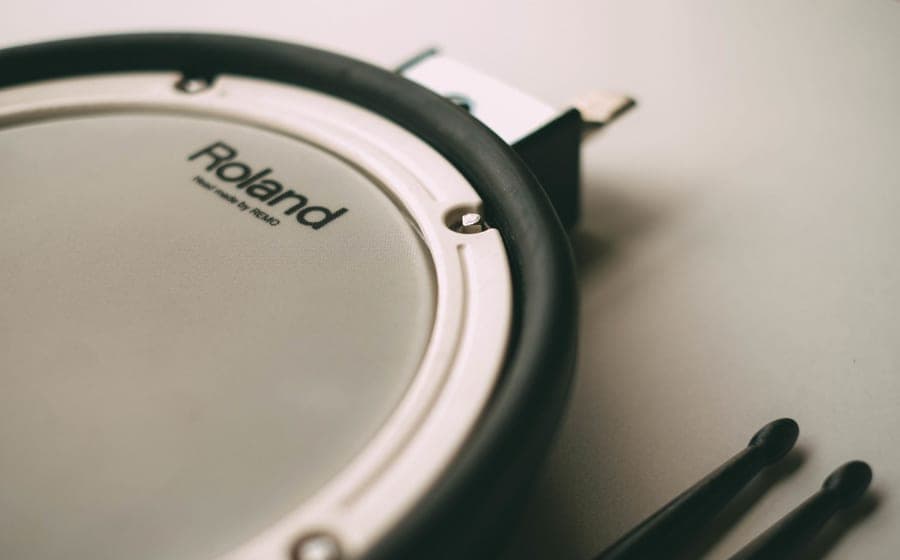
Drums is the instrument people talk themselves out of, and noise is almost always the reason. The advice they find online mostly treats noise as one problem. It is two, and confusing them is how somebody spends real money on an electronic kit and still gets a note through the letterbox.
Every pick states its Starter Path band, and we have not physically tested any of them — the method is on how we pick.
Mesh-head electronic kits solve airborne noise and not floor impact. The Alesis Nitro Max is the kit to buy, and it needs something dense under the pedals to be genuinely apartment-safe. A cajon or a practice pad avoids the problem entirely.
The two noise problems
Airborne noise travels through the air, comes through a wall, and is what people picture when they imagine a drum kit annoying somebody. It is loud, it is high-frequency, and it is the easier of the two to solve: play an electronic kit through headphones and airborne noise essentially disappears.
Structure-borne noise travels through the building. The kick pedal strikes a pad, the impact goes into the frame, the frame into the floor, and the floor into the ceiling of the apartment below as a low thud. Headphones do nothing to it. Mesh heads do nothing to it. It is the one that generates complaints from downstairs and it is the one nobody plans for.
The full physics, and what foam panels genuinely do and do not achieve, is in how to soundproof a drum room.
The kit: Alesis Nitro Max
The Alesis Nitro Max Kit#ad is the electronic kit we recommend for this situation, and the reason is the mesh heads on every drum pad rather than the module feature list.
Mesh is two things at once: quieter in the room than rubber, and far closer to the rebound of a real drum head. That second part matters more than it sounds, because rubber pads are tiring to play for an hour and a kit that is tiring to sit at is a kit that gets sat at less.
It carries a 10 inch dual-zone mesh snare, three 8 inch mesh toms, three 10 inch cymbal pads, a four-post rack, Bluetooth audio for playing along without a cable, and USB-MIDI so it doubles as a controller later.
Where it is honestly limited: the toms are single-zone, so there is no rim sound on anything but the snare, and three cymbal pads cannot reproduce how a real hi-hat responds. A drummer moving to an acoustic kit later has cymbal technique to learn from scratch. The broader trade is in acoustic versus electronic drums.
The part everyone skips
Put something dense between the kit and the floor. This is the single highest-value thing an apartment drummer does and it costs a fraction of the kit.
What works is mass and decoupling: a thick rubber or dense-foam isolation mat, or a simple riser of plywood on top of dense foam, under the whole rack including the pedals. What does not work is a rug. A rug stops the rack sliding and does nothing for vibration.
The second free measure is time. Play in the middle of the day, not at eleven at night. A thud at two in the afternoon is a thud nobody writes a letter about.
If an electronic kit is still too much
The Meinl HCAJ1NT Headliner String Cajon#ad is a cajon: a wooden box you sit on and play with your hands, with internal snare strings that tension with an included key. There is no pedal, so there is no floor impact, and there is nothing to plug in.
It is worth being clear that this is not a quiet drum kit. It is a different instrument that happens to solve the same problem, it teaches real hand and tone technique, and it is the instrument that gets carried to other people’s houses. The picks and the full argument are in best beginner cajons.
The quietest option that still builds technique
The Evans RealFeel 12" single-sided practice pad#ad is a 12 inch gum rubber practice pad with realistic stick rebound, and it is quieter than everything else here by a wide margin.
It is also less of a compromise than it sounds. Rudiments — the stick patterns that underpin everything a drummer plays — are done on a pad by drummers at every level, and a beginner who spends their first three months on a pad arrives at a kit with better hands than one who did not.
What it cannot teach is limb independence, because there are no feet involved. The honest comparison is in drum kit versus practice pad to start.
What will not work
An acoustic kit with mute pads. Rubber mutes cut airborne volume substantially and do nothing for the kick drum going through the floor, and they remove the rebound that makes the kit worth playing. You end up with a quiet instrument that is unpleasant to play.
Foam panels on the wall. Acoustic foam changes how the room sounds to the person in it. It does not stop sound leaving. This is the most common and most expensive misunderstanding in the whole subject.
An acoustic kit at all, in a shared building. How loud a drum kit actually is, in measured terms, is in how loud are drums, and the number surprises people.
What you still need
Closed-back headphones, which on an electronic kit are not an accessory but the output. Sticks. Something dense under the pedals. The rest of the list is in drum accessories you actually need, and the headphone question specifically in best headphones for electronic drums.
Quick picks
The apartment kit
Mesh heads on every pad and a dual-zone snare, so it plays like a kit rather than like a set of rubber discs. Bluetooth audio for playing along.
| # | Product | Best for | Score | Price |
|---|---|---|---|---|
| 1 | No image Alesis Nitro Max KitMesh heads on every pad, a dual-zone snare and Bluetooth audio for playing along. | Apartments and shared wallsEnough | 8.4 | Check price on Amazon → #ad How we’re funded |
If even that is too much
A cajon makes no floor impact at all, needs no headphones and no power, and is a real instrument rather than a compromise.
| # | Product | Best for | Score | Price |
|---|---|---|---|---|
| 1 | No image Meinl HCAJ1NT Headliner String CajonThe only cajon here whose snare response you can actually adjust. | The cajon to buy onceEnough | 8.8 | Check price on Amazon → #ad How we’re funded |
The quietest thing that still builds technique
A gum rubber practice pad with realistic rebound. Nothing else on this page is this quiet, and rudiments are most of early drumming anyway.
| # | Product | Best for | Score | Price |
|---|---|---|---|---|
| 1 | No image Evans RealFeel 12" single-sided practice padThe same gum rubber playing surface as the two-sided pad, without the neoprene side. | Lighter, one surfaceThe honest floor | 8.5 | Check price on Amazon → #ad How we’re funded |
The picks in full
Alesis Nitro Max Kit
AlesisBest for: Apartments and shared walls
Mesh heads on every pad, a dual-zone snare and Bluetooth audio for playing along. Mesh is the spec that makes an electronic kit tolerable to sit at for an hour.
Published specifications
- Pads:
- 10" dual-zone mesh snare, three 8" mesh toms
- Cymbals:
- Three 10" pads — hi-hat, crash, ride
- Module:
- 440 sounds, 32 kits, 60 play-along songs, performance recorder
- Connectivity:
- Bluetooth audio, USB-MIDI
- Mounting:
- Included four-post rack
- Weight:
- Under 15 kg complete
What it gets right
- Mesh heads on every drum pad — quieter and far closer to a real rebound than the rubber pads a tier down
- Bluetooth audio means playing along to a phone with no cable and no extra mixer
- USB-MIDI, so it doubles as a controller for recording software later
Where it gives ground
- Mesh heads are quiet in the room but the kick pedal thumps through a floor; downstairs neighbors still hear it
- Single-zone toms — no rimshot on anything except the snare
What it is not good at
Teaching cymbal technique. Three 10 inch pads cannot reproduce how a real hi-hat or a crash responds, and a drummer moving to an acoustic kit later has that to learn from scratch.
How the specs score against a beginner’s needs
Scores are our reading of the published specifications above against what a beginner physically needs. They are not test results — we have not played this instrument.
Specifications from Alesis Drums — Nitro Max Kit.
Meinl HCAJ1NT Headliner String Cajon
Meinl PercussionBest for: The cajon to buy once
The only cajon here whose snare response you can actually adjust. Two sets of micro-coiled steel strings tension with the included key, so one box covers a dry, tight sound and a loose sizzle without buying a second instrument.
Published specifications
- Body:
- Siam Oak (Hevea brasiliensis Muell.-Arg.)
- Snare system:
- Internal cajon strings — adjustable micro-coiled steel
- String tension:
- Two hex screws, tuning key included
- Frontplate:
- Adjustable top corners, adjustable sizzle effect
- Seat:
- Anti-slip sitting surface
- Feet:
- Four solid silicone feet
- Dimensions:
- 11 3/4" W x 18" H x 12 1/4" D, about 8 lb (retailer spec sheet)
What it gets right
- String tension adjusts with the included key — the snare sound is a setting rather than a fixed characteristic
- Adjustable top corners set how far the frontplate sits off the body, which is what controls the slap
- Full-size body, so the bass note has somewhere to develop
- Silicone feet stop the box walking on a hard floor, which cheaper cajons do constantly
Where it gives ground
- Adjustability is only worth paying for if you use it — a player who never touches the hex screws is buying a feature they are not using
- Meinl does not publish dimensions on its own product page, so the figures above come from a retailer spec sheet
- Strings can buzz sympathetically against the frontplate until you find a tension you like
What it is not good at
Being played by a small child. A full-size cajon assumes adult-length arms reaching down over the front, and a seven-year-old ends up hunched over a box they cannot straddle.
How the specs score against a beginner’s needs
Scores are our reading of the published specifications above against what a beginner physically needs. They are not test results — we have not played this instrument.
Specifications from Meinl Percussion — HCAJ1NT product page, Amazon listing naming the exact model (dimensions and weight).
Evans RealFeel 12" single-sided practice pad
EvansBest for: Lighter, one surface
The same gum rubber playing surface as the two-sided pad, without the neoprene side. Lighter and cheaper, and for a beginner the second surface is not the point yet.
Published specifications
- Diameter:
- 12"
- Surface:
- Single — natural gum rubber
- Response:
- Realistic stick rebound, consistent across the surface
- Manufacture:
- Designed, engineered and made in the USA
What it gets right
- Identical playing surface to the two-sided pad, which is the part that matters
- Lighter, so it actually travels
- The cheapest genuinely good pad, which makes it the right first one
Where it gives ground
- One surface, so no harder option for strength work later
- The flat back slides on a smooth table without a stand
What it is not good at
Being the last pad a committed drummer owns. Most people who keep drumming end up wanting the second surface eventually.
How the specs score against a beginner’s needs
Scores are our reading of the published specifications above against what a beginner physically needs. They are not test results — we have not played this instrument.
Specifications from Evans RealFeel single-sided pad published description.
Questions people actually ask
Can you play drums in an apartment?
An electronic kit with mesh heads, yes, with one caveat: the kick pedal transmits impact through the floor to the apartment below, and headphones do nothing about that. A riser or a dense isolation mat under the kit is the part people skip.
Are electronic drums quiet enough for neighbors?
For the neighbor through a wall, generally yes. For the neighbor below, only if you address the floor. Mesh pads solve airborne sound; they do not solve structure-borne vibration from the pedals.
What is the quietest way to practice drums?
A practice pad. It has no kick pedal, no amplification and no shell, and rudiments on a pad are most of what early drum practice consists of anyway.
Is a cajon a good alternative to drums in a flat?
It is a genuinely good one. A cajon makes no floor impact, needs no power and no headphones, and teaches real hand technique. It is not a drum kit and it is not pretending to be.
Sources
Still deciding?
Every recommendation on this site is built the same way, and the method is published in full — including what we do not do and what would get a pick dropped.
Read next
- Acoustic vs electronic drums for beginners
Feel against practice hours, what transfers in each direction, and the building question that settles it. Buy paths for both.
- How loud are drums?
Measured decibel levels against the NIOSH limit, what travels through walls and floors, and which quieting options actually work.
- How to soundproof a drum room
Airborne versus structure-borne sound, why acoustic foam is the classic wasted purchase, and what genuinely reduces what your neighbors hear.
- Best electronic drum sets for beginners
Mesh versus rubber pads, the kick-thump problem that headphones do not solve, and picks for adults and children.
- Best instruments for an apartment
Four instruments that survive a shared wall, ranked by how quiet they are at their loudest, plus the headphones that make the difference.