Drums
Drum accessories you actually need
Two of the four things a new drummer needs are not drums at all, and one of them is the only item on this site that protects something you cannot replace.
By Sawyer V. · Published · Last updated
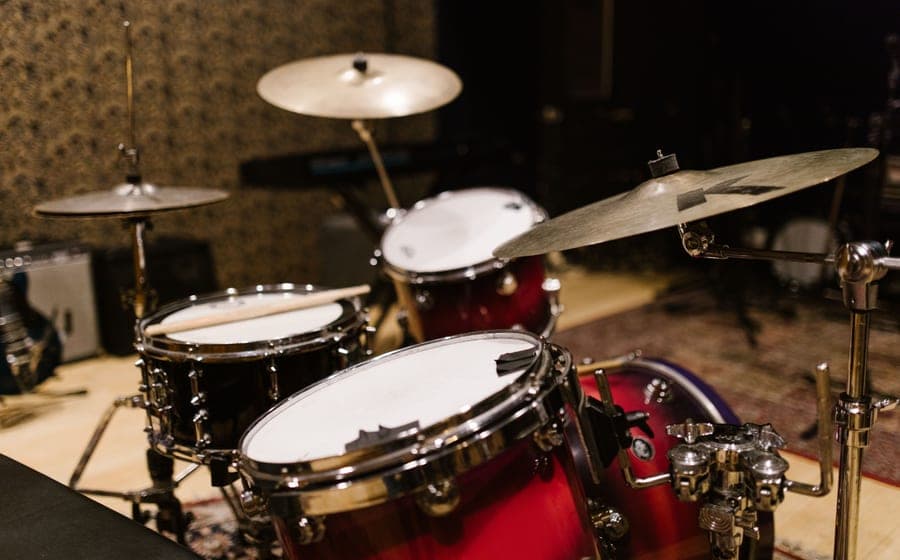
A complete drum kit arrives with drums, cymbals, stands and a pedal, and it is still not everything a drummer needs. The gaps are unusual for this site, because two of the four are not musical equipment at all.
Buy sticks, hearing protection, a practice pad and an adjustable throne. Hearing protection is the one that is genuinely not optional — a drum kit is loud enough to cause permanent damage over years, and the damage does not hurt while it happens.
1. Hearing protection, first and non-negotiable
This is the only recommendation on this site that protects something you cannot buy again.
A drum kit played at normal practice volume is genuinely loud, and a snare or a crash cymbal produces short peaks well above the sustained level. The exposure is cumulative: it is not one session that does damage, it is four hundred sessions. And it is painless, which is exactly why drummers ignore it until it is done.
The wrong solution is foam earplugs. They cut the high frequencies far more than the low ones, so the kit sounds muddy and wrong, cymbals disappear, and the drummer takes them out within two weeks. Protection you will not wear protects nothing.
The Etymotic ER20XS#ad uses a filter designed to reduce level roughly evenly across the frequency range, so the kit still sounds like a kit, just quieter. That is the whole reason to spend more than the bare minimum on earplugs: they get worn.
The alternative approach is isolation headphones. The Vic Firth stereo isolation headphones#ad combine physical isolation with drivers inside, so you can play along to music at a sensible level while the kit is attenuated. That is the practical option for anyone practicing to recordings, which is most beginners. The full comparison is in hearing protection for drummers, and the actual levels involved are in how loud are drums.
2. Sticks, and which ones
Sticks are consumables. They chip, they dent, and eventually they break, and a beginner breaks more of them than an experienced player because the stroke is less controlled.
Size. 5A is the general-purpose standard and the correct default for almost everyone. 7A is a little thinner and lighter, which genuinely helps smaller hands and younger players. 5B is heavier and suits louder playing; a beginner does not need it.
Tip. Wood tips give a warmer cymbal sound and can chip. Nylon tips are brighter and more durable. Start with wood; it is the more musical sound and the difference in lifespan is small.
Buy two pairs. A broken stick with no spare stops practice entirely, and gaps in practice are how beginners drift away from an instrument.
3. A practice pad, which is not a compromise
The Evans RealFeel 12" two-sided practice pad#ad is the pad every teacher assigns, and it is worth understanding that it is a different tool rather than a quiet substitute for a kit.
Drumming technique is built on rebound — a great deal of what a drummer learns is controlling how the stick returns. That means the practice surface has to bounce roughly like a drumhead, or you build a lifting motion instead of a rebounding one. Gum rubber does; hard plastic and thin foam do not.
The two-sided pad puts gum rubber on one face and harder neoprene on the other. The neoprene side returns less energy, which sounds like a disadvantage and is genuinely useful: practicing against resistance builds hand strength, and everything feels easy back on the rebounding side.
Twelve inches is the size, because that is snare-sized and mounts on a snare stand at real playing height. A small pad on a coffee table teaches a hunched, wrist-only stroke at the wrong height. The full argument is in best drum practice pads.
What a pad genuinely builds: rudiments, evenness, hand speed and timing. What it cannot build: limb independence, which needs four limbs on four things. Both halves of that statement matter, and we work through them in kit versus pad to start.
4. A throne that adjusts
Kits at the budget end often include a flat, fixed-height stool, and that stool is the weakest thing in the box.
Throne height determines the angle of your thighs, which determines how your heels sit on the pedals, which determines your control over both the kick and the hi-hat. Get it wrong and every technique problem downstream of it becomes harder to solve, because the cause is not where the symptom is.
Adjustable is the requirement. A round seat with a threaded or hydraulic height adjustment is the standard, and for a growing child adjustability is not a luxury at all. Where to set it is covered in how to set up a drum set.
Worth having in the first year
A rug. Not a comfort item. A kit on a hard floor walks — the kick drum creeps forward and the hi-hat stand slides — and by the end of a session you are playing a different instrument to the one you set up. Any rug with a bit of grip fixes it permanently.
A drum key. Kits include one and everyone loses it. Tuning is not optional maintenance on drums; a badly tuned kit sounds bad no matter who is playing it, and the procedure is in how to tune a drum set.
A metronome. Free on a phone. A drummer’s entire job is time, and practicing without a reference builds the wrong thing confidently.
Spare snare and tom heads. Heads are consumables. A beginner will dent the snare batter head before anything else on the kit.
The upgrades that actually change a cheap kit
If you already own an entry-level kit and want it to sound and feel better, the order is not obvious and it is not the drums.
Cymbals first. On budget complete kits the cymbals are usually the weakest component by a wide margin, because they are the expensive part to make properly. Replacing the hi-hats alone changes the sound of the whole kit more than anything else you could spend the money on.
The kick pedal second. A better pedal responds more consistently and makes fast footwork achievable. This is a feel upgrade rather than a sound one and it is real — our beginner kick pedal roundup covers which one, and the two free fixes to try before buying any of them.
New heads third. Fresh heads on a cheap shell make a surprising difference. Old, dented, stretched heads cannot be tuned properly at any skill level.
The shells last. Almost never the limiting factor at this level, which is why our beginner kit roundup weights hardware and completeness rather than shell material.
What to skip
Cymbal upgrades before hearing protection. Stated plainly because it is the order most drummers actually use, and it is backwards.
Stick bags. Two pairs of sticks fit in anything.
Foam earplugs. Covered above — they make the kit sound wrong and get abandoned.
Extra toms, early. A four or five piece kit has more than enough drums for years. Additional toms add setup complexity and nothing musical for a beginner.
What we would buy
Evans RealFeel 12" two-sided practice pad
EvansBest for: The standard practice pad
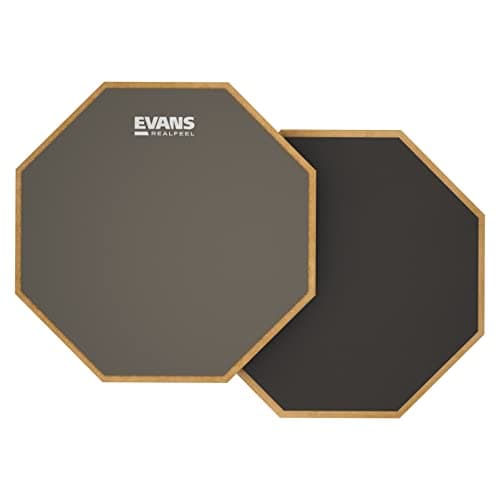
Gum rubber on one side and neoprene on the other, so one pad gives you a realistic rebound surface and a harder, slower one for building control. The default recommendation.
Published specifications
- Diameter:
- 12"
- Surfaces:
- Two — natural gum rubber and neoprene
- Gum side:
- Responds much the way a drumhead does
- Manufacture:
- Designed, engineered and made in the USA
What it gets right
- The gum side rebounds close enough to a real head that the stroke you build on it works on a kit
- The second surface is slower and harder, which is genuinely useful for building hand strength rather than just speed
- 12 inches is snare-sized, so it mounts on a snare stand at the right height
Where it gives ground
- Heavier than a single-sided pad, which matters if it lives in a backpack
- No stand mount on the pad itself in the basic version — check what you are buying
What it is not good at
Teaching anything involving feet. A pad is a hands tool; limb independence needs a kit, and no amount of pad work substitutes.
How the specs score against a beginner’s needs
Scores are our reading of the published specifications above against what a beginner physically needs. They are not test results — we have not played this instrument.
Specifications from Evans RealFeel practice pad published description.
Etymotic ER20XS
Etymotic ResearchBest for: Hearing protection that still sounds right
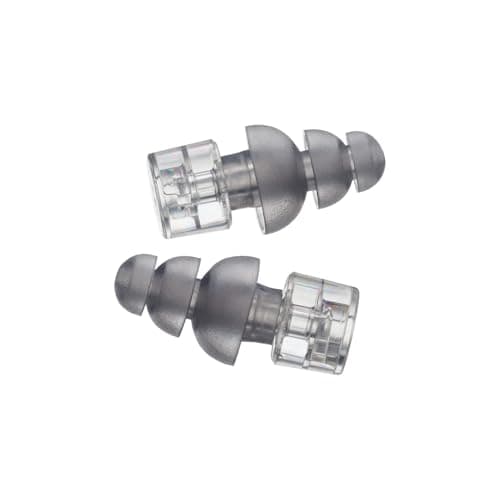
Filtered earplugs that cut level roughly evenly across the frequency range, so the kit still sounds like a kit — just quieter. Reusable, with a cord and a case.
Published specifications
- Type:
- High-fidelity filtered earplug, reusable
- Attenuation:
- Up to 20 dB sound reduction
- Response:
- Configured to replicate the natural response of the ear canal
- In the box:
- Neck cord, carrying case
- Sizes:
- Standard and large
What it gets right
- Even attenuation across frequencies, so cymbals do not disappear the way they do behind foam plugs
- Reusable rather than disposable, which is what makes them actually get worn every session
- The neck cord is the difference between owning them and losing them in week two
Where it gives ground
- Two sizes, and getting the wrong one means a poor seal and much less protection than the rating suggests
- They sit deeper in the ear than foam, which takes some getting used to
What it is not good at
Extremely loud environments on their own. Twenty decibels is right for a drum kit; a loud stage may need more, and no earplug helps if it is not sealed.
How the specs score against a beginner’s needs
Scores are our reading of the published specifications above against what a beginner physically needs. They are not test results — we have not played this instrument.
Specifications from Etymotic ER20XS published specifications.
Vic Firth stereo isolation headphones
Vic FirthBest for: Playing along on an acoustic kit
Over-ear headphones built to block a drum kit while feeding music in, which is the one job normal headphones cannot do at a live acoustic kit.
Published specifications
- Type:
- Closed-back stereo isolation headphones
- Purpose:
- Attenuate ambient kit volume while delivering a music feed
- Fits:
- Any 1/8 inch source
What it gets right
- Solves the problem earplugs cannot: hearing a backing track over an acoustic kit without turning the track up to damaging levels
- Doubles as hearing protection when nothing is plugged in
- Built by a drum-hardware company, so the headband survives being thrown in a bag
Where it gives ground
- Bulky and warm over a long session
- Sound quality is functional, not hi-fi — they are a tool, not listening headphones
What it is not good at
Electronic kits. A mesh-head kit is quiet enough that ordinary closed-back headphones do the job better and sound nicer.
How the specs score against a beginner’s needs
Scores are our reading of the published specifications above against what a beginner physically needs. They are not test results — we have not played this instrument.
Specifications from Vic Firth stereo isolation headphones published description.
Questions people actually ask
What do I need to buy with a drum kit?
Sticks, hearing protection, a practice pad and, if the kit did not include a decent one, a throne. Cymbals and a kick pedal are usually included on a complete kit and are the first things worth upgrading later.
What drum sticks should a beginner buy?
5A is the standard general-purpose size and the right default. 7A is slightly thinner and lighter, which suits smaller hands and younger players. Wood tip rather than nylon for a first pair, and buy two pairs because they break.
Do drummers really need ear protection?
Yes, and it is the least negotiable item on this page. An acoustic kit played normally sits at a level that causes cumulative hearing damage over years of practice, and the damage is permanent and painless while it happens.
Is a drum throne worth buying separately?
If the kit came with a flat, non-adjustable stool, yes. Throne height sets the angle of your legs and therefore your control over both pedals, and a seat that is the wrong height changes everything downstream of it.
Sources
Still deciding?
Every recommendation on this site is built the same way, and the method is published in full — including what we do not do and what would get a pick dropped.
Read next
- Best gifts for drummers
Sticks wear out, so they are never a duplicate. Hearing protection is the gift drummers skip for themselves. Four picks, and why a cymbal is the one to avoid.
- Best bass drum pedals for beginners
Squeaking, sliding and beater bounce are usually setup, not the pedal. What an offset cam and a steel base plate actually change, and four pedals on published specifications.
- Best drum practice pads
Gum rubber versus neoprene, why 12 inches is the right size, and the honest limit of what pad practice builds.
- Best hearing protection for drummers
Why foam plugs are the wrong tool, filtered plugs versus isolation headphones, and what the exposure numbers actually say.
- How loud are drums?
Measured decibel levels against the NIOSH limit, what travels through walls and floors, and which quieting options actually work.
- How to set up a drum set
Build order from the throne outward, the angles that prevent wrist and back trouble, and how an electronic rack differs.
- How to tune a drum set
The finger-tight starting method, what order to tune the kit in, and why a well-tuned cheap kit beats a badly tuned expensive one.