Drums
Best headphones for electronic drums
An electronic kit is not silent in the room, and that is the problem your headphones actually have to solve.
By Sawyer V. · Published · Last updated
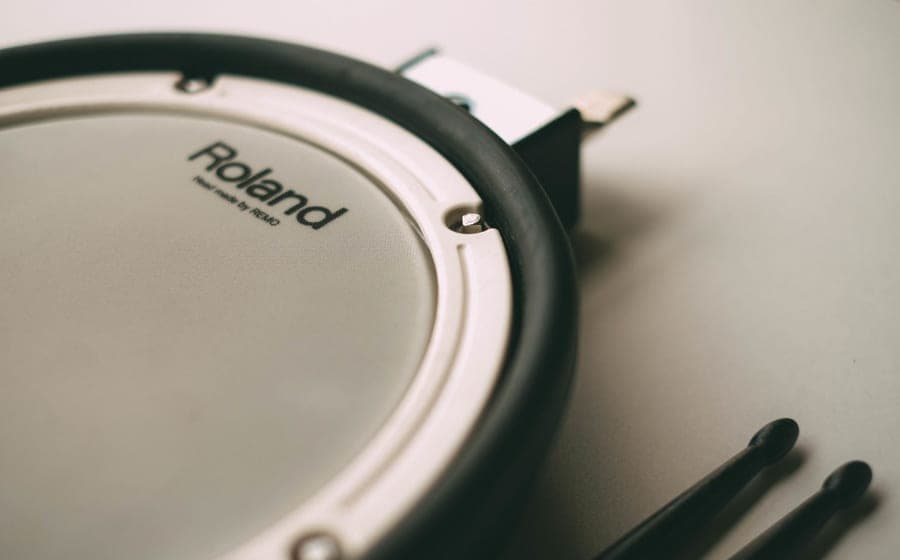
People buy an electronic kit expecting silence, plug in whatever headphones are in a drawer, and discover the problem nobody mentioned: the kit is still loud in the room. Not the drum sounds — the physical noise of wooden sticks striking pads, which no volume knob touches.
That noise is what your headphones have to beat, and it is why drum headphones are a category rather than a marketing exercise.
Every pick states its Starter Path band, and we have not physically tested any of them — the method is on how we pick.
Buy isolation headphones for an electronic kit: they block the stick noise physically, so you can hear the module at a safe volume. Buy closed-back monitoring headphones if sound quality matters more and your kit is quiet. Buy filtered earplugs for an acoustic kit, where there is nothing to plug into.
The problem is not the music
An electronic kit produces two entirely separate sounds. The drum sound comes out of the module into your headphones and is fully under your control. The struck sound is sticks hitting pads, and it exists in the room regardless of any setting.
That struck noise is louder than most people expect, especially on rubber pads, which produce a sharp slap rather than the softer thud of mesh — the difference is covered in mesh heads versus rubber pads.
With ordinary headphones, the only way to hear the module over that is to raise the volume. Do that for an hour a day and you have arrived at genuine hearing risk on an instrument you bought because it was quiet. That is the trap this page exists to prevent.
Isolation versus attenuation
Isolation headphones are built to physically block outside noise, using heavy clamping earcups, and then place drivers inside so you can hear your source. Block first, listen second.
Closed-back monitoring headphones are designed for accurate sound and incidentally block some outside noise. Listen first, block second.
Filtered earplugs block only — they reduce everything by a roughly even amount so the kit still sounds like a kit rather than a muffled thud. There is nothing to listen to through them, which is why they suit an acoustic kit.
Note that noise-cancelling is a fourth thing and it is the wrong tool here. Active cancellation works well on continuous low-frequency noise like an aircraft cabin and poorly on sharp transient impacts, which is exactly what a stick on a pad is.
The picks
The Vic Firth stereo isolation headphones#ad are the purpose-built answer for an electronic kit. Physical isolation combined with drivers inside means the struck noise is attenuated before the module has to compete with it, so you can play along to music at a genuinely lower and safer level.
Against them: they clamp firmly, which is what isolation requires and which gets warm and tiring over a long session; and they are voiced for isolation rather than fidelity, so they sound less refined than monitoring headphones.
The Audio-Technica ATH-M20x#ad is the better-sounding option and the more versatile purchase. Closed-back monitoring headphones with a fixed 3 meter cable — enough to sit at a kit without being tethered awkwardly — and they double for keyboard practice, recording and everything else.
Against them: less physical isolation than the Vic Firths, so on a loud rubber-pad kit you will end up further up the volume dial than is ideal. On a mesh kit, which is much quieter to strike, they are a very good choice.
The Etymotic ER20XS#ad are on this page for the acoustic case, because a substantial number of people arrive here who do not have anything to plug into. They reduce level fairly evenly across frequencies, so cymbals do not disappear and the kit still sounds like a kit — which is precisely why they get worn, and foam plugs do not.
The wider hearing-protection picture, including why this matters so much on an acoustic kit, is in hearing protection for drummers.
Getting the level right
Set the backing track first, then the kit. Bring the music up to a level you can hear comfortably, then set the drum sounds slightly under it. A drummer who sets the kit above the track cannot hear when they are out of time, which is the specific thing playing along is supposed to teach.
Use the aux input. Feeding your phone into the module and monitoring both from one place is far better than a phone speaker fighting your headphones — see electronic drum modules explained.
If you keep reaching for the volume, fix the isolation instead. That reflex is the warning sign.
Wired, always. Bluetooth latency and playing in time do not mix.
The thing headphones cannot fix
Worth being explicit, because it disappoints people who expected headphones to solve apartment drumming entirely.
Headphones handle what you hear. They do nothing about what your neighbors hear, and on an electronic kit the thing that reaches them is not the pads — it is the kick and hi-hat pedals putting repeated impact into the floor, which travels through the building structure regardless of your headphones.
That needs an isolation mat under the whole rack, budgeted at the same time as the kit rather than after the first complaint. The full argument is in best instruments for an apartment, and the rest of the kit you need is in drum accessories you actually need.
Quick picks
Purpose-built for a kit
Physical isolation plus drivers inside, so the struck noise is attenuated before the music has to compete with it.
| # | Product | Best for | Score | Price |
|---|---|---|---|---|
| 1 | No image Vic Firth stereo isolation headphonesOver-ear headphones built to block a drum kit while feeding music in, which is the one job normal headphones cannot do at a live acoustic kit. | Playing along on an acoustic kitEnough | 8.8 | Check price on Amazon → #ad How we’re funded |
If sound quality matters more
Closed-back monitoring headphones with a fixed 3 meter cable. Better sound, less isolation, and they double for everything else you own.
| # | Product | Best for | Score | Price |
|---|---|---|---|---|
| 1 | No image Audio-Technica ATH-M20xClosed-back 40 mm drivers with a 1/4 inch adapter included, which is the socket most digital pianos actually have. | Practice headphonesThe honest floor | 8.7 | Check price on Amazon → #ad How we’re funded |
For an acoustic kit instead
Filtered earplugs that reduce level fairly evenly, so the kit still sounds like a kit. The right answer when there is nothing to plug into.
| # | Product | Best for | Score | Price |
|---|---|---|---|---|
| 1 | No image Etymotic ER20XSFiltered earplugs that cut level roughly evenly across the frequency range, so the kit still sounds like a kit — just quieter. | Hearing protection that still sounds rightEnough | 9.3 | Check price on Amazon → #ad How we’re funded |
The picks in full
Vic Firth stereo isolation headphones
Vic FirthBest for: Playing along on an acoustic kit
Over-ear headphones built to block a drum kit while feeding music in, which is the one job normal headphones cannot do at a live acoustic kit.
Published specifications
- Type:
- Closed-back stereo isolation headphones
- Purpose:
- Attenuate ambient kit volume while delivering a music feed
- Fits:
- Any 1/8 inch source
What it gets right
- Solves the problem earplugs cannot: hearing a backing track over an acoustic kit without turning the track up to damaging levels
- Doubles as hearing protection when nothing is plugged in
- Built by a drum-hardware company, so the headband survives being thrown in a bag
Where it gives ground
- Bulky and warm over a long session
- Sound quality is functional, not hi-fi — they are a tool, not listening headphones
What it is not good at
Electronic kits. A mesh-head kit is quiet enough that ordinary closed-back headphones do the job better and sound nicer.
How the specs score against a beginner’s needs
Scores are our reading of the published specifications above against what a beginner physically needs. They are not test results — we have not played this instrument.
Specifications from Vic Firth stereo isolation headphones published description.
Audio-Technica ATH-M20x
Audio-TechnicaBest for: Practice headphones
Closed-back 40 mm drivers with a 1/4 inch adapter included, which is the socket most digital pianos actually have. The cheapest headphones we would put on a practicing student.
Published specifications
- Type:
- Closed-back, circumaural (over-ear)
- Drivers:
- 40 mm, copper-clad aluminum voice coils
- Frequency response:
- 15 Hz - 20,000 Hz
- Cable:
- 9.8 ft (3.0 m), single-sided, straight
- Weight:
- 6.7 oz (190 g) without cable
- In the box:
- 6.3 mm (1/4") snap-on adapter
What it gets right
- Closed-back, so the sound stays in and the room stays out — the whole point of practice headphones
- The 1/4 inch adapter is included, and that is the socket most digital pianos have rather than the 1/8 inch a phone uses
- Under 200 grams, which matters over an hour of practice on a child's head
Where it gives ground
- The cable is fixed, not detachable, so a damaged cable means new headphones
- A 3 meter cable is generous at a piano and a trip hazard anywhere else
What it is not good at
Portability. They do not fold flat and there is no case. These live at the instrument.
How the specs score against a beginner’s needs
Scores are our reading of the published specifications above against what a beginner physically needs. They are not test results — we have not played this instrument.
Specifications from Audio-Technica ATH-M20x published specifications.
Etymotic ER20XS
Etymotic ResearchBest for: Hearing protection that still sounds right
Filtered earplugs that cut level roughly evenly across the frequency range, so the kit still sounds like a kit — just quieter. Reusable, with a cord and a case.
Published specifications
- Type:
- High-fidelity filtered earplug, reusable
- Attenuation:
- Up to 20 dB sound reduction
- Response:
- Configured to replicate the natural response of the ear canal
- In the box:
- Neck cord, carrying case
- Sizes:
- Standard and large
What it gets right
- Even attenuation across frequencies, so cymbals do not disappear the way they do behind foam plugs
- Reusable rather than disposable, which is what makes them actually get worn every session
- The neck cord is the difference between owning them and losing them in week two
Where it gives ground
- Two sizes, and getting the wrong one means a poor seal and much less protection than the rating suggests
- They sit deeper in the ear than foam, which takes some getting used to
What it is not good at
Extremely loud environments on their own. Twenty decibels is right for a drum kit; a loud stage may need more, and no earplug helps if it is not sealed.
How the specs score against a beginner’s needs
Scores are our reading of the published specifications above against what a beginner physically needs. They are not test results — we have not played this instrument.
Specifications from Etymotic ER20XS published specifications.
Questions people actually ask
Can you use normal headphones with an electronic drum kit?
You can, and they underperform in a specific way. An electronic kit still makes real physical noise when sticks hit pads, so ordinary headphones leave you turning the music up to compete with it — which is how drummers damage their hearing on a kit they thought was silent.
Are isolation headphones better than normal ones for drums?
For an electronic kit, usually. They physically block the struck noise first, so you can hear the module at a much lower and safer volume. They sound less refined than monitoring headphones, which is the trade.
Do I need headphones for an acoustic kit?
You need hearing protection, which is a different product. There is nothing to plug into on an acoustic kit, so filtered earplugs or isolation headphones fed from a phone are the options.
Are wireless headphones OK for drumming?
Generally not. Bluetooth introduces latency between the module and your ears, and even a small delay is disorienting when you are trying to play in time with what you hear. Use a wired connection.
Sources
Still deciding?
Every recommendation on this site is built the same way, and the method is published in full — including what we do not do and what would get a pick dropped.
Read next
- Best hearing protection for drummers
Why foam plugs are the wrong tool, filtered plugs versus isolation headphones, and what the exposure numbers actually say.
- Best electronic drum sets for beginners
Mesh versus rubber pads, the kick-thump problem that headphones do not solve, and picks for adults and children.
- Mesh heads or rubber pads?
How mesh and rubber differ in rebound and struck noise, what tensioning does, and which kits use which.
- What an electronic drum module actually does
Sounds, sensitivity, inputs and outputs decoded, plus the three module specs that genuinely affect how a kit plays.
- Drum accessories you actually need
Sticks, a pad, hearing protection and a throne, in priority order, plus the upgrades that genuinely change how a cheap kit sounds.