Strings
Best violin brands for beginners
On a first violin, brand is a proxy for one thing only: whether a human being adjusted the instrument before it was boxed.
By Sawyer V. · Published · Last updated
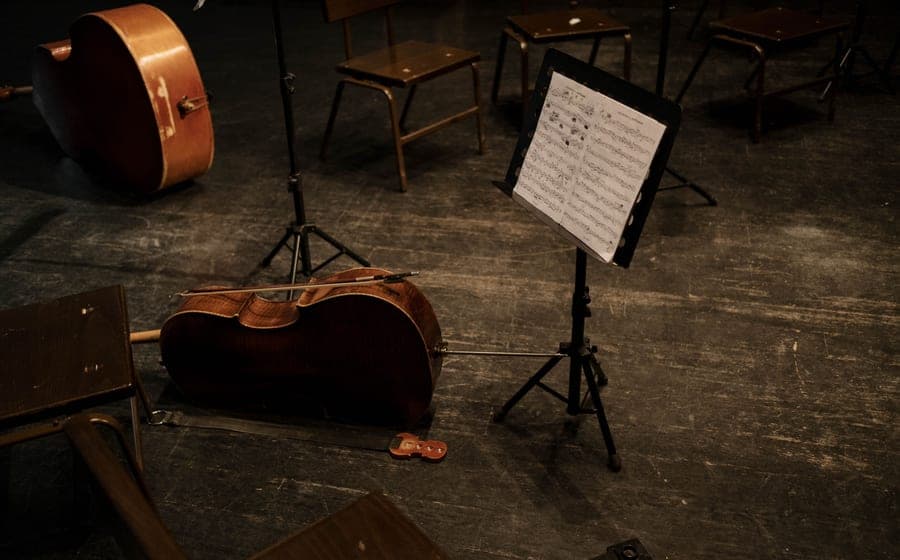
Violin is the instrument where brand advice is least useful and most frequently given. The reason is structural: at the beginner end, most instruments come from a small number of workshops and are branded by whoever imports them, so the name on the label is telling you about a distribution decision rather than about who made the violin.
What the name does sometimes tell you is whether the instrument was adjusted by a person before it was put in a box. On a first violin that is worth more than everything else combined.
Every pick states its Starter Path band, and we have not physically tested any of them — the method is on how we pick.
Stentor is the beginner brand we recommend, because the Student II is individually set up in a workshop before it ships and comes in five fractional sizes. Setup is the single biggest variable on an inexpensive violin, and it is the thing most budget brands leave out.
Why setup outranks everything
A violin arrives as an assembly of parts under tension, and several of those parts have to be positioned by hand. The bridge is not glued; it stands under string pressure and has to be shaped and placed. The soundpost inside the body has to be upright and in the right spot. The pegs have to be fitted so they turn smoothly and then hold. The nut and bridge slots have to be cut to a height the player can press down.
None of that is visible in a photograph and none of it is on a specification sheet. A violin that has skipped it can arrive with a bridge lying flat in the case, pegs that slip every few minutes, and strings so high above the fingerboard that a child cannot press them.
A beginner cannot diagnose any of this. What they experience is that the violin is impossible, and they are correct.
Stentor — the one we recommend
The Stentor Student II Violin Outfit#ad is the beginner violin this site points at, and the reason is in the sentence Stentor publishes about it: each instrument is individually set up in a workshop before it ships.
The rest of the specification supports that. Solid carved spruce and solid figured maple rather than pressed or laminated wood. An ebony fingerboard and ebony or rosewood pegs — not stained hardwood, which wears through on the fingerboard and will not hold a tuning at the pegs. Five fractional sizes, from 1/8 up to full size, so the same instrument family covers a child from about five to adult.
What it does not do: the supplied steel-core strings are the first upgrade most teachers suggest, and the bow is functional rather than good. Both are normal at this tier and both are cheap to improve later.
Cecilio and Mendini
Cecilio, and its Mendini budget line, is the brand most people meet first because it is the one that appears at the lowest prices across violin, viola, cello and drums.
Its strength is completeness. The Cecilio CCO-100 cello outfit#ad cello outfit arrives with a hard case, a soft case, a bow, a stand, rosin and a spare string set, which matters because a cello is expensive to complete and the accessories are not optional.
Its weakness is the setup question above. At this price the bridge fitting and soundpost check have not been done to the standard a teacher expects, so the honest advice is to budget for a shop visit on arrival. That is not a reason to avoid it; it is a reason to plan for it, and we say the same thing in best beginner cellos.
The names that show up next to them
Eastar and the other online-first brands compete directly with Cecilio at the bottom of the market. The same rule applies: look for an explicit setup claim, and treat its absence as meaningful.
Yamaha makes student violins as it makes student everything, and the quality control reputation carries over. They are priced above the entry tier and are a reasonable step-up rather than a first purchase.
Local rental stock is not a brand and belongs on this list anyway. A school or shop rental instrument has been set up, is maintained, and can be exchanged when a child grows — which happens on violin more than on any other instrument. The case for and against is in rent or buy a first instrument.
What to check before any of this
Size. Violin size is set by the player’s arm length, not their age, and an instrument one size too large is genuinely unplayable rather than merely awkward. Measure before you shop. The method is in violin sizes by age.
Whether it is an outfit. A violin on its own is not usable. You need a bow, rosin and a case at minimum, and most beginner violins are sold as an outfit that includes them. What should be in the box is in what comes with a violin outfit.
Whether a teacher is involved. If lessons are booked, ask the teacher before buying. Violin teachers have strong and well-founded opinions about which instruments they can work with, and a violin they reject is a violin you own.
The model-by-model picks are in best beginner violins, and what the whole thing should cost is in how much a beginner violin should cost.
What we would buy
Stentor Student II Violin Outfit
StentorBest for: First violin, every size
Solid carved spruce and maple with an ebony fingerboard, set up in a workshop before shipping, and made in five fractional sizes. The workshop setup is the specification that matters most on a beginner violin.
Published specifications
- Top:
- Solid carved spruce
- Back / sides:
- Solid figured maple
- Fingerboard:
- Ebony
- Pegs:
- Ebony or rosewood
- Sizes:
- 4/4, 3/4, 1/2, 1/4, 1/8
- Strings:
- Steel core, factory fitted
- Outfit:
- Wooden bow with ebony frog and natural horsehair, rosin, shaped lightweight case with music pocket and rucksack straps
What it gets right
- Ebony fingerboard and pegs, not stained hardwood — a stained fingerboard wears through and a soft peg will not hold a tuning
- Individually set up in a workshop before it ships, which is the single biggest variable on a cheap violin
- Available in five fractional sizes, so the same instrument family covers a child from about age five to adult
Where it gives ground
- The supplied steel-core strings are the first upgrade most teachers suggest
- The bow is functional rather than good; it is the second upgrade
What it is not good at
Being bought without measuring. Violin size is set by the player's arm length, not their age, and a violin one size too big is genuinely unplayable rather than merely awkward. Measure first.
How the specs score against a beginner’s needs
Scores are our reading of the published specifications above against what a beginner physically needs. They are not test results — we have not played this instrument.
Specifications from Stentor Music — Student II violin outfit.
Cecilio CCO-100 cello outfit
CecilioBest for: First cello, complete outfit
A spruce-top, maple-body cello that arrives with a hard case, a soft case, a bow, a stand, rosin and a spare string set. Cellos are expensive to complete, and this one is complete.
Published specifications
- Top:
- Spruce
- Back / neck / sides:
- Maple
- Bow:
- Brazilwood with unbleached horsehair
- In the outfit:
- Hard case, soft case, bow, cello stand, rosin, spare string set
- Sizes:
- Available in full and fractional sizes
- Warranty:
- 1 year against manufacturer defects
What it gets right
- Genuinely complete — a cello needs a bow, rosin, a stand and a case to be usable, and buying those separately costs more than the instrument
- Both a hard and a soft case, which for an instrument this size is a real convenience rather than a gimmick
- Available in fractional sizes, so a growing child stays within one family
Where it gives ground
- The supplied bow and strings are the first two things a teacher will suggest upgrading
- Set-up quality is the variable at this tier — budget for a shop check before the first lesson
What it is not good at
Arriving ready. A cello needs its bridge fitted and its soundpost checked, and at this price that work has not been done to the standard a teacher expects. Factor a setup in.
How the specs score against a beginner’s needs
Scores are our reading of the published specifications above against what a beginner physically needs. They are not test results — we have not played this instrument.
Specifications from Cecilio Music — CCO-100 cello outfit.
Questions people actually ask
What is the best violin brand for beginners?
Stentor, for the Student II outfit specifically. It is carved solid spruce and maple with an ebony fingerboard, set up in a workshop before shipping, and available in five fractional sizes.
Are cheap violin brands worth buying?
Only where the seller says the instrument was set up before shipping. An unset-up violin arrives with a bridge that may be unfitted and pegs that may not hold, and a teacher will usually send it away.
What should I check on a beginner violin?
An ebony fingerboard rather than stained hardwood, pegs that hold, a fitted bridge, and the right fractional size for the player’s arm. Size is measured, not guessed from age.
Does violin brand matter more than setup?
No, and this is the one instrument family where that is unambiguous. A well set-up inexpensive violin is playable; a badly set-up expensive one is not, and the difference is audible on the first note.
Sources
Still deciding?
Every recommendation on this site is built the same way, and the method is published in full — including what we do not do and what would get a pick dropped.
Read next
- Best beginner violins: measure first, then buy
Arm-length sizing chart, why workshop setup is the spec that matters most, and one pick available in five sizes.
- Violin sizes by age and arm length
The full fractional chart by arm length, how to measure, and why a violin one size too big cannot be played correctly.
- What comes with a violin outfit, and what doesn't
What an outfit contains, what each part is worth bought separately, and the two items nearly everyone still needs.
- What a beginner violin should cost
Four price bands for a first violin, the workshop setup that decides everything, and why renting usually beats buying in year one.
- Best beginner cellos
Why outfit completeness is the spec that matters on a cello, sizing by height, and the setup cost to budget for.