Strings
Best instruments to start bluegrass on
The fastest route into a bluegrass jam is not the instrument you like the sound of. It is the one the jam is short of.
By Sawyer V. · Published · Last updated
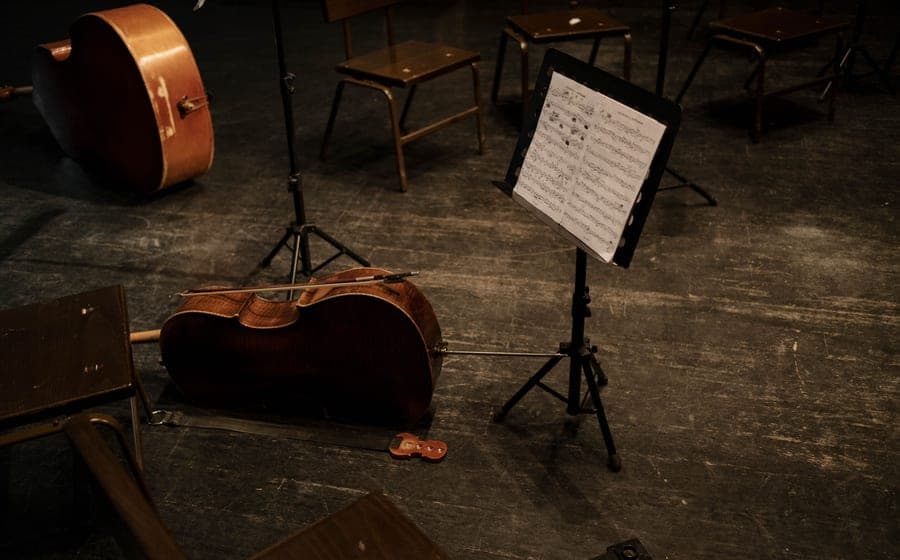
Bluegrass is unusually welcoming to beginners, for a structural reason: the instrument roles are fixed. A jam full of strangers works because everyone knows what their instrument is supposed to do, and that means a beginner who can do one simple thing reliably has a seat.
Which makes the choice of instrument a strategic decision rather than only a musical one.
Every pick states its Starter Path band, and we have not physically tested any of them — the method is on how we pick.
Guitar is the easiest to be useful on and the most crowded chair. Mandolin is nearly as learnable and much less common. Banjo is the sound most people want and has the hardest right-hand technique. Bass and fiddle are the seats jams are actually short of.
What each instrument does
| Instrument | Its job | Difficulty to start | How crowded |
|---|---|---|---|
| Guitar | Rhythm and bass runs | Lowest | Very crowded |
| Mandolin | The offbeat chop | Low | Moderate |
| Banjo | Rolls and drive | Moderate | Moderate |
| Fiddle | Melody and fills | Highest | Always wanted |
| Upright bass | Root notes on the beat | Low musically, high logistically | Always wanted |
The picks
The Kentucky KM-150#ad is our recommendation for the best balance of learnability and usefulness. The mandolin’s core job in bluegrass is the chop — a short, muted chord on the offbeat — and it is a genuinely defined, learnable task. Do it in time and you are contributing.
The tuning helps too. Mandolins are tuned in fifths, GDAE, so scale patterns are identical everywhere on the neck rather than shifting the way guitar shapes do. It is also the same tuning as a fiddle, which makes crossing over later straightforward.
Against it: eight steel strings in four pairs means pressing two strings at once for every note, which is harder on uncalloused fingertips than any other instrument here, and the tuning is fiddlier — see how to tune a mandolin. The full mandolin field is in best beginner mandolins.
The Recording King RKOH-05 Dirty 30s#ad is here with an important caveat. The banjo is the sound most people mean when they say bluegrass, and this is a good, inexpensive banjo — but it is an open-back, and classic bluegrass wants a resonator to produce that loud, cutting drive.
As a practice instrument and an entry into the technique it is excellent, and it is quieter at home, which is a genuine advantage. If your goal is specifically to be heard in a bluegrass jam, budget for a resonator instead. The full open-back versus resonator argument is in best beginner banjos.
The Yamaha FG800#ad is the guitar answer, and it is the fastest route to being genuinely useful. Bluegrass rhythm guitar is boom-chuck — bass note, strum — plus walking bass runs between chords, and a player with three chords and steady time can hold that down within weeks.
A solid spruce top gives the volume and note separation flatpicking needs. Its honest drawback has nothing to do with the instrument: the guitar chair is the most crowded in every jam, so you will be one of several. The wider field is in best beginner acoustic guitars.
The two seats nobody fills
Upright bass. Musically the most approachable instrument in bluegrass — root notes on the beat, often just two notes per chord — and logistically the hardest, because it is enormous and needs a vehicle. Jams are permanently short of bass players, so a competent beginner is welcome immediately.
Fiddle. The hardest to start, because it is fretless and bowed — every note is placed by ear and the bow is a second skill entirely. It is also always wanted. If you are willing to spend a year sounding bad, nothing gets you invited to play faster. The honest timeline is in bowed versus fretted strings and the instrument picks are in best beginner violins.
How to choose
If you want to be playing with people in three months — guitar or mandolin. Both have simple, defined rhythmic jobs you can do adequately quite quickly.
If you want the banjo sound — buy a banjo. Choosing an instrument you do not love because it is easier is a well-documented way to stop practicing.
If you want to be needed — bass or fiddle, and accept the longer runway.
One thing that applies whatever you choose: bluegrass is learned by playing with people rather than alone in a room. Find a slow jam early. It is the single strongest predictor of anyone sticking with an instrument, which is the argument we make across the whole site in how to stop a beginner quitting.
Quick picks
Mandolin — the chop
Four courses tuned in fifths, and a defined rhythmic job from day one. The most learnable entry into the ensemble.
| # | Product | Best for | Score | Price |
|---|---|---|---|---|
| 1 | No image Kentucky KM-150An all-solid A-style mandolin with a hand-carved spruce top and solid maple back and sides, at the tier where laminate is still the norm. | First mandolin, all solid woodEnough | 8.3 | Check price on Amazon → #ad How we’re funded |
Banjo — the sound people mean
Harder right-hand technique and the most recognizable voice in the music. Note that bluegrass proper wants a resonator.
| # | Product | Best for | Score | Price |
|---|---|---|---|---|
| 1 | No image Recording King RKOH-05 Dirty 30sAn open-back 5-string with a multi-ply rim and a real Remo head at the bottom of the market. | The honest floor, open-backThe honest floor | 7.8 | Check price on Amazon → #ad How we’re funded |
Guitar — the seat that always exists
Rhythm and bass runs. The easiest instrument here to be useful on quickly, and the most crowded chair in any jam.
| # | Product | Best for | Score | Price |
|---|---|---|---|---|
| 1 | No image Yamaha FG800A solid Sitka spruce top with scalloped bracing at the entry price. | Buy once, acousticEnough | 8.8 | Check price on Amazon → #ad How we’re funded |
The picks in full
Kentucky KM-150
KentuckyBest for: First mandolin, all solid wood
An all-solid A-style mandolin with a hand-carved spruce top and solid maple back and sides, at the tier where laminate is still the norm.
Published specifications
- Style:
- A-style, traditional design
- Top:
- Select solid spruce, hand-carved and graduated
- Back / sides:
- Select solid maple
- Neck:
- Solid maple
- Fingerboard:
- Rosewood
- Peghead:
- Traditional snakehead shape
- Neck joint:
- Modified dovetail
What it gets right
- All-solid construction — a carved, graduated top is what gives a mandolin its bark, and laminate cannot do it
- A dovetail neck joint rather than a bolt, which is the traditional construction and holds its geometry
- A-style bodies are simpler and cheaper to build than F-style, so the money goes into the wood rather than the scroll
Where it gives ground
- A-style has no scroll, which is purely cosmetic and matters to some players anyway
- Mandolin strings are under high tension and the instrument needs a setup to play comfortably
What it is not good at
Small hands. A mandolin neck is narrow but the string pairs are close together and the tension is high, which is hard on soft fingertips at first.
How the specs score against a beginner’s needs
Scores are our reading of the published specifications above against what a beginner physically needs. They are not test results — we have not played this instrument.
Specifications from Saga Music — Kentucky KM-150 standard A-model mandolin.
Recording King RKOH-05 Dirty 30s
Recording KingBest for: The honest floor, open-back
An open-back 5-string with a multi-ply rim and a real Remo head at the bottom of the market. Open-back is the right first banjo for clawhammer and old-time, and this is the cheapest one worth owning.
Published specifications
- Type:
- 5-string, open-back
- Rim:
- Multi-ply
- Head:
- Remo
- Neck:
- Maple
- Fretboard:
- Revebond, inlaid dot markers
- Scale length:
- 26-1/4"
- Hardware:
- Nickel-plated, Presto-style tailpiece
- Bridge:
- Maple/ebony
What it gets right
- Open-back construction is quieter and lighter than a resonator banjo, and it is what old-time and clawhammer playing actually wants
- Multi-ply rim rather than the cheapest possible single-ply
- A genuine Remo head, which is the part most budget banjos economize on
- Presto-style tailpiece and a maple/ebony bridge are proper components rather than tokens
Where it gives ground
- Published reviews consistently flag a narrow neck and tight string spacing at the nut — a real problem for larger hands
- Open-back means noticeably less volume and projection than a resonator banjo
- Not a bluegrass banjo — if you want that driving, cutting sound you want a resonator
- Budget banjos typically need a setup before they play properly
What it is not good at
Bluegrass. An open-back banjo cannot produce the loud, focused bark that bluegrass three-finger playing is built on, and no amount of setup changes that — it is what the resonator is for.
How the specs score against a beginner’s needs
Scores are our reading of the published specifications above against what a beginner physically needs. They are not test results — we have not played this instrument.
Specifications from Banjo Teacher — Recording King RKOH-05 published specifications, Amazon listing naming the exact model.
Yamaha FG800
YamahaBest for: Buy once, acoustic
A solid Sitka spruce top with scalloped bracing at the entry price. Solid-versus-laminate is the one acoustic spec that changes what the instrument does over years, and this is the cheapest place to get it done right.
Published specifications
- Top:
- Solid Sitka spruce
- Back / sides:
- Nato / okume
- Neck / fingerboard:
- Nato neck, rosewood fingerboard, R400 mm (23-5/8") radius
- Scale length:
- 650 mm (25-9/16")
- Nut width:
- 43 mm (1-11/16")
- Bracing:
- Scalloped
- Body:
- Traditional Western (dreadnought), 412 mm (16-1/4") wide, 100-118 mm deep
- Hardware:
- Die-cast chrome tuners, urea nut and saddle
What it gets right
- A solid top, not a laminate — the only acoustic spec at this price that genuinely changes over time
- Scalloped bracing and die-cast tuners are specifications you normally pay considerably more for
- Yamaha's most-copied entry acoustic; parts, setups and advice are everywhere
Where it gives ground
- A full dreadnought body is a big box — 412 mm across and up to 118 mm deep
- Nato and okume back and sides are the cost saving; the top is where the money went
What it is not good at
Fitting a smaller player. The dreadnought body is wide and deep enough that a young teenager can struggle to get their arm over it comfortably. If that is the buyer, look at the JR1 or a concert-size body instead.
How the specs score against a beginner’s needs
Scores are our reading of the published specifications above against what a beginner physically needs. They are not test results — we have not played this instrument.
Specifications from Yamaha Europe — FG/FS800 series specifications.
Questions people actually ask
What instruments are in a bluegrass band?
Five standard ones: guitar, banjo, mandolin, fiddle and upright bass. Dobro is a common sixth. Each has a defined role, which is why bluegrass jams work with strangers.
What is the easiest bluegrass instrument to learn?
Guitar for being immediately useful — rhythm playing is achievable in weeks. Mandolin is close behind, because the chop chord is a simple, defined job. Fiddle is comfortably the hardest.
Which bluegrass instrument is most in demand?
Bass, by a distance, and it is rarely what beginners want. After that, fiddle. Guitar is the most crowded chair in almost every jam.
Do I need a resonator banjo for bluegrass?
For the classic driving bluegrass sound, yes. An open-back is quieter and warmer and gets buried in a jam. Our banjo picks are open-backs, which suits practice and old-time better than it suits bluegrass.
Sources
Still deciding?
Every recommendation on this site is built the same way, and the method is published in full — including what we do not do and what would get a pick dropped.
Read next
- Best beginner banjos
Open-back versus resonator, what a multi-ply rim actually buys, and two open-back banjos with their weaknesses stated.
- Best beginner mandolins
A-style versus F-style, why a carved solid top matters more here than on a guitar, and the setup a mandolin needs.
- Best beginner violins: measure first, then buy
Arm-length sizing chart, why workshop setup is the spec that matters most, and one pick available in five sizes.
- How to tune a mandolin
GDAE in pairs, why unison courses are unforgiving, the tuning order that converges, and what to do when a course will not settle.
- Best beginner acoustic guitars: solid tops from $200 to $350
Solid versus laminate tops, the dreadnought body-size problem, and picks for adults and children separately.