Strings
Best beginner violas
The instrument school orchestras are always short of, and the one whose sizing system catches out nearly every parent buying their first one.
By Sawyer V. · Published · Last updated
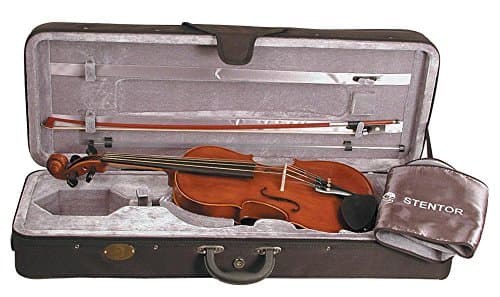
The viola is the instrument school orchestras are permanently short of, which makes it one of the better bets for a student who wants to play in an ensemble: violists get into groups that turn violinists away.
It is also the instrument whose sizing catches out nearly every first-time buyer, because it does not use the fractional system everyone has heard of.
We have not played these instruments. What follows is our reading of what each maker publishes about woods, fittings and what comes in the case, and the method is on how we pick. One thing we will not do: two brands that dominate the cheapest end of this category have no working manufacturer site and no spec sheet anywhere we could cite, so they are not on this page.
Get the size right first: violas are measured in body inches, and the common student sizes are 12, 13, 14, 15, 15.5 and 16. For a growing student, the Stentor Student II outfit, which offers all six sizes with solid ebony fittings. For an adult-sized player who wants the setup done properly before it ships, the Cremona SVA-500 at 16 inches. The Stentor Student I is the cheaper entry to the same size ladder.
Sizing, which is the whole first decision
A violin is a 4/4, a 3/4, a 1/2 and so on. A viola is a 16 inch, a 15 inch, a 14 inch. The number is the body length, and there is no such thing as a full size in the violin sense — professionals play anything from about 15.5 to 17 inches by preference.
The fitting method is the same as a violin’s: extend the left arm out at roughly 45 degrees with the palm up, and measure from the base of the neck to the middle of the palm. That measurement in inches is the body length to look for.
Shar’s published sizing ladder runs 11 inch for ages five to seven, 12 inch for six to seven, 13 inch for seven to nine, 14 inch for eleven to thirteen, 15 inch for a small adult or a child of twelve to fourteen, 15.5 inch for an average adult and 16 inch for a large adult. Treat those as starting points, not rules.
One extra consideration the violin does not have: because the instrument is bigger, the spacing between fingers is wider. A player with small hands may be better on a slightly shorter body than their arm length suggests.
What to insist on at student prices
Carved solid tonewoods. A spruce top with maple back and ribs, carved rather than pressed or laminated. Both Stentor outfits and the Cremona publish this.
Ebony fittings, if you can reach them. Pegs and fingerboard take constant friction. Solid ebony wears well; ebonised wood is a cheaper wood stained black, and it wears faster. This is the main difference between the two Stentor tiers here.
Four fine tuners. A composite tailpiece with integral adjusters lets a beginner tune without touching the pegs, which is the single biggest source of broken strings and frustration in a first year.
A setup, from somewhere. The bridge has to be fitted to the instrument, the soundpost positioned and the nut slots cut properly. Only the Cremona publishes a workshop setup claim; for the others, budget for a shop visit and treat it as part of the price.
How we ranked these
Setup quality first, because it decides whether the instrument is playable as it arrives. Then sizing range, then how complete the outfit is, then the quality of the fittings, then room to grow.
The picks
The Stentor Student II viola outfit (1505)#ad is the one we would buy for a student who is going to stay with it. It is the same carved solid tonewood construction as the cheaper Stentor, with inlaid purfling and a gold brown varnish, but the fingerboard is solid ebony and the pegs are ebony rather than pau rosa. On an instrument tuned by turning pegs and pressed on a fingerboard for years, those two parts are where wear shows.
It runs the full ladder from 12 to 16 inches, and the composite tailpiece has integral adjusters on all four strings. Two honest notes: Stentor does not list rosin in this outfit even though the cheaper Student I includes it, and retailers list it as special order rather than stocked, so delivery timing is not guaranteed.
The Cremona SVA-500 Premier Artist viola outfit#ad is the one for a player who has stopped growing, and it is the only viola here that publishes a setup claim: set up to educational standards in Cremona’s US workshop, with a French-made Aubert bridge. Hand-carved solid flamed maple back and sides, a select solid spruce top, hand-applied oil varnish, African ebony fittings, four built-in fine tuners and a named J. LaSalle bow.
The catch is size: it comes in 16 inch only, so it does not serve a child at all. Saga also positions it for the advanced student, and it costs considerably more than either Stentor — on the Starter Path this is where overspending starts for a true beginner, even though it is a genuinely better instrument.
The Stentor Student I viola outfit (1038)#ad is the entry point to the same size ladder, and for a first year it is enough instrument. Carved spruce front, carved maple back, ribs and neck, inlaid purfling, integral fine adjusters, a wood bow with an ebony frog, a lightweight case with a music pocket, and rosin included.
What you give up is the fittings: an ebonised straight-grained fingerboard rather than solid ebony, and pau rosa pegs. For a student who may switch instruments in a year that is the right trade; for one who will still be playing in three years it is the reason to stretch to the Student II.
What else the first year needs
Rosin, which the Student I includes and the other two do not publish. A bow without rosin makes no sound at all, and this catches out more first-time buyers than anything else.
A shoulder rest, sized for a viola rather than a violin. The instrument is bigger and heavier and the gap between shoulder and chin is larger.
A tuner, because tuning a viola by ear is a skill that takes months. A clip-on chromatic tuner reads C-G-D-A as happily as a violin’s G-D-A-E — the options are in best clip-on tuners.
Alto clef patience. Not a purchase, but worth knowing: viola music is written in a clef violinists do not read, and that is the real adjustment for a switcher. The full comparison is in violin vs viola for beginners.
Quick picks
The one to buy for a growing student
Solid ebony fingerboard and pegs rather than ebonised wood, in six body sizes from 12 to 16 inches.
| # | Product | Best for | Score | Price |
|---|---|---|---|---|
| 1 | Stentor Student II viola outfit (1505)The same six-size ladder as the Student I, with solid ebony replacing the ebonised fingerboard and pau rosa pegs. | Real ebony at student pricesEnough | 8.2 | $365.21 · View on Amazon #ad How we’re funded |
If the player is adult-sized
A 16 inch outfit set up in a US workshop with a named French bridge, for a player who has stopped growing.
| # | Product | Best for | Score | Price |
|---|---|---|---|---|
| 1 | 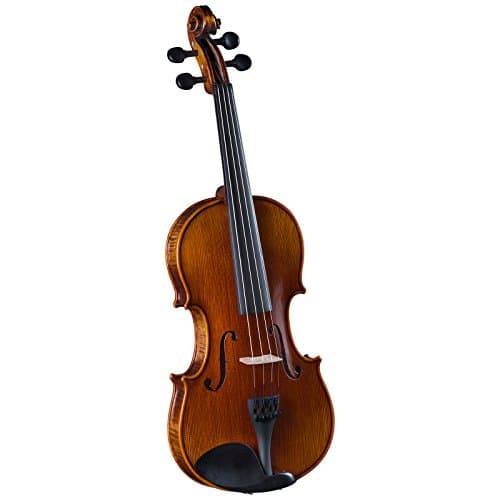 Cremona SVA-500 Premier Artist viola outfitThe only viola here with a published US workshop setup and a named bridge. | A setup done before it shipsWhere overspending starts | 8.0 | $499.99 · View on Amazon #ad How we’re funded |
The entry point
The same six-size ladder and solid carved tonewoods, with ebonised fittings and rosin included in the outfit.
| # | Product | Best for | Score | Price |
|---|---|---|---|---|
| 1 | 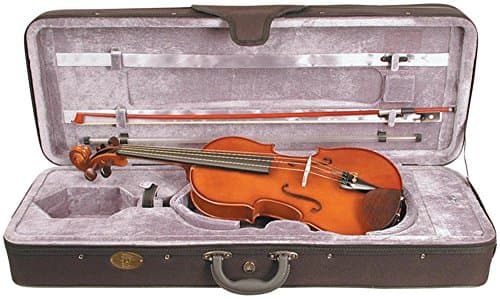 Stentor Student I viola outfit (1038)Carved solid tonewoods in six body sizes from 12 to 16 inches, with a bow, case and rosin in the outfit. | A first viola in any sizeThe honest floor | 7.2 | $254.99 · View on Amazon #ad How we’re funded |
The picks in full
Stentor Student II viola outfit (1505)
StentorBest for: Real ebony at student prices
The same six-size ladder as the Student I, with solid ebony replacing the ebonised fingerboard and pau rosa pegs. On a bowed instrument those fittings are the parts that wear.
Published specifications
- Sizes:
- 12" (305mm), 13" (330mm), 14" (355mm), 15" (380mm), 15.5" (395mm), 16" (405mm)
- Body:
- Carved solid tonewoods: spruce front, maple back, ribs and neck, inlaid purfling
- Fingerboard:
- Ebony
- Pegs:
- High quality ebony
- Tailpiece:
- Composite with integral adjusters
- Finish:
- Gold brown varnish
- Outfit:
- Good quality wood bow; lightweight case with reflectors, straps and music pocket
What it gets right
- Solid ebony fingerboard and ebony pegs rather than ebonised wood and pau rosa, which is the durable difference at this tier
- The same 12 to 16 inch size ladder, so it fits a child or an adult
- Integral fine adjusters on all four strings
Where it gives ground
- Stentor does not list rosin in this outfit, though the cheaper Student I outfit includes it
- Retailers list it as special order rather than stocked, so delivery timing is not guaranteed
- No workshop setup is published, so budget for a shop setup as with any factory outfit
What it is not good at
Being bought by fraction size. Violas are measured in body inches, and there is no such thing as a 3/4 viola in this catalog.
How the specs score against a beginner’s needs
Scores are our reading of the published specifications above against what a beginner physically needs. They are not test results — we have not played this instrument.
Specifications from Stentor — Student II viola outfit 1505.
Cremona SVA-500 Premier Artist viola outfit
CremonaBest for: A setup done before it ships
The only viola here with a published US workshop setup and a named bridge. Hand-carved flamed maple and solid spruce, African ebony fittings, an Aubert bridge, in one 16 inch size.
Published specifications
- Size:
- 16" only
- Body:
- Hand-carved solid flamed maple back and sides, select solid spruce top
- Finish:
- Hand-applied dark amber oil varnish
- Fittings:
- African ebony fittings and fingerboard, composite tailpiece with 4 built-in fine tuners
- Bridge / strings:
- French Aubert bridge; premium steel strings
- Outfit:
- J. LaSalle LB-13V brazilwood bow, deluxe arched-top oblong case
- Setup:
- Set up to educational standards at Cremona's US workshop
What it gets right
- A published US workshop setup and a named Aubert bridge — the part of a student outfit most often wrong out of the box
- African ebony fittings and fingerboard with four built-in fine tuners
- Hand-carved solid flamed maple and select solid spruce with oil varnish, all published rather than implied
- The bow is a named model rather than an unidentified inclusion
Where it gives ground
- 16 inch only, so it does not serve a child or a smaller player at all
- Saga positions it for the advanced student, which is a different buyer from a first-year beginner
- Detailed specs are routed to a separate PDF; no chinrest, string brand or rosin is published
What it is not good at
A first instrument for a child. With one 16 inch body size it is an adult or large-teen viola only.
How the specs score against a beginner’s needs
Scores are our reading of the published specifications above against what a beginner physically needs. They are not test results — we have not played this instrument.
Specifications from Saga Music — Cremona SVA-500 Premier Artist viola outfit.
Stentor Student I viola outfit (1038)
StentorBest for: A first viola in any size
Carved solid tonewoods in six body sizes from 12 to 16 inches, with a bow, case and rosin in the outfit. The entry tier of the range school programs already know.
Published specifications
- Sizes:
- 12" (305mm), 13" (330mm), 14" (355mm), 15" (380mm), 15.5" (395mm), 16" (405mm)
- Body:
- Carved solid tonewoods: spruce front, maple back, ribs and neck, inlaid purfling
- Fingerboard:
- Ebonised, straight grained
- Pegs:
- High quality dark pau rosa
- Tailpiece:
- Composite with integral adjusters
- Finish:
- Mid brown varnish
- Outfit:
- Wood bow with ebony frog, lightweight case with music pocket, rosin
What it gets right
- Six body sizes from 12 to 16 inches, so a growing student stays inside one product line
- Carved solid tonewoods with inlaid purfling rather than a laminated body
- Integral fine adjusters on all four strings, which is what a beginner who cannot yet tune with pegs needs
- Rosin is in the outfit, which the step-up Student II outfit does not list
Where it gives ground
- The fingerboard is ebonised rather than solid ebony, and the pegs are pau rosa rather than ebony
- Sizes are body inches, not violin fractions — ordering by fraction gets the wrong instrument
- Stentor publishes no workshop setup claim, so a shop setup is still the buyer's job
What it is not good at
Holding its setup untouched out of the box. Like any factory student outfit, it is sold on specification rather than on a finished setup.
How the specs score against a beginner’s needs
Scores are our reading of the published specifications above against what a beginner physically needs. They are not test results — we have not played this instrument.
Specifications from Stentor — Student I viola outfit 1038.
Questions people actually ask
What size viola does my child need?
Violas are sized by body length in inches, not by violin fractions. Retailer sizing guides run roughly 12 inch for ages six to seven, 13 inch for seven to nine, 14 inch for eleven to thirteen, 15 inch for a small adult or young teenager, and 15.5 to 16 inch for most adults. Measure the arm rather than guessing from age.
Is a viola just a big violin?
No. It is tuned a fifth lower, it reads alto clef rather than treble, the strings are thicker and need more weight from the bow, and the reach between fingers is wider. The fuller comparison is in violin vs viola for beginners.
Why is there no 3/4 viola?
Because the instrument was never standardized to one full size the way the violin was. Makers list body lengths instead, so a 14 inch viola is simply a viola with a 14 inch body. Ordering by fraction is the most common way to get the wrong instrument.
Should a beginner rent or buy a viola?
Rent for a growing child, because sizes change every year or two and rental programs swap sizes. Buy once the player has stopped growing, or if the school has no rental scheme. That logic is in rent or buy a first instrument.
Does a new viola need a setup?
Almost always. A factory outfit arrives with the bridge and pegs approximately right, and a shop setup makes the difference between an instrument that plays in tune easily and one that fights the student. Only one outfit here publishes a workshop setup claim.
Sources
Still deciding?
Every recommendation on this site is built the same way, and the method is published in full — including what we do not do and what would get a pick dropped.
Read next
- Violin or viola for a beginner?
Size, sound, the alto clef problem, and why violists get asked to play in things while violinists queue.
- Best beginner violins: measure first, then buy
Arm-length sizing chart, why workshop setup is the spec that matters most, and one pick available in five sizes.
- Violin accessories you actually need
The shoulder rest and tuner that outfits leave out, what to upgrade first, and which popular accessories to skip.
- What a beginner violin should cost
Four price bands for a first violin, the workshop setup that decides everything, and why renting usually beats buying in year one.
- Choosing a school band instrument
Which instrument suits which child, what school rental covers, and the honest case for not buying in year one.