Ukuleles
Best ukuleles for seniors
The ukulele is the gentlest fretted instrument there is, and the wrong size still makes it hard work. Fret spacing and setup matter more than anything on the spec sheet.
By Sawyer V. · Published · Last updated
The ukulele turns up constantly in conversations about starting an instrument later in life, and for good reasons: four strings instead of six, nylon instead of steel, low tension, light weight, and a first chord inside ten minutes. It is the friendliest fretted instrument on this site.
What gets skipped is that the sizes are genuinely different instruments to play, and the one most people picture — the small soprano — has the tightest fret spacing of the lot. That is the single most common reason an older beginner concludes the instrument is not for them, when the real problem was the size of the thing.
We have not played these ukuleles. What follows is our reading of published specifications against what an older player is actually asking of the instrument, and the method is set out on how we pick.
Start with a concert ukulele. Go to a tenor if your fingers want more room between frets, or to a baritone if you used to play guitar and want your old chord shapes to work. Choose soprano only if light weight and the traditional sound matter more than finger room. Whatever the size, get the action checked before deciding the instrument is uncomfortable.
The three things that decide comfort
None of them is brand, and only one of them is price.
1. Fret spacing, which follows scale length. The scale length is the distance the strings vibrate over, and it sets how far apart the frets are. A soprano is around 13.6 inches, a concert around 14.75, a tenor 17, and a baritone just over 20. The difference between a soprano and a tenor is not subtle when three fingers have to sit inside one fret space.
2. String tension and how hard you must press. Nylon and synthetic ukulele strings are far gentler than steel guitar strings, which is the instrument’s main advantage. The variable is the action — the height of the strings above the frets. A high action at the nut makes the first few frets hard work, and it is the most common fault on inexpensive instruments.
3. Weight and how it sits. A ukulele is held against the body with the forearm. A lighter instrument is easier to hold for a long practice session; a slightly larger one is easier to keep stable without gripping. These pull in opposite directions, which is why the middle sizes suit most people.
How we ranked these
Five criteria, in this order, and all of them are our reading of published specifications rather than test results.
Size fit first, because fret spacing and reach decide comfort more than anything else here.
Strings and setup second: what the instrument ships with, and whether the nut and saddle are made of something that can be filed down properly.
Holds tune third — geared tuners rather than friction pegs, which is the difference between tuning once and fighting it all evening.
Intonation fourth: whether chords stay in tune as you move up the neck.
Room to grow last, because an instrument that gets replaced in a year is not the bargain it looked like.
The picks
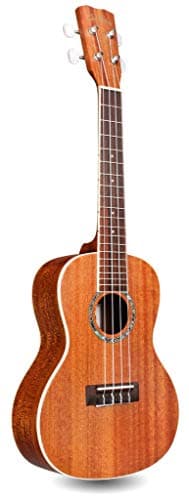
The Cordoba 15CM#ad is where we would start almost anyone. A concert body puts the scale length around 14.75 inches, which opens the frets up noticeably compared with a soprano while keeping the instrument small and light. Mahogany top, back and sides, a rosewood fingerboard, and a nut width around 1.375 inches.
The practical case for concert size is that it is the size nobody regrets. Soprano players often wish for more room; tenor players occasionally wish for less instrument. The honest cost is that it is not the cheapest option, and the satin finish marks more easily than gloss.
The Kala KA-15T#ad is the pick when the hands want more space. A 17 inch scale spreads the frets further than any size here except baritone, and the nut is a shade wider at about 1.39 inches, which gives the fingers a little more room side to side as well. Mahogany body, walnut fingerboard, GraphTech NuBone nut and saddle — a real material that a technician can cut down cleanly if the action is high.
The trade is size and volume of sound. A tenor is a bigger object to hold, at just over 26 inches overall, and it has a deeper, less chirpy voice than the ukulele sound people usually have in their heads.
The Kala KA-B Baritone Ukulele#ad is the specialist answer, and for one specific person it is the best instrument on this page. A baritone is tuned D-G-B-E, which is exactly the top four strings of a guitar. Anyone who played guitar decades ago can pick it up and already know where the chords are, with no relearning at all.
It also has the longest scale at just over 20 inches and the widest nut at 1.5 inches, so it is the roomiest instrument here by a clear margin. What you give up is the ukulele sound itself — a baritone is closer to a small nylon-string guitar, which is either the point or a disappointment depending on what you wanted.
The Kala KA-15S#ad is the classic soprano, and we have kept it on the page for the person whose priority is a light instrument and the traditional sound. Mahogany body, NuBone nut and saddle, 13.625 inch scale, and it weighs almost nothing.
The honest caveat is the one this whole page is about: at 13.625 inches the frets are close together, and if grip strength or finger joints are the constraint, this is the size most likely to feel fiddly. Try the fret-space test below before choosing it.
The ten-second fit test
If you can get your hands on any ukulele, or even a ruler, this settles the size question faster than any amount of reading.
Put your index, middle and ring fingertips side by side on a table. Measure across all three. Then look at the space between the frets near the middle of the neck — the fifth to seventh frets is where most beginner chords live. If your three fingertips are clearly wider than that gap, you will be fighting the instrument on a soprano, and a concert or tenor will feel dramatically easier.
This is the same reasoning we apply to guitars in guitars for small hands, run in the opposite direction: there the problem is reach on a large instrument, here it is crowding on a small one.
What to change first, whatever you buy
Have the action checked. The cheapest comfort upgrade available. The nut slots on inexpensive ukuleles are often cut high, which makes the first three frets harder than they should be. A technician can lower them in minutes, and a NuBone or bone nut — which three of these four have — files cleanly.
Keep the original strings for a while. All four picks ship with decent synthetic strings, and new strings of any kind take several days to stop stretching. Change them when they go dull, not on day one. The string question in full is in how to change ukulele strings.
Add a strap, sooner than you think. A strap takes the whole job of holding the instrument away from the fretting arm, which is the thing that tires first in a long session. It is a small purchase with a large effect, and it is in ukulele accessories you actually need.
Get a clip-on tuner. Tuning by ear is a skill that takes months; a clip-on tuner takes twenty seconds and removes the most common reason a beginner thinks they are playing badly.
If the ukulele is not the answer
Two honest alternatives. A keyboard asks nothing of the fingertips at all — no pressing strings against frets, no calluses, and the sound is correct from the first note; the options are in best keyboards for seniors. And if the appeal was singing along rather than the instrument itself, a baritone ukulele or a small-bodied nylon-string guitar both do that job with less finger pressure than a steel-string.
The cross-instrument version of this decision, including the instruments we rule out for older beginners and why, is in best instruments for seniors.
Quick picks
The default: concert size
Roomier frets than a soprano without the longer reach of a tenor, and light enough to hold for an hour. This is where most older beginners should start.
| # | Product | Best for | Score | Price |
|---|---|---|---|---|
| 1 | Cordoba 15CMA 375 mm concert scale with 18 frets and a 35 mm nut. | Adult hands, concert sizeEnough | 9.0 | $129.99 · View on Amazon #ad How we’re funded |
If the fingers want more room
A 17 inch scale spreads the frets further apart than any standard ukulele except a baritone. The most forgiving size for stiff or larger fingers.
| # | Product | Best for | Score | Price |
|---|---|---|---|---|
| 1 | 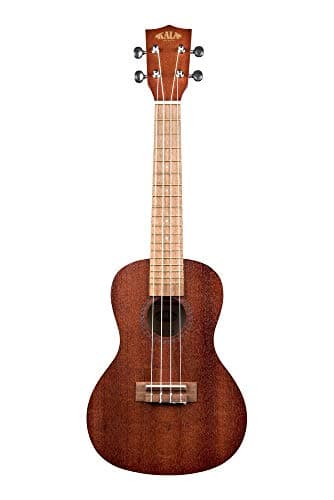 Kala KA-15TA 17 inch tenor scale with 18 frets, a NuBone nut and saddle and Aquila strings fitted. | Tenor, adult handsEnough | 9.0 | $109.00 · View on Amazon #ad How we’re funded |
If you used to play guitar
Baritone is tuned to the top four strings of a guitar, so decades of guitar shapes transfer immediately and nothing has to be relearned.
| # | Product | Best for | Score | Price |
|---|---|---|---|---|
| 1 | No image Kala KA-B Baritone UkuleleTuned DGBE — the top four strings of a guitar — on a 20 inch scale. | Guitarists, and anyone with big handsEnough | 8.6 | Check price on Amazon → #ad How we’re funded |
If light weight matters most
The smallest and lightest of the four, and the classic ukulele sound. Only if the hands are comfortable with tight fret spacing.
| # | Product | Best for | Score | Price |
|---|---|---|---|---|
| 1 | 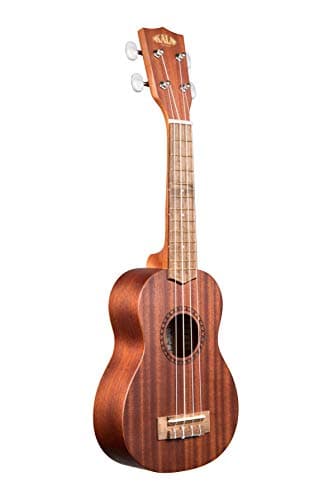 Kala KA-15SMahogany throughout, a GraphTech NuBone nut and saddle, and Aquila strings fitted from the factory. | The honest floor, sopranoThe honest floor | 8.7 | $69.00 · View on Amazon #ad How we’re funded |
The picks in full
Cordoba 15CM
CordobaBest for: Adult hands, concert size
A 375 mm concert scale with 18 frets and a 35 mm nut. The extra inch and a bit of scale over a soprano is the difference between cramped and comfortable for most adults.
Published specifications
- Size:
- Concert
- Top / back / sides:
- Mahogany
- Fingerboard:
- Rosewood
- Scale length:
- 375 mm (14-3/4")
- Frets:
- 18
- Nut width:
- 35 mm (1-3/8")
- Body / overall:
- 280 mm body, 610 mm (24") overall
- Strings / finish:
- Aquila, satin finish, abalone rosette
What it gets right
- 18 frets against a soprano's 12 — a whole extra register that a soprano simply does not have
- The 375 mm scale gives noticeably more room between frets without becoming a tenor-sized instrument
- Aquila strings and an abalone rosette; it looks considerably more expensive than it is
Where it gives ground
- Identical 35 mm nut width to the Kala soprano — the extra room is between the frets, not across the neck
- 24 inches overall is a lot of instrument for a small child
What it is not good at
Sounding like a ukulele in the postcard sense. The concert body is fuller and rounder; the bright, plinky voice people picture is the soprano's.
How the specs score against a beginner’s needs
Scores are our reading of the published specifications above against what a beginner physically needs. They are not test results — we have not played this instrument.
Specifications from Cordoba Guitars — 15CM.
Kala KA-15T
Kala Brand MusicBest for: Tenor, adult hands
A 17 inch tenor scale with 18 frets, a NuBone nut and saddle and Aquila strings fitted. The most room between frets of any standard-tuned ukulele.
Published specifications
- Size:
- Tenor
- Scale length:
- 17"
- Overall length:
- 26.125"
- Body length:
- 11.75"
- Frets:
- 18, brass
- Top / back / sides:
- Mahogany
- Neck / fingerboard:
- Mahogany neck, walnut fingerboard and bridge
- Nut and saddle:
- GraphTech NuBone
- Nut width:
- 1.39"
- Body depth:
- 3.12"
- Strings:
- Aquila Super Nylgut
What it gets right
- 17 inches of scale is the most fret spacing available in standard GCEA tuning, which is exactly what adult fingers want
- 1.39 inch nut is marginally wider than the soprano and concert in the same line, so strings are less crowded across the neck too
- Same NuBone nut and factory Aquilas as the rest of the KA-15 series
Where it gives ground
- 26 inches overall is a large instrument, and it loses the pocket-sized charm people buy ukuleles for
- The bigger body is fuller and warmer, which means less of the bright plink that says 'ukulele'
What it is not good at
Children, and anyone who wants the classic sound. If the appeal is the small bright instrument, size down to a soprano — the tenor is a different experience.
How the specs score against a beginner’s needs
Scores are our reading of the published specifications above against what a beginner physically needs. They are not test results — we have not played this instrument.
Specifications from Kala Brand Music — KA-15T tenor specifications.
Kala KA-15S
Kala Brand MusicBest for: The honest floor, soprano
Mahogany throughout, a GraphTech NuBone nut and saddle, and Aquila strings fitted from the factory. The nut material is the spec that separates this from the pile of look-alikes.
Published specifications
- Size:
- Soprano
- Top / back / sides:
- Mahogany
- Neck / fretboard:
- Mahogany neck, rosewood fretboard
- Nut and saddle:
- GraphTech NuBone
- Scale length:
- 13.625"
- Frets:
- 12
- Nut width:
- 1.375"
- Overall length:
- 21.062"
- Strings:
- Aquila Super Nylgut
What it gets right
- NuBone nut and saddle rather than molded plastic — this is what decides whether the instrument plays in tune up the neck
- Aquila strings fitted at the factory, so the first thing you would otherwise replace is already done
- 21 inches overall and light enough for a small child to hold unsupported
Where it gives ground
- 12 frets only, and the body joint stops you well short of the high notes
- Soprano scale means less room between frets — adult fingers with wide fingertips will find it cramped
What it is not good at
Adult hands, sometimes. A 13.625 inch scale is genuinely tight. If the player is a grown-up with large hands, read our soprano-versus-concert comparison before buying this size.
How the specs score against a beginner’s needs
Scores are our reading of the published specifications above against what a beginner physically needs. They are not test results — we have not played this instrument.
Specifications from Kala Brand Music — KA-15S specifications.
Kala KA-B Baritone Ukulele
Kala Brand MusicBest for: Guitarists, and anyone with big hands
Tuned DGBE — the top four strings of a guitar — on a 20 inch scale. That makes it the one ukulele size a guitarist can pick up and play immediately, with no chord shapes to relearn.
Published specifications
- Scale length:
- 20.0625"
- Tuning:
- D-G-B-E with low D
- Top, back and sides:
- Mahogany
- Neck:
- Mahogany
- Frets:
- 18
- Nut width:
- 1.5"
- Overall length:
- 30.25"
- Strings:
- Aquila Super Nylgut
What it gets right
- DGBE tuning matches a guitar's top four strings exactly, so every guitar chord shape transfers with no transposition
- A 1.5 inch nut and 20 inch scale give more room than any other ukulele size
- Deeper, warmer voice than a soprano or concert — closer to a small nylon guitar
- Ships with Aquila Super Nylgut, so the usual first upgrade is already done
Where it gives ground
- Ukulele chord charts do NOT apply — a soprano C shape gives you a different chord here
- Loses the bright, jangly re-entrant character most people buy a ukulele for
- Largest and least portable of the four standard sizes
- Needs baritone-specific strings, not a standard GCEA set
What it is not good at
Being someone's first ukulele if they want the ukulele sound. It is closer to a small guitar than to a soprano, and a beginner following ukulele tutorials will be playing different chords to the ones on screen.
How the specs score against a beginner’s needs
Scores are our reading of the published specifications above against what a beginner physically needs. They are not test results — we have not played this instrument.
Specifications from Kala Brand Music — KA-B Satin Mahogany Baritone specifications, West Music — Kala KA-B published dimensions.
Questions people actually ask
What size ukulele is best for seniors?
Concert for most people, tenor if the fingers want more room between frets. Soprano is the traditional size and it has the tightest fret spacing, which is the thing most likely to make an older hand give up on an instrument that is otherwise ideal.
Is the ukulele easier on the hands than the guitar?
Considerably. Four nylon strings under low tension take far less fingertip pressure than six steel strings, chord shapes use fewer fingers, and the whole instrument weighs a fraction of a guitar. It is the reason it comes up so often for older beginners.
Does a ukulele need a setup?
It benefits from one, and at this price it usually has not had a proper one. Getting the action lowered at the nut by a shop is inexpensive and is the difference between comfortable and hard work, whatever the size.
Will a ukulele hurt arthritic fingers?
We are not in a position to give medical advice, and comfort varies enormously from person to person. What we can say about the instrument itself: nylon strings at low tension need less force than steel, larger sizes spread the frets further apart, and a lower action reduces how hard you have to press. Anyone with a hand condition should ask their own clinician first.
Is baritone ukulele a good idea for a former guitar player?
Often the best idea on this page. It is tuned D-G-B-E, the same as a guitar’s top four strings, so every chord shape you already know still works. The trade is that it does not sound like the classic ukulele most people picture.
Sources
Still deciding?
Every recommendation on this site is built the same way, and the method is published in full — including what we do not do and what would get a pick dropped.
Read next
- Best instruments to start later in life
Four instruments chosen for hand comfort and low physical demand, plus honest notes on the ones that ask more.
- Best ukuleles for adult beginners
Why the default soprano fights adult hands, which size to buy instead, and the three ukuleles we would put in front of a grown beginner.
- Soprano vs concert vs tenor ukulele
Real scale lengths and fret counts across all four sizes, with the hand-size rule and buy paths for the two that matter.
- Ukulele accessories you actually need
The three items that genuinely matter, the best cheap upgrade, and what a bundle is really padding with.
- Learning an instrument as an adult
What genuinely changes for an adult starter, which instruments suit it, and the three mistakes that end most attempts.