Ukuleles
Best ukulele cases and gig bags
Four body sizes, four different cases, and a listing that just says ukulele is telling you nothing. Measure before you buy.
By Sawyer V. · Published · Last updated
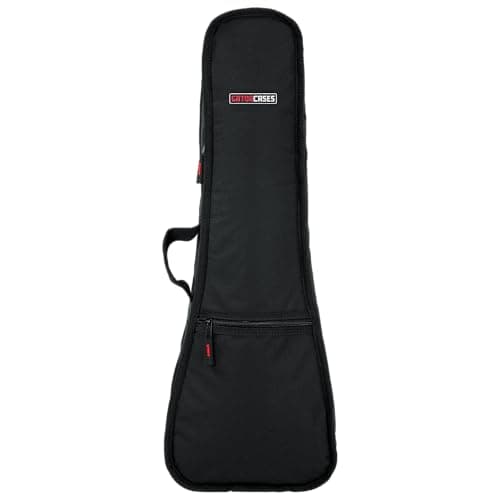
Ukulele cases are the one accessory where the sizing mistake is almost guaranteed if you do not know to watch for it. Guitars come in a few sizes and a dreadnought bag is labeled as such. Ukuleles come in four distinct body sizes that are each a different instrument, and the listings routinely say only “ukulele case”.
Every pick below states its Starter Path band, and we have not handled any of them — the method is on how we pick. Padding thicknesses and interior dimensions come from published spec sheets, cited at the bottom.
Buy for the body size, not for “ukulele”: soprano, concert, tenor and baritone need four different cases. For a laminate beginner instrument going to a weekly lesson, a 10 mm padded gig bag with backpack straps like the Gator GBE-UKE series is the whole requirement. Step up to a 25 mm bag with a neck block if it travels constantly, and to a hard shell only if something heavy might land on it.
The four sizes, and the numbers to check
Ukulele sizing is a scale-length and body-size family, and our page on soprano against concert against tenor covers what each one does musically. For a case, only the physical dimensions matter:
Soprano is roughly 21 inches overall. Concert is roughly 23 to 24. Tenor is roughly 26 to 27. And baritone is roughly 30 to 31, which is close enough to a small guitar that baritone cases are sometimes sold alongside guitalele bags.
Those are approximations, and approximations are exactly what causes the problem. The number that actually decides fit is the lower bout width — the widest point of the body — and the good news is that the serious case makers publish it. Gator publishes 8.8 inches for the lower bout on its concert gig bag and 8.3 inches on its concert hard case. Measure your instrument’s widest point with a tape and compare, and the whole problem goes away.
A manufacturer who publishes no interior dimensions is asking you to guess. That is the quickest way to filter a page of search results.
What actually damages a ukulele
Worth knowing, because it determines how much protection is worth paying for. Ukuleles are not usually destroyed in dramatic ways. They are damaged in three boring ones.
Falling over. A ukulele leaned against a wall or a sofa slides and falls, and it lands on the headstock or the edge of the body. This is the commonest damage by a wide margin, and 10 mm of foam prevents almost all of it.
Moving inside the bag. An instrument that is loose in its case travels. Every bump accelerates it into the end of the bag, and the end it hits is the headstock. This is why the Pro Tec’s adjustable neck block is a real feature and not marketing — it stops the movement rather than cushioning it.
Being crushed. Something heavy goes on top, usually in a car boot. Foam does not resist weight — it compresses. This is the one damage mode where a hard shell is genuinely the only answer.
Note what is not on that list: impact from being dropped from height, which is rare, and weather, which a case does not solve anyway.
The picks, and when each is the right amount
The Gator GBE-UKE-CON#ad is the default. Gator publishes a 10 mm dense foam core in a 600-denier water-resistant nylon shell, interior body dimensions of 12.0 by 2.9 inches with a 25.3 inch overall length, bout widths of 8.8 / 7.5 / 5.0 inches, and a total weight of one pound. It has an accessory pocket and built-in backpack straps, which is the feature that gets a child to carry their own instrument.
The Pro Tec CF218 Gold Series#ad is the step up, and the step is real: 25 mm of padding against the Gator’s 10 mm, plus an adjustable neck support block, reinforced headstock and lid protection, a soft nylex lining, molded rubber feet so the base does not soak on wet ground, and a pocket big enough for a method book. It weighs 2.6 lb, which a small child will notice.
The Gator GWE-UKE-CON#ad is the hard case: heavy-duty plywood wrapped in Tolex PVC, a form-fitting plush-lined interior, chrome lockable latches, and a storage compartment that doubles as support for the neck and headstock. It is 3.93 lb, nearly four times the gig bag, and it has no backpack straps. It is the right purchase for a solid-wood tenor that flies, and the wrong one for a laminate soprano bought to find out whether a child likes it.
What we did not list, and why
Unbranded padded bags at under twenty dollars are widely sold and many are perfectly adequate. They are not listed for the reason this whole page turns on: almost none of them publish an interior dimension or a padding thickness, which means you cannot check fit before buying and cannot compare protection at all.
Molded ABS and fibreglass cases are genuinely better than plywood for weight, and several are available at similar money. They are left off because at the time of writing the models we could verify were all showing low stock, and because the hard-case tier is already the overspend band on this page — adding a second entry would suggest a beginner should be choosing between them.
The bags that come free with a ukulele deserve a mention rather than a listing. The thin nylon sleeve bundled with most beginner ukuleles is a dust cover. It has essentially no padding, and it is the reason most people end up on a page like this one.
Case humidifiers are a separate purchase and a real one for solid-wood instruments, but they are a humidity product rather than a case, and ukulele care and humidity covers them properly.
Buy the case second, if at all
One honest caveat on a page about cases. For an instrument that lives at home, a case is often the wrong purchase, because an instrument in a bag is an instrument that does not get picked up. A stand or a wall hook in the room where the player actually sits does more for whether they keep going than any amount of foam.
The case becomes necessary when the instrument starts traveling — lessons, a group, a holiday. At that point buy for the body size, check the published bout width, and spend a sensible fraction of what the ukulele cost.
Our page on ukulele accessories you actually need puts the case in order against everything else competing for the same money, and guitar cases and gig bags is the sibling page if there is a guitar in the house too.
Quick picks
The one to buy for a weekly lesson
10 mm foam in a 600-denier nylon shell, backpack straps, one pound. For a laminate ukulele going to a lesson and back, this is the whole requirement and spending more is spending on nothing.
| # | Product | Best for | Score | Price |
|---|---|---|---|---|
| 1 | Gator GBE-UKE-CON Concert Ukulele Gig Bag10 mm foam core inside a 600-denier nylon shell, with backpack straps and an accessory pocket, at one pound. | The honest floor for a ukulele caseThe honest floor | 7.4 | $29.99 · View on Amazon #ad How we’re funded |
If it travels every week
25 mm of padding, an adjustable neck block and reinforced headstock protection. The neck block is the real feature: an instrument that cannot shift inside the bag cannot have its headstock snapped.
| # | Product | Best for | Score | Price |
|---|---|---|---|---|
| 1 | 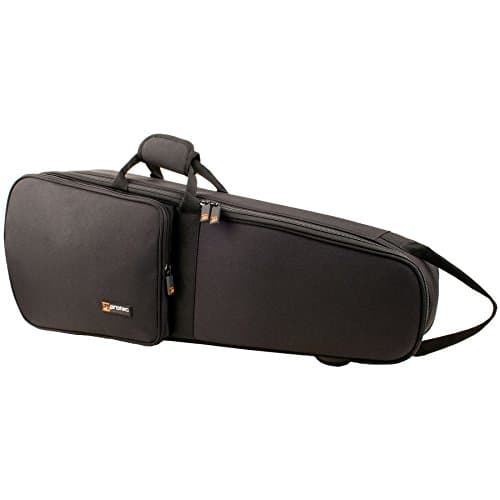 Pro Tec CF218 Gold Series Tenor Ukulele Gig Bag25 mm of padding - two and a half times the Gator - with an adjustable neck block, reinforced headstock protection and a nylex lining, in a 600-denier shell. | Buy-once, if it travels weeklyEnough | 8.0 | $57.00 · View on Amazon #ad How we’re funded |
Where overspending starts
Plywood wrapped in Tolex with a plush form-fitting interior and lockable latches. The only option here that resists weight rather than absorbing impact, and it costs more than plenty of beginner ukuleles.
| # | Product | Best for | Score | Price |
|---|---|---|---|---|
| 1 | 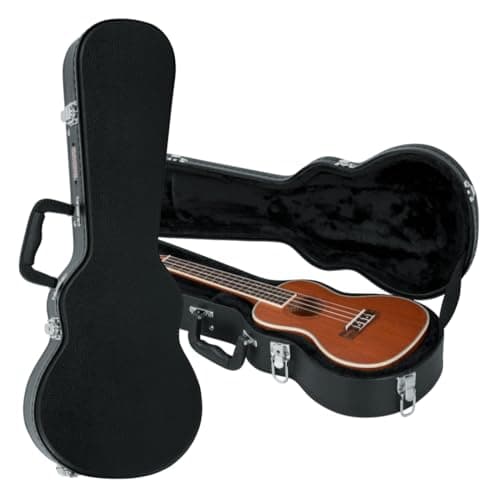 Gator GWE-UKE-CON Hard-Shell Wood Ukulele CaseHeavy-duty plywood wrapped in Tolex, with a plush-lined form-fitting interior, chrome lockable latches and an accessory compartment that also supports the neck. | Where overspending startsWhere overspending starts | 7.6 | $89.99 · View on Amazon #ad How we’re funded |
The picks in full
Gator GBE-UKE-CON Concert Ukulele Gig Bag
GatorBest for: The honest floor for a ukulele case
10 mm foam core inside a 600-denier nylon shell, with backpack straps and an accessory pocket, at one pound. For a ukulele that cost under a hundred dollars and travels to a weekly lesson, this is the entire requirement.
Published specifications
- Size:
- Concert
- Padding:
- 10 mm dense foam core
- Exterior:
- 600-denier nylon, water resistant
- Interior body dimensions:
- 12.0 x 2.9" (30.5 x 7.3 cm), overall length 25.3" (64.1 cm)
- Bout widths:
- Lower 8.8", middle 7.5", upper 5.0"
- Exterior dimensions:
- 26.0 x 9.0 x 2.5" (66.0 x 22.9 x 6.4 cm)
- Weight:
- 1.0 lb (0.5 kg)
- Carry:
- Nylon handle plus built-in backpack straps
- Storage:
- Exterior accessory pocket
What it gets right
- Gator publishes interior bout widths, which is the only way to check a case actually fits before buying
- Backpack straps on a one-pound bag, which is what gets a child to carry their own instrument
- 10 mm of foam is enough to survive being leaned against a wall and knocked over - the way most beginner ukuleles get damaged
- Costs a fraction of the instrument, which is the correct proportion for a first case
Where it gives ground
- A gig bag will not survive the instrument being sat on, dropped from height, or checked as luggage
- No humidity control of any kind, which matters for a solid-top ukulele
- The single accessory pocket is small - a tuner and spare strings, not a music book
- Concert sizing only; a soprano rattles inside it and a tenor will not go in
What it is not good at
Protecting against crushing. Foam absorbs knocks; it does not resist weight. Anything that involves a car boot with luggage on top needs a hard case.
How the specs score against a beginner’s needs
Scores are our reading of the published specifications above against what a beginner physically needs. They are not test results — we have not played this instrument.
Specifications from Gator Cases published specifications for the GBE-UKE-CON concert ukulele gig bag (10 mm foam core, 600-denier nylon, interior and exterior dimensions, bout widths, weight, backpack straps).
Pro Tec CF218 Gold Series Tenor Ukulele Gig Bag
Pro TecBest for: Buy-once, if it travels weekly
25 mm of padding - two and a half times the Gator - with an adjustable neck block, reinforced headstock protection and a nylex lining, in a 600-denier shell. The neck block is the detail that matters: a ukulele that cannot shift inside the bag cannot have its headstock snapped.
Published specifications
- Size:
- Tenor
- Padding:
- 25 mm
- Exterior:
- 600-denier nylon with custom-molded zippers and molded rubber feet
- Interior:
- Soft non-abrasive nylex lining, adjustable neck support block, reinforced headstock and lid protection
- Exterior dimensions:
- 31 x 11.75 x 5.5"
- Pocket:
- 16 x 1.5 x 9 to 11.25", with two interior sleeves
- Weight:
- 2.6 lb (1.17 kg)
- Carry:
- Padded handle wrap, tuckaway padded backpack straps, subway handle
What it gets right
- The adjustable neck block stops the instrument sliding, which is how headstocks break inside bags that technically fit
- Reinforced headstock and lid protection, addressing the two places a ukulele actually gets damaged
- Rubber feet, so setting the bag down on wet ground does not soak the base
- A pocket big enough for a method book rather than only a tuner
Where it gives ground
- Nearly double the Gator and heavier at 2.6 lb, which a small child will notice
- Still a soft bag: 25 mm of foam is not a hard shell
- Costs a meaningful fraction of an entry-level ukulele
- Tenor sizing; the matching soprano and concert versions are different model numbers
What it is not good at
A first ukulele that stays in one room. If the instrument lives on a stand in a bedroom and goes out twice a year, the extra padding is money that would be better spent on a tuner and a method book.
How the specs score against a beginner’s needs
Scores are our reading of the published specifications above against what a beginner physically needs. They are not test results — we have not played this instrument.
Gator GWE-UKE-CON Hard-Shell Wood Ukulele Case
GatorBest for: Where overspending starts
Heavy-duty plywood wrapped in Tolex, with a plush-lined form-fitting interior, chrome lockable latches and an accessory compartment that also supports the neck. It weighs 3.93 lb, costs more than some beginner ukuleles, and it is the only thing here that survives being sat on.
Published specifications
- Size:
- Concert
- Construction:
- Heavy-duty plywood wrapped in Tolex PVC, moisture resistant
- Interior:
- Form-fitting with plush lining; storage compartment that also supports neck and headstock
- Latches:
- Chrome plated and lockable
- Interior dimensions:
- Body length 13", body height 3.9", lower bout 8.3", middle bout 5.3", upper bout 5.5", overall length 25.2"
- Exterior dimensions:
- 27.2" long x 10.4" wide x 4.6" high
- Weight:
- 3.93 lb
What it gets right
- Rigid shell: this is the only option here that resists weight rather than only absorbing impact
- Lockable latches, which matter if the instrument is ever left anywhere
- The neck-supporting storage block means the instrument does not rest on its headstock in transit
- Published interior bout measurements, so fit can be checked against a specific ukulele before buying
Where it gives ground
- Four times the weight of the Gator gig bag, and no backpack straps
- Costs more than a good number of beginner ukuleles, which inverts the usual sensible ratio
- Tolex-wrapped plywood is moisture resistant, not a humidity-controlled environment
- Rigid cases do not forgive a sizing mistake the way a padded bag does
What it is not good at
A first ukulele. Spending more on the case than the instrument is defensible for a solid-wood tenor that travels; it is not defensible for a laminate soprano bought to find out whether the child likes it.
How the specs score against a beginner’s needs
Scores are our reading of the published specifications above against what a beginner physically needs. They are not test results — we have not played this instrument.
Questions people actually ask
What size ukulele case do I need?
Match the case to the body size, which is the word in the instrument’s name: soprano, concert, tenor or baritone. Those are roughly 21, 23, 26 and 30 inches in total length, and a case built for one will not hold another safely. A soprano in a tenor bag slides around and lands on its headstock; a tenor will not go into a soprano bag at all.
Gig bag or hard case for a ukulele?
A padded gig bag for almost everybody. Ukuleles are light, cheap and mostly damaged by being knocked over or leaned on, which 10 mm of foam handles. A hard case earns its place in two situations: a solid-wood instrument worth protecting, or travel where something heavy might end up on top of it.
How much should I spend on a ukulele case?
As a rule, well under a third of what the instrument cost. A hard-shell wood case#ad costs more than a good many complete beginner ukuleles, which inverts the sensible ratio. If the ukulele was a hundred dollars, a thirty-dollar padded bag is the correct answer and it is not a compromise.
Does my ukulele need a case at all?
If it never leaves the house, a stand is better than a case — an instrument in a bag in a cupboard is an instrument nobody plays, and the single strongest predictor of a beginner continuing is the instrument being visible and within reach. Buy a case when it starts traveling, which for most people is when lessons start.
Will a case protect against humidity?
Not meaningfully. None of these cases are sealed and none of them control humidity; Gator’s wood case is described as moisture resistant, which is a different claim. A case slows down the rate of change, which does help when bringing a cold instrument indoors. For actual humidity control on a solid-wood ukulele you need a case humidifier, and our page on ukulele care and humidity covers it.
Can I use a small guitar bag for a ukulele?
It will fit, in the sense that a smaller object fits inside a larger one, and that is the problem. A ukulele loose in a guitar bag moves freely in transit, and the part it lands on is the headstock, which is the part that breaks. If a guitar bag is what you have, pack the empty space.
Sources
- Gator Cases published specifications for the GBE-UKE-CON concert ukulele gig bag (10 mm foam core, 600-denier nylon, interior and exterior dimensions, bout widths, 1.0 lb)
- Tapestry Music — Pro Tec CF218 tenor ukulele gig bag, Gold Series: 25 mm padding, 600D nylon, nylex lining, adjustable neck block, reinforced headstock and lid protection, dimensions and weight
- Gator Cases published specifications for the GWE-UKE-CON hard-shell wood concert ukulele case (plywood with Tolex PVC, plush form-fitting interior, chrome lockable latches, interior and exterior dimensions, 3.93 lb)
Still deciding?
Every recommendation on this site is built the same way, and the method is published in full — including what we do not do and what would get a pick dropped.
Read next
- Soprano vs concert vs tenor ukulele
Real scale lengths and fret counts across all four sizes, with the hand-size rule and buy paths for the two that matter.
- Ukulele accessories you actually need
The three items that genuinely matter, the best cheap upgrade, and what a bundle is really padding with.
- How to look after a ukulele
The 40 to 60 per cent rule, the early warning signs of a dry instrument, and what genuinely needs cleaning versus what does not.
- Best travel ukuleles
Composite versus wood for a knockabout ukulele, what actually breaks in a backpack, and the two picks worth taking anywhere.
- Best beginner ukuleles: what's worth it from $60 to $120
Segmented by hand size rather than price, with the nut-material spec that separates a real ukulele from a decoration.
- Best guitar cases and gig bags for beginners
Padding depth in millimeters, interior dimensions that tell you whether your guitar fits, and five cases across acoustic, electric and hard-case duty.