Ukuleles
Ukulele accessories you actually need
A ukulele is the cheapest instrument here to complete, which is why bundles pad the box. Three things matter and the rest can wait.
By Sawyer V. · Published · Last updated
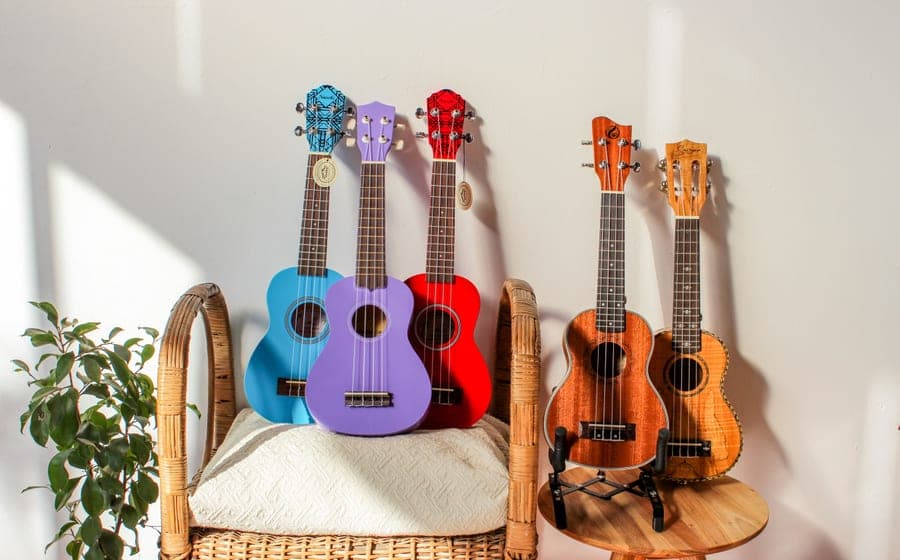
Ukulele listings look generous. The photo shows the instrument surrounded by a bag, a strap, a tuner, a capo, spare strings, felt picks and a cloth, and it reads as a lot of value. Most of it is padding around a price.
Here is the honest list, in the order the items matter.
1. A clip-on tuner — genuinely essential
The only item on this page with no substitute. Nylon strings stretch far more than steel, so a new ukulele needs retuning several times a day for its first week and a check every single session after that.
A clip-on chromatic tuner#ad reads the pitch from the vibration of the headstock rather than through a microphone, which means it works in a room with a television on and ignores other people talking. A phone app cannot do that reliably.
The underrated benefit: an adult who plays nothing at all can tune the instrument in twenty seconds with one. That is what makes it get tuned regularly, which for a child’s instrument is the difference between it sounding like music and sounding wrong. The method is in how to tune a ukulele.
2. A stand — the highest-leverage cheap purchase
Not obviously an accessory, and it changes practice hours more than anything else on the list.
An instrument on a stand in the corner of the living room gets picked up on the way past, several times a day, for two minutes at a time. Those two minutes are what practice actually looks like for most people. A ukulele in a bag under a bed gets played on lesson day.
Any small guitar or ukulele stand works. This is the item we would buy before a strap, before a case, and before better strings.
3. Good strings — if it did not come with them
The best cheap upgrade in the whole category. Aquila Super Nylgut#ad is the set most good ukuleles ship with from the factory, and fitting it to one that did not transforms the instrument — louder, brighter, far more sustain, and it settles into pitch faster.
Two things to know. Sets are size-specific: a soprano set will not reach on a tenor, and a tenor set on a soprano will be slack. And strings fix a dull sound, not intonation — if chords sound sour above the fifth fret, that is the bridge geometry and no string change helps.
Check what your instrument came with before buying. Both wooden picks in our roundup ship with Aquilas already, which is a real saving.
What can wait
A strap. Needed for a child, for standing players, and for nobody else. Check for strap buttons first — many ukuleles have none, and a strap that needs them is useless without a fitting.
A capo. Genuinely useful, and not for several months. It lets you play a song in a different key without learning new shapes, which is a problem a beginner does not have yet.
A hard case. Only if the instrument travels seriously. The thin gig bag that comes with most ukuleles handles a weekly trip to a lesson.
Felt picks. The ukulele is built to be played with fingers. If you want a pick, felt is much kinder to nylon strings than plastic — but most players never use one at all.
What to skip entirely
Polishing cloths and cleaning kits. A dry cloth from the kitchen drawer does the same job.
Plastic guitar picks. Harsh against nylon and they wear the strings.
Chord-shape stickers for the fretboard. They teach the eye instead of the hand, they leave residue, and the shapes are learned in a fortnight anyway.
Bundles under about $30 in total. Add up the accessories you would genuinely buy from this page and it is a modest number. If a whole bundle costs less than those parts, the instrument inside it cost almost nothing — the reasoning is in what comes with a ukulele.
What we would buy
Snark clip-on chromatic tuner
SnarkBest for: Tuning anything with strings
Clips to the headstock and reads pitch from the vibration of the wood, so it works in a noisy room and an adult who plays nothing can tune the instrument in twenty seconds.
Published specifications
- Type:
- Clip-on chromatic
- Sensing:
- Vibration through the headstock, not the microphone
- Fits:
- Guitar, bass, ukulele, violin, mandolin
- Display:
- Full-color rotating screen
What it gets right
- Vibration sensing means it works in a room with a television on, which a microphone tuner does not
- Chromatic, so one tuner covers every instrument in the house
- The rotating display means it reads correctly whichever way the instrument is held
Where it gives ground
- The clip is plastic and it is the part that eventually breaks
- Battery-powered, and it will be flat the one time you need it in a hurry
What it is not good at
Wind and brass instruments. It reads vibration through a solid body, so there is nothing for it to clip to on a flute or a trumpet.
How the specs score against a beginner’s needs
Scores are our reading of the published specifications above against what a beginner physically needs. They are not test results — we have not played this instrument.
Specifications from Snark tuners (retail listing with published feature set).
Aquila Super Nylgut ukulele strings
AquilaBest for: The cheapest real upgrade
The string set most good ukuleles ship with from the factory, and the single most transformative thing you can do to an inexpensive one that did not.
Published specifications
- Material:
- Super Nylgut synthetic
- Tuning:
- Standard GCEA
- Fits:
- Soprano, concert or tenor — buy the set for your size
What it gets right
- Louder and brighter than the generic nylon fitted to cheap ukuleles, with far more sustain
- They settle and hold pitch faster than plain nylon, which shortens the miserable first week of constant retuning
- Cheap enough that it is the obvious first upgrade on any instrument that did not come with them
Where it gives ground
- Sets are size-specific, and a soprano set on a tenor will not reach
- New strings of any kind stretch for a few days before they settle
What it is not good at
Fixing a bad instrument. New strings cure a dull sound; they do nothing for intonation error, which is built into the bridge position and cannot be strung out.
How the specs score against a beginner’s needs
Scores are our reading of the published specifications above against what a beginner physically needs. They are not test results — we have not played this instrument.
Specifications from Kala Brand Music — KA-15S, fitted with Aquila Super Nylgut from the factory.
Questions people actually ask
What accessories do I need for a ukulele?
A clip-on tuner, a stand, and a decent set of strings if the instrument did not ship with them. That is genuinely the whole essential list — the ukulele is the cheapest instrument on this site to complete.
Do I need a strap for a ukulele?
Not for an adult sitting down. For a child, or anyone playing standing, yes — a soprano body is small and slippery and holding it securely takes effort that should be going into playing. Check whether your instrument has strap buttons before buying a strap that needs them.
Are ukulele picks necessary?
No. The ukulele is designed to be played with fingers, and nylon strings against a hard plastic guitar pick sounds harsh and wears the strings. If you want one, felt picks exist and are much gentler — but most players never use one.
Should I buy a hard case?
Only if the instrument travels seriously. The thin gig bag included with most ukuleles is fine for carrying to a lesson. A hard case matters if it goes in a car boot or on a plane.
Sources
Still deciding?
Every recommendation on this site is built the same way, and the method is published in full — including what we do not do and what would get a pick dropped.
Read next
- Best gifts for ukulele players
Soprano, concert, tenor and baritone need different cases and different strings. What is safe without knowing the size, what needs one question answered, and four picks.
- Best ukulele cases and gig bags
Soprano, concert, tenor and baritone need four different cases, and the published interior bout widths are the only way to check. Three cases from gig bag to hard shell, and when each is worth it.
- What comes with a ukulele, and what you still need
What is really in the box, what the bundle accessories are worth, and the three things you genuinely need.
- How to tune a ukulele
GCEA explained, using a clip-on tuner, why new strings drift for a week, and when tuning is not the problem.
- Best beginner ukuleles: what's worth it from $60 to $120
Segmented by hand size rather than price, with the nut-material spec that separates a real ukulele from a decoration.
- How much should a beginner ukulele cost?
Four bands from $30 to $200, defined by nut material and tuner type rather than by brand, with the accessory list included.
- Best tenor ukuleles
Who a 17-inch tenor scale is genuinely for, what it trades away in tone, and the pick worth buying.