Ukuleles
Best ukulele brands for beginners
Brand buys you consistency between units, not a guarantee that any particular model is good. Here is what each of the beginner names is genuinely known for.
By Sawyer V. · Published · Last updated
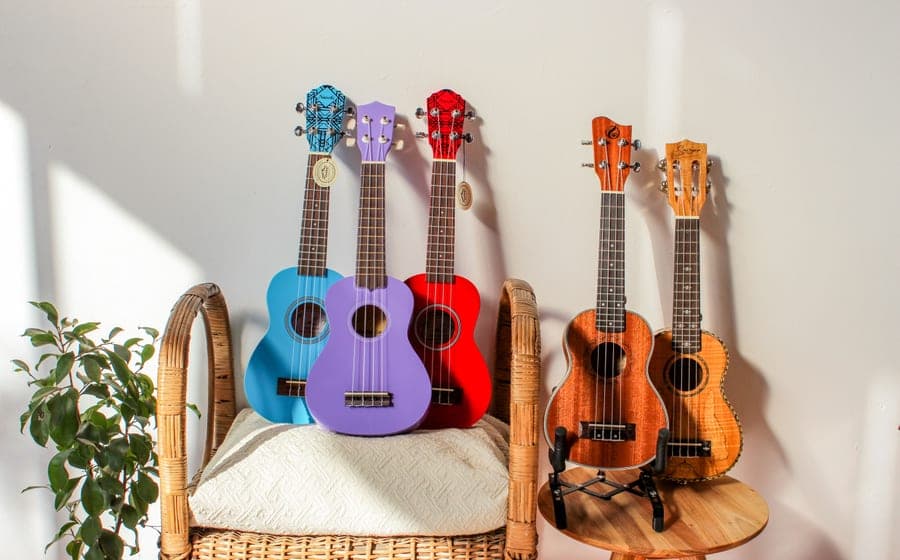
Brand is the shortcut most first-time buyers reach for, and it is a reasonable one as long as you know what it actually buys. A brand is not a promise that an instrument is good. It is a reasonable prediction that the instrument you receive will resemble the one somebody else reviewed.
At the beginner end of the ukulele market that prediction is worth a great deal, because the failure mode of unbranded instruments is variance rather than a uniformly low standard: two identical listings can arrive as two quite different instruments.
Every pick states its Starter Path band, and we have not physically tested any of them — the method is on how we pick.
Kala is the most consistently good beginner brand across the widest range of sizes. Cordoba is the close alternative, strongest at concert size. Enya owns the composite category for young children. Brand is a proxy for quality control; the nut material and the factory strings still decide whether an individual model is worth buying.
Kala — the broadest and most consistent
If you had to pick one ukulele brand for a beginner without knowing anything else about them, Kala is the answer, because it covers more of the beginner range competently than anyone else.
The KA-15 series runs from soprano to baritone with the same two decisions made the same way each time: a GraphTech NuBone nut and saddle rather than molded plastic, and Aquila Super Nylgut strings fitted at the factory. The Kala KA-15S#ad is the soprano, the KA-15T the tenor, and the Kala KA-B Baritone Ukulele#ad the baritone.
What Kala is known for is consistency rather than character. The instruments are sensible and slightly conservative, which is exactly the right priority for a first ukulele. What they are not is exciting; if you want an instrument with a strong personality, this is usually not where you find it.
Cordoba — the concert specialist
Cordoba came to ukuleles from nylon-string guitars, and it shows in the build and the finish detail. The Cordoba 15CM#ad is the concert we recommend most often: a 375 mm scale, 18 frets, mahogany, Aquila strings and an abalone rosette.
Cordoba’s beginner ukuleles look considerably more expensive than they are, which is not a specification but is a genuine reason people keep playing them. The 15 series covers concert and tenor sizes and is the direct competitor to Kala’s KA-15 line; picking between them is closer to a coin toss than most reviews admit.
The two are compared head to head across sizes in best concert ukuleles.
Enya — the composite specialist
Enya makes carbon fiber and polycarbonate ukuleles, and that is a category of one at the beginner end. The Enya Nova U Mini#ad weighs 430 grams, is water resistant, does not crack in a dry house, and ships with a case, a strap, a capo and spare strings.
For a five- or six-year-old it is the honest recommendation, and the reason is unglamorous: the thing that kills cheap wooden ukuleles in family homes is humidity, and composite does not care about humidity. The trade is tone, permanently. It does not sound like wood and no amount of playing will change that.
The names that show up next to them
Lanikai sits in the same bracket as Kala and Cordoba and is a reasonable third option; the beginner ranges compete directly.
Luna is known for decorated instruments — laser-etched soundboards and unusual finishes. If an instrument that a teenager finds beautiful is what keeps it off the shelf, that is a legitimate purchase reason and we would not argue with it.
Makala is Kala’s own budget line, positioned below the KA-15 series, and it is where the NuBone nut starts disappearing from the specification sheet. Read the model, not just the badge.
Kamaka and Ko’olau are the Hawaiian names people mention reverently. They are excellent and they are firmly in the overspend band for a first instrument — capability a beginner cannot yet use, which is the argument we make in how much a beginner ukulele should cost.
How much brand actually tells you
Less than beginners hope, and enough to be useful.
What a known brand buys you: consistency between units, published specifications you can check, and resale value. Those are real.
What it does not buy you: a guarantee that any particular model is good. Every brand here makes instruments at price points we would not recommend, and a familiar badge on a badly specified ukulele is still a badly specified ukulele.
The two specifications that outrank the badge
Nut and saddle material. NuBone, bone or another hard synthetic. If it is soft molded plastic, the strings bind in the slots and the instrument will not hold pitch, whatever name is on the headstock.
The strings it ships with. Aquila, or a named equivalent. Generic nylon is dull, quiet and slow to settle, and replacing it costs a meaningful fraction of a cheap ukulele’s price.
A listing that publishes neither is the real warning sign, and it is a more reliable test than any brand list, because it works on names none of us have heard of yet. The same principle applied to guitars is in best beginner guitar brands, and the wood question behind it in solid wood versus laminate ukuleles.
What we would buy
Kala KA-15S
Kala Brand MusicBest for: The honest floor, soprano
Mahogany throughout, a GraphTech NuBone nut and saddle, and Aquila strings fitted from the factory. The nut material is the spec that separates this from the pile of look-alikes.
Published specifications
- Size:
- Soprano
- Top / back / sides:
- Mahogany
- Neck / fretboard:
- Mahogany neck, rosewood fretboard
- Nut and saddle:
- GraphTech NuBone
- Scale length:
- 13.625"
- Frets:
- 12
- Nut width:
- 1.375"
- Overall length:
- 21.062"
- Strings:
- Aquila Super Nylgut
What it gets right
- NuBone nut and saddle rather than molded plastic — this is what decides whether the instrument plays in tune up the neck
- Aquila strings fitted at the factory, so the first thing you would otherwise replace is already done
- 21 inches overall and light enough for a small child to hold unsupported
Where it gives ground
- 12 frets only, and the body joint stops you well short of the high notes
- Soprano scale means less room between frets — adult fingers with wide fingertips will find it cramped
What it is not good at
Adult hands, sometimes. A 13.625 inch scale is genuinely tight. If the player is a grown-up with large hands, read our soprano-versus-concert comparison before buying this size.
How the specs score against a beginner’s needs
Scores are our reading of the published specifications above against what a beginner physically needs. They are not test results — we have not played this instrument.
Specifications from Kala Brand Music — KA-15S specifications.
Cordoba 15CM
CordobaBest for: Adult hands, concert size
A 375 mm concert scale with 18 frets and a 35 mm nut. The extra inch and a bit of scale over a soprano is the difference between cramped and comfortable for most adults.
Published specifications
- Size:
- Concert
- Top / back / sides:
- Mahogany
- Fingerboard:
- Rosewood
- Scale length:
- 375 mm (14-3/4")
- Frets:
- 18
- Nut width:
- 35 mm (1-3/8")
- Body / overall:
- 280 mm body, 610 mm (24") overall
- Strings / finish:
- Aquila, satin finish, abalone rosette
What it gets right
- 18 frets against a soprano's 12 — a whole extra register that a soprano simply does not have
- The 375 mm scale gives noticeably more room between frets without becoming a tenor-sized instrument
- Aquila strings and an abalone rosette; it looks considerably more expensive than it is
Where it gives ground
- Identical 35 mm nut width to the Kala soprano — the extra room is between the frets, not across the neck
- 24 inches overall is a lot of instrument for a small child
What it is not good at
Sounding like a ukulele in the postcard sense. The concert body is fuller and rounder; the bright, plinky voice people picture is the soprano's.
How the specs score against a beginner’s needs
Scores are our reading of the published specifications above against what a beginner physically needs. They are not test results — we have not played this instrument.
Specifications from Cordoba Guitars — 15CM.
Enya Nova U Mini
EnyaBest for: Young kids, survives anything
A 21 inch carbon-fiber-and-polycarbonate body weighing 430 grams. It is water resistant and it does not care about humidity, which is the honest reason to buy it for a six-year-old.
Published specifications
- Size:
- Soprano, 21"
- Top / back / sides:
- 30% carbon fiber and polycarbonate composite
- Weight:
- 430 g (0.9 lb)
- Overall length:
- 22"
- Nut width:
- 1-3/8"
- Body:
- Arched back, radius fretboard, cutaway
- In the box:
- Semi-hard case, strap, capo, spare strings
What it gets right
- Composite body — it does not crack in a dry house or swell in a damp one, which is what actually kills cheap wooden ukuleles
- 430 grams; a five-year-old can carry it around by the neck all day, and they will
- Case, strap, capo and spare strings included
Where it gives ground
- It does not sound like wood, and no amount of playing will change that
- The composite body is a fixed quantity — there is no breaking-in and no improvement over time
What it is not good at
Tone. A mahogany Kala sounds warmer and fuller, plainly. You are buying survivability, and that is a legitimate thing to buy for a young child, but be clear that is the trade.
How the specs score against a beginner’s needs
Scores are our reading of the published specifications above against what a beginner physically needs. They are not test results — we have not played this instrument.
Specifications from Enya Music — Nova carbon fiber ukulele collection.
Kala KA-B Baritone Ukulele
Kala Brand MusicBest for: Guitarists, and anyone with big hands
Tuned DGBE — the top four strings of a guitar — on a 20 inch scale. That makes it the one ukulele size a guitarist can pick up and play immediately, with no chord shapes to relearn.
Published specifications
- Scale length:
- 20.0625"
- Tuning:
- D-G-B-E with low D
- Top, back and sides:
- Mahogany
- Neck:
- Mahogany
- Frets:
- 18
- Nut width:
- 1.5"
- Overall length:
- 30.25"
- Strings:
- Aquila Super Nylgut
What it gets right
- DGBE tuning matches a guitar's top four strings exactly, so every guitar chord shape transfers with no transposition
- A 1.5 inch nut and 20 inch scale give more room than any other ukulele size
- Deeper, warmer voice than a soprano or concert — closer to a small nylon guitar
- Ships with Aquila Super Nylgut, so the usual first upgrade is already done
Where it gives ground
- Ukulele chord charts do NOT apply — a soprano C shape gives you a different chord here
- Loses the bright, jangly re-entrant character most people buy a ukulele for
- Largest and least portable of the four standard sizes
- Needs baritone-specific strings, not a standard GCEA set
What it is not good at
Being someone's first ukulele if they want the ukulele sound. It is closer to a small guitar than to a soprano, and a beginner following ukulele tutorials will be playing different chords to the ones on screen.
How the specs score against a beginner’s needs
Scores are our reading of the published specifications above against what a beginner physically needs. They are not test results — we have not played this instrument.
Specifications from Kala Brand Music — KA-B Satin Mahogany Baritone specifications, West Music — Kala KA-B published dimensions.
Questions people actually ask
What is the best ukulele brand for beginners?
Kala, for breadth and consistency across every size. Cordoba is the close alternative and is strongest at concert size. Enya owns the composite category for young children. The specific model still matters more than the badge.
Is Kala a good ukulele brand?
Yes. Kala’s KA-15 series uses GraphTech NuBone nuts and saddles and ships with Aquila strings fitted, which are the two specifications that decide whether an inexpensive ukulele plays in tune and sounds like anything.
Does ukulele brand actually matter?
As a proxy for consistency, yes. A known brand means the instrument you receive resembles the one somebody reviewed. It is not a promise that every model in the range is worth buying.
Which ukulele brands should beginners avoid?
Any seller that does not publish scale length, nut material and string brand. That omission is the reliable signal, and it is far more useful than a list of names that changes every year.
Sources
Still deciding?
Every recommendation on this site is built the same way, and the method is published in full — including what we do not do and what would get a pick dropped.
Read next
- Best beginner ukuleles: what's worth it from $60 to $120
Segmented by hand size rather than price, with the nut-material spec that separates a real ukulele from a decoration.
- Are cheap ukuleles worth it?
The intonation failure that cannot be repaired, what causes it, and the two specs that tell you whether an instrument has it.
- Soprano vs concert vs tenor ukulele
Real scale lengths and fret counts across all four sizes, with the hand-size rule and buy paths for the two that matter.
- Solid wood or laminate ukulele?
What solid wood does to the sound, why laminate is the sensible choice for children and travel, and how to tell them apart.
- Best beginner guitar brands
What each major beginner brand is genuinely good at, across acoustic, electric, classical and kids' guitars, and how much brand actually tells you.