Ukuleles
Best baritone ukuleles
The baritone is the one ukulele size where everything you learned on a soprano stops being true, and for guitarists that is exactly the appeal.
By Sawyer V. · Published · Last updated
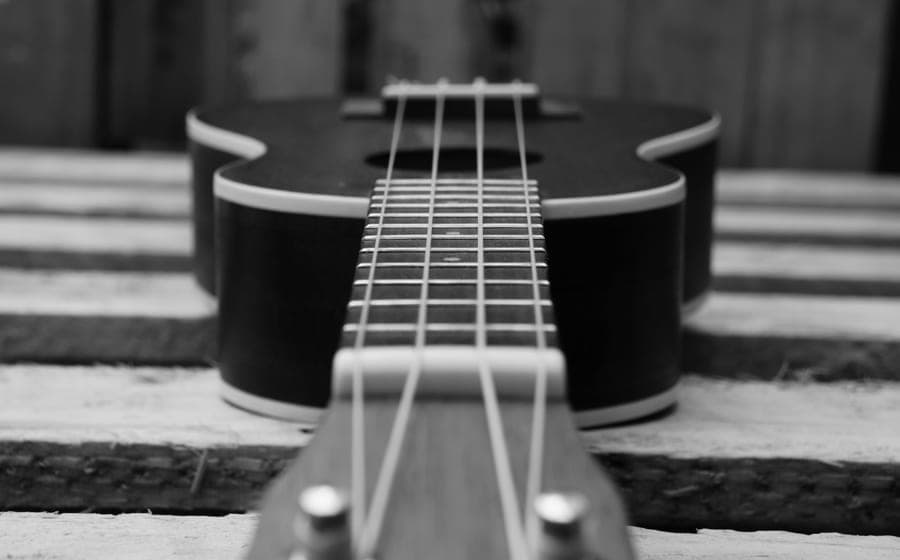
Soprano, concert and tenor ukuleles are three sizes of the same instrument. They share GCEA tuning, every chord shape transfers between them, and moving up a size costs you nothing but portability.
The baritone is not a fourth size of that instrument. It is tuned differently, it is not re-entrant, and none of the chord shapes carry over. Understanding that before you buy is the entire point of this page.
Every pick states its Starter Path band, and we have not physically tested any of them — the method is on how we pick.
Buy a baritone if you already play guitar, or if you specifically want a deeper, guitar-like nylon instrument. Do not buy one as a first ukulele: ukulele chord charts and tutorials will not match what your hands are doing.
What DGBE actually changes
A baritone is tuned D, G, B, E — identical to a guitar’s top four strings and a fourth below the other ukulele sizes.
Chord shapes are renamed. Play the shape that produces C on a soprano and you get G. Every chart, every tutorial, every song sheet written for GCEA is now transposed relative to what you are holding.
It is not re-entrant. The other sizes tune the fourth string high, above the string next to it, which is what produces the bright jangly strum people associate with the ukulele. The baritone runs low to high like a guitar, which is a fuller and much less distinctive sound. The whole tuning landscape is in ukulele tunings explained.
Strings are size-specific. A baritone needs baritone strings. A standard GCEA set will not work.
The picks
The Kala KA-B Baritone Ukulele#ad is the baritone we would buy. Mahogany top, back and sides on a 20 inch scale with 18 frets, a 1.5 inch nut and Aquila Super Nylgut strings fitted at the factory — so the usual first upgrade on an inexpensive ukulele is already done.
The scale and nut width together are the reason to want one. A 1.5 inch nut and 20 inches of scale give more room between strings and between frets than any other ukulele size, and for an adult with wide fingertips that is the difference between a cramped instrument and a comfortable one.
Its honest costs: ukulele chord charts do not apply, it loses the classic re-entrant jangle, it is the largest and least portable of the four sizes, and it needs baritone-specific strings.
The Kala KA-15T#ad is on this page because a good number of people who think they want a baritone actually want a tenor. It is the largest size that keeps GCEA tuning — so every ukulele chord chart still works — with a 17 inch scale that gives most of the extra room a baritone does. The tenor field is in best tenor ukuleles.
The Cordoba 15CM#ad is the smaller step for anyone who found a soprano cramped but does not need tenor bulk. Concert size, GCEA, a properly cut nut and saddle. The case for it is in best concert ukuleles.
Who should buy a baritone
Guitarists. The strongest case by a distance. Every chord shape you know transfers with no transposition at all, because the tuning is literally the top four strings of your guitar. You are playing within minutes rather than relearning anything — the wider crossover picture is in ukulele for guitar players.
Players with large hands. The most room of any ukulele size.
Singers who want a deeper accompaniment. The lower register sits under a voice more comfortably than a soprano’s bright chime.
Anyone who wants nylon strings and a guitar-like instrument. A baritone is close to a small classical guitar with two strings missing, and it is easier on the fingers than any steel-string.
Who should not
A complete beginner with no guitar background. The single most important warning here. You will be following tutorials written for a different tuning, and every chord name on screen will be wrong for your instrument. That is a genuinely discouraging way to start.
Anyone who wants the ukulele sound. If the reason you want a ukulele is the bright, cheerful strum, the baritone does not produce it and no technique recovers it.
Children. Too large, and the tuning mismatch makes group teaching impossible.
Anyone playing in a ukulele group. Ukulele clubs play in GCEA. A baritone player can join in, and they will be reading different chord names to everyone else all evening.
If any of those describe you, start at soprano versus concert versus tenor instead — that is where the sizes that share a tuning are compared.
Quick picks
The baritone to buy
Mahogany, a 20 inch scale, 18 frets and Aquila strings from the factory. Tuned DGBE, so every guitar chord shape transfers unchanged.
| # | Product | Best for | Score | Price |
|---|---|---|---|---|
| 1 | No image Kala KA-B Baritone UkuleleTuned DGBE — the top four strings of a guitar — on a 20 inch scale. | Guitarists, and anyone with big handsEnough | 8.6 | Check price on Amazon → #ad How we’re funded |
If you want the room without the retuning
A tenor keeps standard GCEA tuning and every ukulele chord shape, with the most space of any size that does.
| # | Product | Best for | Score | Price |
|---|---|---|---|---|
| 1 | No image Kala KA-15TA 17 inch tenor scale with 18 frets, a NuBone nut and saddle and Aquila strings fitted. | Tenor, adult handsEnough | 9.0 | Check price on Amazon → #ad How we’re funded |
If a tenor is more than you need
Concert size: noticeably more room than a soprano, still unmistakably a ukulele, still GCEA.
| # | Product | Best for | Score | Price |
|---|---|---|---|---|
| 1 | No image Cordoba 15CMA 375 mm concert scale with 18 frets and a 35 mm nut. | Adult hands, concert sizeEnough | 9.0 | Check price on Amazon → #ad How we’re funded |
The picks in full
Kala KA-B Baritone Ukulele
Kala Brand MusicBest for: Guitarists, and anyone with big hands
Tuned DGBE — the top four strings of a guitar — on a 20 inch scale. That makes it the one ukulele size a guitarist can pick up and play immediately, with no chord shapes to relearn.
Published specifications
- Scale length:
- 20.0625"
- Tuning:
- D-G-B-E with low D
- Top, back and sides:
- Mahogany
- Neck:
- Mahogany
- Frets:
- 18
- Nut width:
- 1.5"
- Overall length:
- 30.25"
- Strings:
- Aquila Super Nylgut
What it gets right
- DGBE tuning matches a guitar's top four strings exactly, so every guitar chord shape transfers with no transposition
- A 1.5 inch nut and 20 inch scale give more room than any other ukulele size
- Deeper, warmer voice than a soprano or concert — closer to a small nylon guitar
- Ships with Aquila Super Nylgut, so the usual first upgrade is already done
Where it gives ground
- Ukulele chord charts do NOT apply — a soprano C shape gives you a different chord here
- Loses the bright, jangly re-entrant character most people buy a ukulele for
- Largest and least portable of the four standard sizes
- Needs baritone-specific strings, not a standard GCEA set
What it is not good at
Being someone's first ukulele if they want the ukulele sound. It is closer to a small guitar than to a soprano, and a beginner following ukulele tutorials will be playing different chords to the ones on screen.
How the specs score against a beginner’s needs
Scores are our reading of the published specifications above against what a beginner physically needs. They are not test results — we have not played this instrument.
Specifications from Kala Brand Music — KA-B Satin Mahogany Baritone specifications, West Music — Kala KA-B published dimensions.
Kala KA-15T
Kala Brand MusicBest for: Tenor, adult hands
A 17 inch tenor scale with 18 frets, a NuBone nut and saddle and Aquila strings fitted. The most room between frets of any standard-tuned ukulele.
Published specifications
- Size:
- Tenor
- Scale length:
- 17"
- Overall length:
- 26.125"
- Body length:
- 11.75"
- Frets:
- 18, brass
- Top / back / sides:
- Mahogany
- Neck / fingerboard:
- Mahogany neck, walnut fingerboard and bridge
- Nut and saddle:
- GraphTech NuBone
- Nut width:
- 1.39"
- Body depth:
- 3.12"
- Strings:
- Aquila Super Nylgut
What it gets right
- 17 inches of scale is the most fret spacing available in standard GCEA tuning, which is exactly what adult fingers want
- 1.39 inch nut is marginally wider than the soprano and concert in the same line, so strings are less crowded across the neck too
- Same NuBone nut and factory Aquilas as the rest of the KA-15 series
Where it gives ground
- 26 inches overall is a large instrument, and it loses the pocket-sized charm people buy ukuleles for
- The bigger body is fuller and warmer, which means less of the bright plink that says 'ukulele'
What it is not good at
Children, and anyone who wants the classic sound. If the appeal is the small bright instrument, size down to a soprano — the tenor is a different experience.
How the specs score against a beginner’s needs
Scores are our reading of the published specifications above against what a beginner physically needs. They are not test results — we have not played this instrument.
Specifications from Kala Brand Music — KA-15T tenor specifications.
Cordoba 15CM
CordobaBest for: Adult hands, concert size
A 375 mm concert scale with 18 frets and a 35 mm nut. The extra inch and a bit of scale over a soprano is the difference between cramped and comfortable for most adults.
Published specifications
- Size:
- Concert
- Top / back / sides:
- Mahogany
- Fingerboard:
- Rosewood
- Scale length:
- 375 mm (14-3/4")
- Frets:
- 18
- Nut width:
- 35 mm (1-3/8")
- Body / overall:
- 280 mm body, 610 mm (24") overall
- Strings / finish:
- Aquila, satin finish, abalone rosette
What it gets right
- 18 frets against a soprano's 12 — a whole extra register that a soprano simply does not have
- The 375 mm scale gives noticeably more room between frets without becoming a tenor-sized instrument
- Aquila strings and an abalone rosette; it looks considerably more expensive than it is
Where it gives ground
- Identical 35 mm nut width to the Kala soprano — the extra room is between the frets, not across the neck
- 24 inches overall is a lot of instrument for a small child
What it is not good at
Sounding like a ukulele in the postcard sense. The concert body is fuller and rounder; the bright, plinky voice people picture is the soprano's.
How the specs score against a beginner’s needs
Scores are our reading of the published specifications above against what a beginner physically needs. They are not test results — we have not played this instrument.
Specifications from Cordoba Guitars — 15CM.
Questions people actually ask
What is a baritone ukulele tuned to?
D-G-B-E — the same as the top four strings of a guitar, and a fourth below the GCEA that soprano, concert and tenor ukuleles use. It is also not re-entrant, so the strings run low to high.
Can you use ukulele chord charts on a baritone?
No, and this is the thing that catches people out. A shape that gives you C on a soprano gives you G on a baritone. Baritone players need guitar chord charts or baritone-specific ones.
Is a baritone ukulele good for beginners?
For a guitarist, it is the easiest instrument on the site to pick up. For a complete beginner with no guitar background it is a poor first ukulele, because most tutorials and chord charts are written for a different tuning.
Does a baritone sound like a ukulele?
Less than the other sizes. Losing re-entrant tuning removes the bright, jangly strum that defines the ukulele sound. A baritone sounds closer to a small nylon-string guitar, which is either the point or the problem.
Sources
Still deciding?
Every recommendation on this site is built the same way, and the method is published in full — including what we do not do and what would get a pick dropped.
Read next
- Ukulele tunings, and which one to use
Standard GCEA, what re-entrant tuning does, high-G versus low-G, and the baritone exception that changes every chord shape.
- Picking up a ukulele as a guitar player
The capo-five relationship, which size guitarists should buy, what re-entrant tuning breaks, and the low-G option.
- Soprano vs concert vs tenor ukulele
Real scale lengths and fret counts across all four sizes, with the hand-size rule and buy paths for the two that matter.
- Best tenor ukuleles
Who a 17-inch tenor scale is genuinely for, what it trades away in tone, and the pick worth buying.
- Best concert ukuleles
Why concert is the default adult size, what changes against a soprano, and the picks either side of the size line.