Ukuleles
How to buy your first ukulele
Five decisions, in order, and the fourth one is the only place a first-time buyer reliably goes wrong.
By Sawyer V. · Published · Last updated
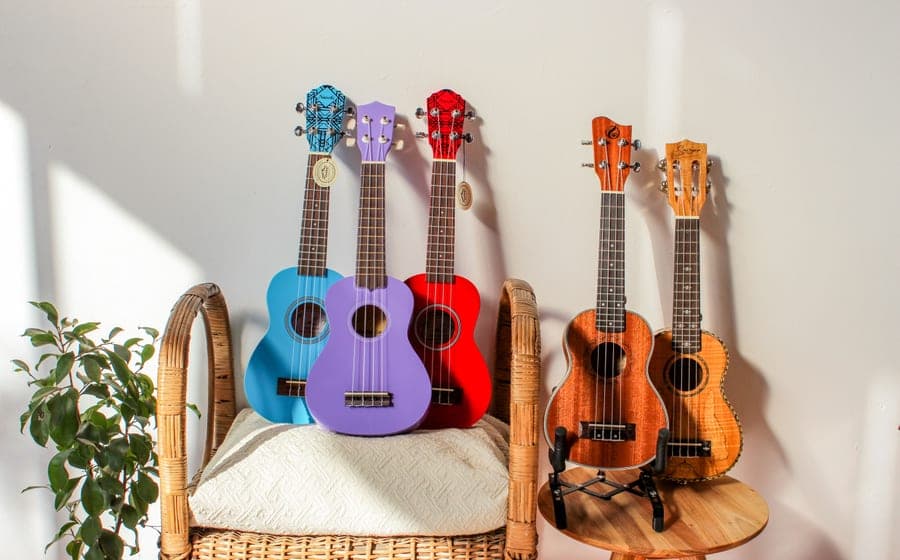
The ukulele is the least intimidating instrument on this site and the purchase is still easy to get wrong, because the things that matter are not the things the listing puts in the photograph.
Here are the five decisions in the order they should be made. The picks below state their Starter Path band, and we have not physically tested any of them.
Decide the size by the player’s hands first, then check the nut and saddle material and the string brand, then check the tuners are geared, then add a clip-on tuner. A concert-size instrument with a NuBone nut and Aquila strings is the safe answer for almost every adult beginner.
Decision one: who is actually going to play it
This is the decision everything else follows from, and it is worth being honest about. A ukulele bought for a household rather than for a person ends up sized for nobody.
A child under about ten wants a soprano: 21 inches overall, light, and small enough to hold without a strap. An adult wants a concert or a tenor. A guitarist who wants something that plays like a guitar wants a baritone, which is a different instrument in the same family.
Decision two: the size
Scale length sets the fret spacing, and fret spacing is what your hand actually has to cope with. Soprano is 13.625 inches on the Kala KA-15S#ad; concert is 375 mm on the Cordoba 15CM#ad; tenor is 17 inches.
There is no downside to sizing up other than portability and a slightly less bright tone. Soprano, concert and tenor all use GCEA tuning and identical chord shapes, so nothing learned on one has to be relearned on another. If you are unsure, buy the concert.
The size-by-size detail, including fret counts and what each one sounds like, is in soprano versus concert versus tenor.
Decision three: the nut and the strings
This is the part first-time buyers skip, and it is the part that decides whether the instrument is playable.
The nut is the slotted piece at the top of the fingerboard. Soft molded plastic grooves grip the string so it does not return to pitch, which is why an inexpensive ukulele can feel like it drifts out of tune within minutes. NuBone, bone or another hard synthetic does not do that.
The strings are the other half. Aquila Super Nylgut, fitted at the factory, means the instrument sounds like itself on day one. Generic nylon means the first real upgrade is waiting for you, at a cost that is a meaningful fraction of a cheap instrument.
If a listing publishes neither figure, that omission is the answer. We make the same argument at length in are cheap ukuleles worth it.
Decision four: the tuners
Look for geared tuners, which most decent ukuleles have. Friction pegs — a plain tapered peg with no gearing — appear on some traditional instruments and on some very cheap ones, and they make fine tuning a test of patience that a beginner will fail.
You can see this in a photograph: a geared tuner has a visible gear housing and a button set at right angles to the headstock. A friction peg is a smooth taper pushed straight through.
Decision five: what you add
A clip-on tuner, and nothing else is compulsory. The Snark clip-on chromatic tuner#ad reads pitch through the vibration of the headstock rather than through a microphone, so it works in a noisy room, and it is chromatic, so one unit covers every stringed instrument in the house.
It matters more than it sounds. New strings do not settle for several days, and during that window the instrument goes flat repeatedly. A beginner with no tuner interprets this as a faulty instrument or a faulty ear, and both conclusions end badly.
The rest of the list, ranked by whether you genuinely need it, is in ukulele accessories you actually need.
What to do in the first week
Tune it every single time before you play, and expect to retune part way through for the first fortnight while the strings settle. Learn the four chords that cover an enormous amount of popular music before you learn anything else. Keep it somewhere visible, because an instrument in a cupboard is an instrument nobody plays.
The tuning routine itself, including which string is which, is in how to tune a ukulele, and how to hold the thing is in how to hold and strum a ukulele.
What we would buy
For an adult, a concert-size instrument with a NuBone nut and factory Aquilas, plus a clip-on tuner. For a child, a soprano on the same terms. Both are picked out with the alternatives in best beginner ukuleles, and what you should expect to spend is in how much a beginner ukulele should cost.
What we would buy
Kala KA-15S
Kala Brand MusicBest for: The honest floor, soprano
Mahogany throughout, a GraphTech NuBone nut and saddle, and Aquila strings fitted from the factory. The nut material is the spec that separates this from the pile of look-alikes.
Published specifications
- Size:
- Soprano
- Top / back / sides:
- Mahogany
- Neck / fretboard:
- Mahogany neck, rosewood fretboard
- Nut and saddle:
- GraphTech NuBone
- Scale length:
- 13.625"
- Frets:
- 12
- Nut width:
- 1.375"
- Overall length:
- 21.062"
- Strings:
- Aquila Super Nylgut
What it gets right
- NuBone nut and saddle rather than molded plastic — this is what decides whether the instrument plays in tune up the neck
- Aquila strings fitted at the factory, so the first thing you would otherwise replace is already done
- 21 inches overall and light enough for a small child to hold unsupported
Where it gives ground
- 12 frets only, and the body joint stops you well short of the high notes
- Soprano scale means less room between frets — adult fingers with wide fingertips will find it cramped
What it is not good at
Adult hands, sometimes. A 13.625 inch scale is genuinely tight. If the player is a grown-up with large hands, read our soprano-versus-concert comparison before buying this size.
How the specs score against a beginner’s needs
Scores are our reading of the published specifications above against what a beginner physically needs. They are not test results — we have not played this instrument.
Specifications from Kala Brand Music — KA-15S specifications.
Cordoba 15CM
CordobaBest for: Adult hands, concert size
A 375 mm concert scale with 18 frets and a 35 mm nut. The extra inch and a bit of scale over a soprano is the difference between cramped and comfortable for most adults.
Published specifications
- Size:
- Concert
- Top / back / sides:
- Mahogany
- Fingerboard:
- Rosewood
- Scale length:
- 375 mm (14-3/4")
- Frets:
- 18
- Nut width:
- 35 mm (1-3/8")
- Body / overall:
- 280 mm body, 610 mm (24") overall
- Strings / finish:
- Aquila, satin finish, abalone rosette
What it gets right
- 18 frets against a soprano's 12 — a whole extra register that a soprano simply does not have
- The 375 mm scale gives noticeably more room between frets without becoming a tenor-sized instrument
- Aquila strings and an abalone rosette; it looks considerably more expensive than it is
Where it gives ground
- Identical 35 mm nut width to the Kala soprano — the extra room is between the frets, not across the neck
- 24 inches overall is a lot of instrument for a small child
What it is not good at
Sounding like a ukulele in the postcard sense. The concert body is fuller and rounder; the bright, plinky voice people picture is the soprano's.
How the specs score against a beginner’s needs
Scores are our reading of the published specifications above against what a beginner physically needs. They are not test results — we have not played this instrument.
Specifications from Cordoba Guitars — 15CM.
Snark clip-on chromatic tuner
SnarkBest for: Tuning anything with strings
Clips to the headstock and reads pitch from the vibration of the wood, so it works in a noisy room and an adult who plays nothing can tune the instrument in twenty seconds.
Published specifications
- Type:
- Clip-on chromatic
- Sensing:
- Vibration through the headstock, not the microphone
- Fits:
- Guitar, bass, ukulele, violin, mandolin
- Display:
- Full-color rotating screen
What it gets right
- Vibration sensing means it works in a room with a television on, which a microphone tuner does not
- Chromatic, so one tuner covers every instrument in the house
- The rotating display means it reads correctly whichever way the instrument is held
Where it gives ground
- The clip is plastic and it is the part that eventually breaks
- Battery-powered, and it will be flat the one time you need it in a hurry
What it is not good at
Wind and brass instruments. It reads vibration through a solid body, so there is nothing for it to clip to on a flute or a trumpet.
How the specs score against a beginner’s needs
Scores are our reading of the published specifications above against what a beginner physically needs. They are not test results — we have not played this instrument.
Specifications from Snark tuners (retail listing with published feature set).
Questions people actually ask
What should I look for when buying my first ukulele?
In order: the right size for the player’s hands, a hard nut and saddle material such as NuBone or bone, named strings, and geared tuners. Everything else is preference.
What size ukulele should a beginner buy?
A child under about ten wants a soprano. An adult wants a concert unless they already know their hands are large, in which case a tenor. All three use identical tuning and chord shapes.
Is it better to buy a ukulele online or in a shop?
A shop lets you hold it, which resolves the size question in ten seconds. Online is fine if you buy a model whose specifications are published, because the risk you are avoiding in a shop is mostly variance between unbranded units.
Do I need to get a new ukulele set up?
Far less often than with a guitar. Nylon strings are under low tension and most beginner ukuleles play acceptably out of the box. What they often do need is a string change, which is cheap and which you can do yourself.
Sources
Still deciding?
Every recommendation on this site is built the same way, and the method is published in full — including what we do not do and what would get a pick dropped.
Read next
- Best beginner ukuleles: what's worth it from $60 to $120
Segmented by hand size rather than price, with the nut-material spec that separates a real ukulele from a decoration.
- Soprano vs concert vs tenor ukulele
Real scale lengths and fret counts across all four sizes, with the hand-size rule and buy paths for the two that matter.
- How much should a beginner ukulele cost?
Four bands from $30 to $200, defined by nut material and tuner type rather than by brand, with the accessory list included.
- What comes with a ukulele, and what you still need
What is really in the box, what the bundle accessories are worth, and the three things you genuinely need.
- How to tune a ukulele
GCEA explained, using a clip-on tuner, why new strings drift for a week, and when tuning is not the problem.