Start Here
Best beginner instruments under $100
A hundred dollars buys a genuinely good instrument in five categories and a bad one in every other. Knowing which list you are shopping from is the whole trick.
By Sawyer V. · Published · Last updated
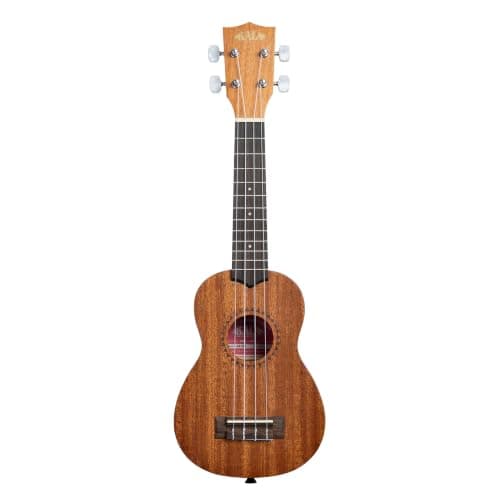
Buy a soprano ukulele. The Kala KA-15S is about sixty-nine dollars and it is a real instrument, not a compromise. If the player wants something pocket-sized, a harmonica in C is about forty-four. If drums are the dream, a practice pad and a pair of sticks is about forty-six and is the honest start.
The useful thing about a hundred-dollar budget is that it splits the instrument world cleanly in two. In five categories, a hundred dollars buys something a player will not fight. In the four biggest categories — guitar, keyboard, violin, drum kit — it buys an object that will make a beginner think they are the problem. This page is both lists, because the second one is the more valuable.
Best instrument under $100: the Kala KA-15S soprano ukulele — about $69 as of November 7, 2026, mahogany, geared tuners, from a maker whose other instruments cost ten times as much. Pocket-sized: a Hohner Special 20 harmonica in C, about $44. To start drums: a 12-inch practice pad plus 5A sticks, about $46 together — not a kit, and that is the point. Keyboard layout: a Hohner Melodica Student 32, about $88. Cheapest real instrument: a Yamaha YRS-24B recorder, about $7. What $100 does NOT buy: a playable guitar, a keyboard worth learning piano on, a violin that holds a setup, or a drum kit that can be tuned. In those four categories, save longer or rent.
Why some instruments work at this price and others do not
It is not about brand prestige. It is about how much hand labor the instrument needs before it can be played at all.
A ukulele, a recorder, a harmonica and a melodica are all made to final tolerance by machine. Nobody has to cut a bridge or dress a fret for them to work. So a factory can turn out a good one at a low price, and the difference between a sixty-dollar ukulele and a six-hundred-dollar one is tone and materials, not playability.
A guitar and a violin are the opposite. Both need setup work — nut slot depths, action height, bridge fit, fret level — and that work is skilled labor. At thirty dollars there is none of it, so the instrument arrives with action so high a child cannot press the strings down, which is the single most common reason a young beginner quits.
A keyboard is a third case: the electronics are cheap and the parts that matter for learning — key width, touch sensitivity, a sustain pedal socket, enough keys for two hands — are the ones manufacturers cut first.
The picks
The Kala KA-15S#ad is the answer for most people reading this. A mahogany soprano with geared tuners, playable out of the box, from a company whose catalog runs up to serious instruments. Buy it if you want one instrument under a hundred dollars that a child or an adult can actually learn on. Skip it if the player has large hands — a soprano is small, and our size comparison is worth two minutes before buying.
The Hohner Special 20 in C#ad is the adult answer when space is the constraint. It fits in a coat pocket, it needs no room, and C is the key almost every beginner harmonica lesson is written in. Buy it if the player is an adult with no space, or travels. Skip it if the player is very young: breath control on a diatonic harp is harder than it looks. Our harmonicas page covers the alternatives.
A twelve-inch practice pad#ad and a pair of 5A sticks#ad are the honest drum answer at this price. A pad is where rudiments, grip, stroke and timing are learned, and every drum teacher starts there anyway. Buy it if the would-be drummer understands what they are getting. Skip it if a kit has been promised, in which case the budget is the thing to change, not the product — see what a beginner drum set should cost.
The Yamaha YRS-312B#ad is a three-piece recorder with baroque fingering, which is what a child who has taken to the school recorder should move onto. About forty dollars for a step up that is audible to a parent across a room. Buy it if the child already plays recorder and likes it. Skip it if this is the first one — start with the cheap one.
The Hohner Melodica Student 32#ad is the honest keyboard-shaped instrument at this price: 32 keys, a flexible tube and mouthpiece, and a carry case Hohner says doubles as a music stand. It needs no power, no stand and no bench, and everything learned about where the notes are transfers straight to a piano. Buy it if the player wants keyboard geography on this budget. Skip it if graded piano study is the plan: put the money towards a weighted digital piano instead.
The Yamaha YRS-24B#ad is about seven dollars and it plays in tune. As a way of finding out whether a child will practice anything at all, nothing else comes close on cost. Buy it if you are testing interest. Skip it if interest is already proven.
What a hundred dollars does not buy
A guitar. Not a playable one. The failures are specific: action too high to press down, tuners that slip inside a song, and intonation that is wrong up the neck. Our beginner guitar cost page gives the real number, and it starts with a 1 and has three digits.
A keyboard worth learning piano on. Narrow keys, no touch response, often no sustain socket. A student has to unlearn all of it. See weighted versus unweighted keys.
A violin. The setup labor costs more than the instrument. Rent instead: rent or buy.
A drum kit. Thin shells, heads that will not tune, hardware that bends. The pad is the honest version. See kit versus pad.
Anything described as a “starter pack” at a toy price. A bundle with a bag, a strap, a tuner and picks at thirty-five dollars has spent nothing on the instrument. We take that apart on are guitar starter packs worth it.
If this is a gift and the budget can stretch, the better question is which instrument suits the person — start at instrument gifts that get played or what instrument should I learn. If the budget is the hard constraint, buy the ukulele.
Quick picks
Buy this one
A mahogany soprano ukulele from a brand that also makes serious instruments, at about $69. For: almost anybody, child or adult, who wants an instrument rather than a toy. Skip if: the player has big hands and wants something that will not feel cramped — a concert size costs a little more.
| # | Product | Best for | Score | Price |
|---|---|---|---|---|
| 1 | Kala KA-15SMahogany throughout, a GraphTech NuBone nut and saddle, and Aquila strings fitted from the factory. | The honest floor, sopranoThe honest floor | 8.7 | $69.00 · View on Amazon #ad How we’re funded |
If they want something pocket-sized
A ten-hole diatonic harmonica in the key of C, the standard adult starting point, at about $44. For: an adult with no space and no patience for an instrument that needs a room. Skip if: the player is under about eight, where breath control is a fight.
| # | Product | Best for | Score | Price |
|---|---|---|---|---|
| 1 | 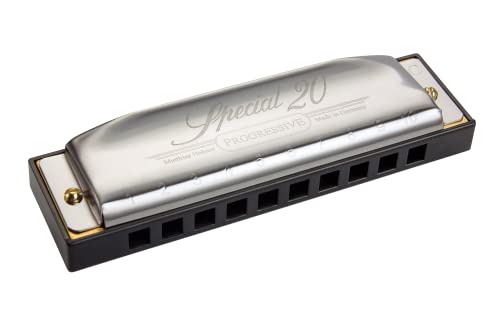 Hohner Special 20 (Key of C)Brass reed plates in a plastic comb, made in Germany, and a long-standing reputation for bending easily straight out of the box. | The first harmonica to buyEnough | 9.1 | $46.99 · View on Amazon #ad How we’re funded |
If drums are the dream and the budget is $100
A twelve-inch practice pad plus a pair of 5A sticks — about $46 together, and the honest version of starting drums at this price. For: a would-be drummer in a flat. Skip if: they expect a kit, because this is explicitly not one.
| # | Product | Best for | Score | Price |
|---|---|---|---|---|
| 1 | 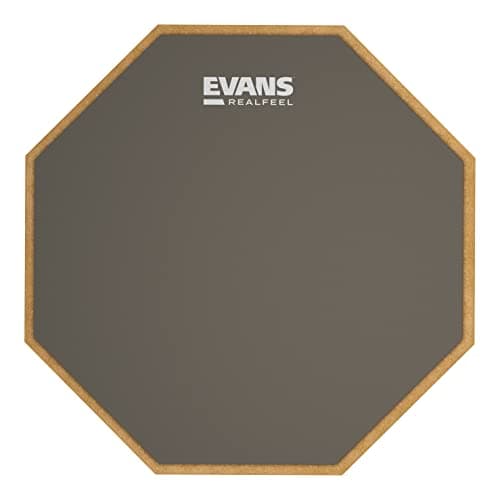 Evans RealFeel 12" single-sided practice padThe same gum rubber playing surface as the two-sided pad, without the neoprene side. | Lighter, one surfaceThe honest floor | 8.5 | $39.99 · View on Amazon #ad How we’re funded |
| 2 | 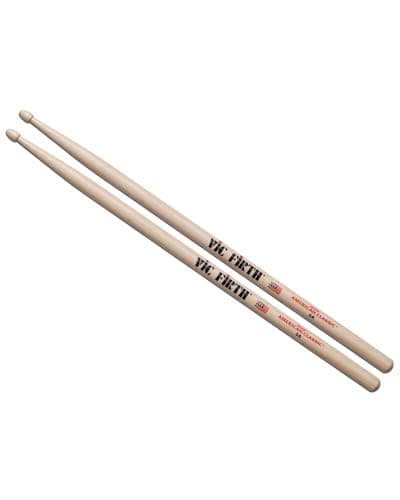 Vic Firth American Classic 5A (wood tip)16 inches, 0. | The default, and the one to buy firstThe honest floor | 9.0 | $14.99 · View on Amazon #ad How we’re funded |
If it is for a school recorder, done properly
A three-piece baroque-fingering recorder at about $40, which is a real instrument rather than the plastic one the school hands out. For: a child who turned out to like it. Skip if: nobody has confirmed the child likes it yet — the $7 one is the test.
| # | Product | Best for | Score | Price |
|---|---|---|---|---|
| 1 | 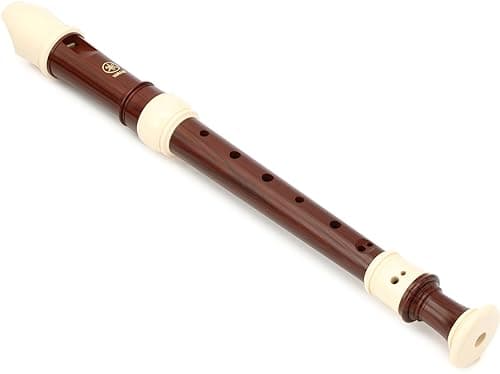 Yamaha YRS-312BAn arched windway, a Rottenburgh bore and a simulated rosewood finish. | Where more money stops helpingWhere overspending starts | 9.0 | $39.99 · View on Amazon #ad How we’re funded |
If they want a keyboard layout
A 32-key melodica at about $88: real note layout, no power, no stand, no bench. For: a child or adult who wants piano geography on a $100 budget. Skip if: graded piano lessons are the plan, where the money should go towards a weighted keyboard instead.
| # | Product | Best for | Score | Price |
|---|---|---|---|---|
| 1 | 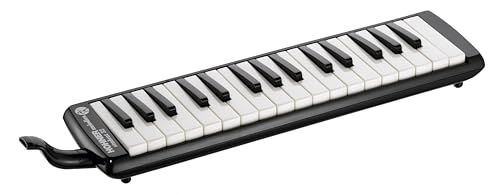 Hohner Melodica Student 32Thirty-two keys you blow through, from the company that has made them for decades, with a flexible tube, a mouthpiece and a carry case that doubles as a music stand. | Keyboard layout for under a hundred dollarsThe honest floor | 8.4 | $87.87 · View on Amazon #ad How we’re funded |
The cheapest thing here that is still a real instrument
A soprano recorder at about $7 from a maker whose professional recorders cost hundreds. For: finding out whether a child will practice anything at all. Skip if: they have already proved they will, where the three-piece model is the better instrument.
| # | Product | Best for | Score | Price |
|---|---|---|---|---|
| 1 |  Yamaha YRS-24BBaroque fingering, double toneholes and a three-piece ABS body, for about what a no-name recorder costs. | The school recorder to buyThe honest floor | 8.1 | $7.36 · View on Amazon #ad How we’re funded |
The picks in full
Kala KA-15S
Kala Brand MusicBest for: The honest floor, soprano
Mahogany throughout, a GraphTech NuBone nut and saddle, and Aquila strings fitted from the factory. The nut material is the spec that separates this from the pile of look-alikes.
Published specifications
- Size:
- Soprano
- Top / back / sides:
- Mahogany
- Neck / fretboard:
- Mahogany neck, rosewood fretboard
- Nut and saddle:
- GraphTech NuBone
- Scale length:
- 13.625"
- Frets:
- 12
- Nut width:
- 1.375"
- Overall length:
- 21.062"
- Strings:
- Aquila Super Nylgut
What it gets right
- NuBone nut and saddle rather than molded plastic — this is what decides whether the instrument plays in tune up the neck
- Aquila strings fitted at the factory, so the first thing you would otherwise replace is already done
- 21 inches overall and light enough for a small child to hold unsupported
Where it gives ground
- 12 frets only, and the body joint stops you well short of the high notes
- Soprano scale means less room between frets — adult fingers with wide fingertips will find it cramped
What it is not good at
Adult hands, sometimes. A 13.625 inch scale is genuinely tight. If the player is a grown-up with large hands, read our soprano-versus-concert comparison before buying this size.
How the specs score against a beginner’s needs
Scores are our reading of the published specifications above against what a beginner physically needs. They are not test results — we have not played this instrument.
Specifications from Kala Brand Music — KA-15S specifications.
Hohner Special 20 (Key of C)
HohnerBest for: The first harmonica to buy
Brass reed plates in a plastic comb, made in Germany, and a long-standing reputation for bending easily straight out of the box. Bending is the technique that makes a harmonica sound like a harmonica, and this is the cheapest harp that makes it achievable.
Published specifications
- Type:
- 10-hole diatonic, 20 reeds
- Key:
- C — the standard beginner key
- Reed plates:
- Brass, 0.9 mm
- Comb:
- Plastic
- Length:
- Approximately 10.0 cm
- Tuning:
- Compromise tuning — favors chords
- Made in:
- Germany
What it gets right
- Widely documented as very easy to bend out of the box, both draw and blow bends — the single most important property for a learner
- Plastic comb does not swell with moisture the way a wooden comb does
- Compromise tuning makes chords sound sweeter, which is most of what a beginner plays
- Airtight enough that a beginner is not fighting leaks while learning breath control
Where it gives ground
- Costs several times what a toy-tier harmonica does, which stings before you understand why it matters
- Compromise tuning is very slightly less precise on single-note runs than equal temperament
- Reed plates are not designed to be swapped by the player the way Lee Oskar's are
- Key of C only — playing along with other music eventually means buying more keys
What it is not good at
Playing in any key but C. A diatonic harmonica plays one key, and a player who wants to jam with other people ends up owning several. That is normal for the instrument and it is a real ongoing cost nobody mentions upfront.
How the specs score against a beginner’s needs
Scores are our reading of the published specifications above against what a beginner physically needs. They are not test results — we have not played this instrument.
Specifications from Harmonica.com — Hohner Special 20 (Key of C) published review and specifications, The Harmonica Company — Hohner Special 20 vs Lee Oskar Major Diatonic comparison.
Evans RealFeel 12" single-sided practice pad
EvansBest for: Lighter, one surface
The same gum rubber playing surface as the two-sided pad, without the neoprene side. Lighter and cheaper, and for a beginner the second surface is not the point yet.
Published specifications
- Diameter:
- 12"
- Surface:
- Single — natural gum rubber
- Response:
- Realistic stick rebound, consistent across the surface
- Manufacture:
- Designed, engineered and made in the USA
What it gets right
- Identical playing surface to the two-sided pad, which is the part that matters
- Lighter, so it actually travels
- The cheapest genuinely good pad, which makes it the right first one
Where it gives ground
- One surface, so no harder option for strength work later
- The flat back slides on a smooth table without a stand
What it is not good at
Being the last pad a committed drummer owns. Most people who keep drumming end up wanting the second surface eventually.
How the specs score against a beginner’s needs
Scores are our reading of the published specifications above against what a beginner physically needs. They are not test results — we have not played this instrument.
Specifications from Evans RealFeel single-sided pad published description.
Yamaha YRS-312B
YamahaBest for: Where more money stops helping
An arched windway, a Rottenburgh bore and a simulated rosewood finish. Every one of those is a genuine refinement, and none of them is something a first-year player can use — at roughly double the Aulos you are buying a finish and a bore style, not a better instrument for a beginner.
Published specifications
- Fingering:
- Baroque — identical to the YRS-24B
- Windway:
- Arched
- Body:
- Three pieces, ABS resin, simulated rosewood finish
- Toneholes:
- Double: c-c#, d-d#
- Style:
- Rottenburgh
- Included:
- Vinyl bag, cleaning rod, joint cream, owner's manual
What it gets right
- Arched windway and a Rottenburgh bore, both real design upgrades over the straight-windway school recorders
- Ships with joint cream, which is the thing that stops a tight three-piece joint being forced and cracked
- Double toneholes at c-c# and d-d# are published, not inferred
- The same Baroque fingering as the cheap Yamaha, so nothing a student has learned transfers badly
Where it gives ground
- Around double the Aulos 703B for no documented advantage a beginner can hear or use
- The simulated rosewood finish is cosmetic; it changes nothing about how the instrument plays
- Marketed as intermediate-to-advanced, which is an honest description of who benefits — and it is not a first-term student
- At this price the sensible comparison is no longer other plastic recorders but a cheap wooden one
What it is not good at
Justifying itself to a beginner. The money difference between this and the Aulos buys two or three lessons, and lessons will do more for a first-year recorder player than any windway geometry.
How the specs score against a beginner’s needs
Scores are our reading of the published specifications above against what a beginner physically needs. They are not test results — we have not played this instrument.
Specifications from Brook Mays — Yamaha YRS-312B published specifications (Baroque fingering, arched windway, three-piece, double holes c-c# and d-d#, Rottenburgh style).
Hohner Melodica Student 32
HohnerBest for: Keyboard layout for under a hundred dollars
Thirty-two keys you blow through, from the company that has made them for decades, with a flexible tube, a mouthpiece and a carry case that doubles as a music stand. The only honest way to buy a keyboard-shaped instrument at this price.
Published specifications
- Model:
- Hohner Melodica Student 32 (C94321)
- Keys:
- 32
- Body:
- Colored acrylic
- Included:
- Flexible tube and mouthpiece; carry case that doubles as a music stand
- Stated for:
- Entry level, for students and advanced players, per Hohner
What it gets right
- Real note layout: everything learned here transfers directly to a piano keyboard
- Needs no power, no stand and no bench, which is the whole argument against a cheap keyboard
- Breath control makes dynamics obvious in a way a cheap keyboard's unweighted keys never do
Where it gives ground
- Thirty-two keys and monophonic phrasing — this is not a substitute for a digital piano
- Blown instruments need drying out, and a neglected melodica smells like one
What it is not good at
Piano lessons. If the plan is graded piano study, save for a weighted 88-key instrument instead; this is a real instrument, but it is its own instrument.
How the specs score against a beginner’s needs
Scores are our reading of the published specifications above against what a beginner physically needs. They are not test results — we have not played this instrument.
Yamaha YRS-24B
YamahaBest for: The school recorder to buy
Baroque fingering, double toneholes and a three-piece ABS body, for about what a no-name recorder costs. That last point is the whole argument: at this price the instrument your method book was written for is not a step up in spend, so there is no reason to buy the other thing.
Published specifications
- Fingering:
- Baroque (English) — the system method books assume
- Windway:
- Straight
- Body:
- Three pieces, ABS resin
- Toneholes:
- Double
- Key:
- C soprano (descant)
- Included:
- Cotton case and fingering chart
What it gets right
- Baroque fingering, which is what essentially every school method book and online lesson is written for
- Double toneholes, so the chromatic notes a method book reaches by the second term are actually playable in tune
- Three-piece body: the head joint can be pulled out slightly to tune down to a group, and a single damaged joint can be replaced
- Costs roughly the same as the unbranded recorders sold beside it, so the better instrument is not the expensive choice
Where it gives ground
- The straight windway is the cheaper design, and the upper register is the first place that shows
- Published reviews consistently note it running sharp high up, which a beginner hears as 'this note sounds wrong' rather than as a breath-pressure problem
- No thumb rest, which matters for a small player holding it for a full lesson
- The cotton bag is a dust cover, not protection
What it is not good at
Holding its tuning in the top octave under enthusiastic breath. It is the cheapest honest recorder, not a refined one, and the compromise is specifically in the register a beginner reaches in year two.
How the specs score against a beginner’s needs
Scores are our reading of the published specifications above against what a beginner physically needs. They are not test results — we have not played this instrument.
Specifications from Musician's Friend — Yamaha YRS-24B published specifications (fingering, windway, body pieces, toneholes).
Vic Firth American Classic 5A (wood tip)
Vic FirthBest for: The default, and the one to buy first
16 inches, 0.565 inch diameter, medium taper, hickory, wood teardrop tip. The 5A is the stick almost every drummer alive uses and the one a teacher assumes you own, and the wood tip is the version to start with.
Published specifications
- Length:
- 16"
- Diameter:
- 0.565"
- Taper:
- Medium
- Material:
- Hickory, lacquer finish
- Tip:
- Wood, teardrop shape
- Variants to avoid by accident:
- A Barrel Tip 5A exists at the same 16" / 0.565" with a different tip shape, and an Extreme 5A is longer at 16.5"
What it gets right
- The near-universal default size, so a teacher, a band and every method book assume it
- Hickory is the standard shaft wood: stiffer than maple and less brittle than oak, which is what you want while technique is still rough
- Wood tip gives a warmer cymbal sound and has nothing to come loose, unlike a nylon tip
- Cheapest item on this page and the one most likely to be correct without any further thought
Where it gives ground
- 0.565 inch is genuinely too thick for a small child's hand, which is what the 7A exists for
- Wood tips wear and eventually fray against a hi-hat edge, where nylon lasts longer
- Vic Firth's own site is JS-rendered and publishes no spec text to a plain request, so every figure here comes from a dealer
- One pair is not enough — sticks are a consumable and break, so plan on two
What it is not good at
Small hands. A 0.565 inch shaft is the adult default, and handing it to a seven-year-old produces a grip problem that reads as a talent problem. The 7A is thinner for exactly this reason.
How the specs score against a beginner’s needs
Scores are our reading of the published specifications above against what a beginner physically needs. They are not test results — we have not played this instrument.
Specifications from Sweetwater — Vic Firth American Classic 5A: 16 in length, 0.565 in diameter, hickory, teardrop tip, Adorama — Vic Firth American Classic 5A drum sticks, published 16 in length and 0.565 in diameter in both imperial and metric, Michéo Music — Vic Firth American Classic 5A Barrel Tip, published at the same 16 in / 0.565 in / hickory / medium taper but with a barrel rather than teardrop tip, which is the variant to avoid buying by mistake.
Questions people actually ask
What is the best instrument to learn for under $100?
A soprano ukulele. The Kala KA-15S#ad is about sixty-nine dollars, it is mahogany with geared tuners, and Kala also makes instruments costing ten times as much — which is the test we apply across this site. Under a hundred dollars, the ukulele is the only fretted instrument where the cheap version is a real instrument rather than a compromise that fights the player.
Can you get a decent guitar for under $100?
No, and this is the most useful thing on this page. Below about a hundred and fifty dollars the compromises stop being cosmetic: high action that a beginner cannot press down, tuners that will not hold a tuning for a song, and intonation that makes chords sound wrong even when they are fingered correctly. A player who concludes they “have no talent” after a month on a thirty-dollar guitar has been beaten by the instrument. Our are cheap guitars worth it page goes through the specifics, and how much a beginner guitar should cost gives the number.
Is a $100 keyboard worth buying?
Not for learning piano. Under a hundred dollars you get narrow keys, no touch sensitivity, 44 to 54 of them, and often no socket for a sustain pedal — which means a student has to unlearn the instrument later. If keyboard geography is what the player wants on this budget, a melodica#ad is the honest answer: real note layout, real dynamics through the breath, no pretense of being a piano. If piano lessons are the plan, save: see how much a beginner keyboard should cost.
Can I start drums for under $100?
Yes, but not with a kit. A twelve-inch practice pad#ad and a pair of 5A sticks#ad come to about forty-six dollars and that is a real start: every rudiment, every bit of stick technique and most of the first six months of any drum method happens on a pad. A hundred-dollar “drum kit” is a set of thin shells with heads that cannot be tuned, and it teaches a child that drums sound bad. Our kit versus practice pad page argues this out properly.
What about a violin under $100?
Avoid it. A violin has to be set up — pegs that turn smoothly, a bridge cut to the right height and curve, a soundpost standing in the right place — and that labor costs more than a hundred-dollar instrument sells for. What arrives is unplayable in a way a beginner cannot diagnose or fix. Renting is the answer at this budget; our rent or buy page covers when that makes sense, and what a beginner violin should cost gives the real figure.
Is a $7 recorder really a real instrument?
Yes, which makes it the strangest fact on this page. The Yamaha YRS-24B#ad is made by a company whose professional recorders cost hundreds, it plays in tune, and school music programs use it by the thousand. It is the cheapest honest way to find out whether a child will practice anything. If they do, the three-piece YRS-312B#ad is a genuine step up and still under forty dollars.
Sources
Still deciding?
Every recommendation on this site is built the same way, and the method is published in full — including what we do not do and what would get a pick dropped.
Read next
- Instrument gifts that actually get played
What to give when you cannot ask the recipient first: four instruments that work out of the box, plus the ten-dollar accessory that saves any of them.
- What it really costs to start an instrument
Complete first-year cost by instrument family, the recurring items nobody quotes, and where the cheapest total actually is.
- The easiest instruments to learn
Ranked by time to a first real song, with the ceiling each one trades away, and a pick for the top three.
- Best stocking stuffers for musicians
Under about twenty-five dollars and useful whatever they play. Four that pass, three that are usually duplicates, and the one segment where you do need to know the instrument.
- Best beginner ukuleles: what's worth it from $60 to $120
Segmented by hand size rather than price, with the nut-material spec that separates a real ukulele from a decoration.
- Best recorders for beginners
Baroque versus German fingering is the whole decision, and it is printed in the model number. What the windway and the tonehole count change, and three recorders on published specs.